- Iran suspended indirect US diplomatic talks amid tensions over key shipping straits
- Oil prices surged sharply, with Brent crude rising over 7% to $97.54 per barrel
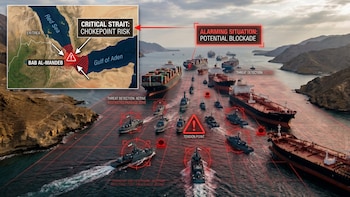
- Iran warned of potential disruptions at both Strait of Hormuz and Bab el-Mandeb
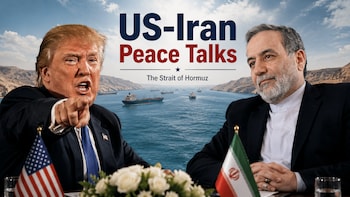
Global oil markets surged on Monday after Iran reportedly suspended indirect diplomatic communications with the United States and renewed warnings over the Strait of Hormuz, while also signalling potential disruption risks around the Bab el-Mandeb Strait.
The developments reignited fears of a broader regional escalation and triggered a sharp spike in energy prices, with investors pricing in the possibility of supply disruptions across two of the world's most strategically important shipping lanes.
As of 20:34:47, Brent crude futures for August delivery were trading at $97.54 per barrel, up $6.42, or 7.05%, according to real-time market data. Earlier in the session, crude prices briefly approached the $94-per-barrel mark before extending gains as geopolitical tensions intensified.
ALSO READ: Peace Deal Falters? Iran Says Snapping US Backchannel Talks; Oil Price Jumps 7%
The rally followed reports from Iran's state-affiliated Tasnim News Agency that Tehran has halted all indirect exchanges and message transfers with Washington through intermediaries. According to the report, diplomatic engagement will not resume unless Iran's conditions regarding developments in Lebanon and Gaza are addressed.
The reported breakdown in communications has undermined hopes that a fragile ceasefire arrangement could help contain tensions in the region. Instead, markets are increasingly focused on the risk of further escalation involving key maritime trade routes.
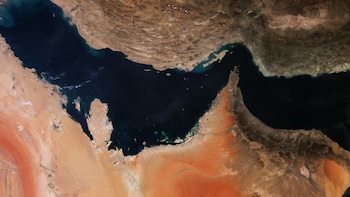
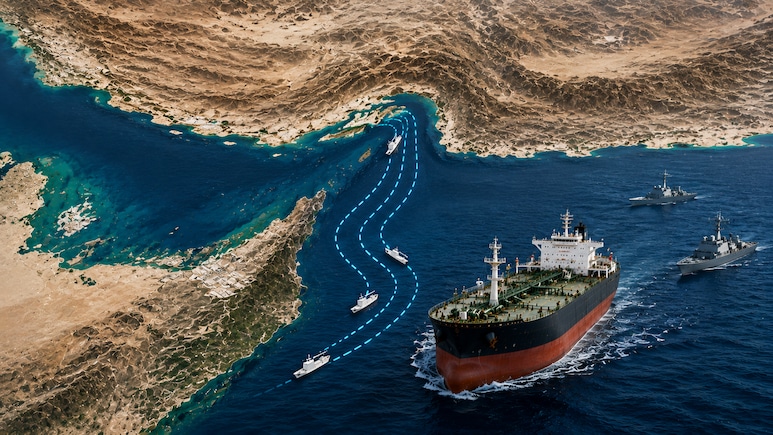
Beyond the Strait of Hormuz, through which a significant portion of the world's seaborne crude oil exports pass, Iran has also broadened its warnings to include the Bab el-Mandeb Strait, a critical gateway connecting the Red Sea to the Gulf of Aden and the Indian Ocean.
According to Tasnim, Tehran's latest moves form part of what it describes as a coordinated response by Iran and the "Resistance Front" to ongoing Israeli military operations in Lebanon and Gaza. Iranian officials have argued that those actions amount to violations of a broader ceasefire framework.
ALSO READ: Iran Determined To Fully Shut Hormuz, Activate Bab Al-Mandeb Front To Punish Israel, Tasnim Reports
The latest escalation has prompted traders to reassess geopolitical risks after weeks of relative stability. Energy analysts note that any prolonged disruption involving Hormuz or Bab el-Mandeb could significantly tighten global oil supplies and add further inflationary pressures to the global economy.
Essential Business Intelligence, Continuous LIVE TV, Sharp Market Insights, Practical Personal Finance Advice and Latest Stories — On NDTV Profit.