The Federal Reserve raised its benchmark policy rate by 25 basis points to 3.75%-4%, while the NSE IPO saw its subscription gather pace on Day 2.
Personal Finance
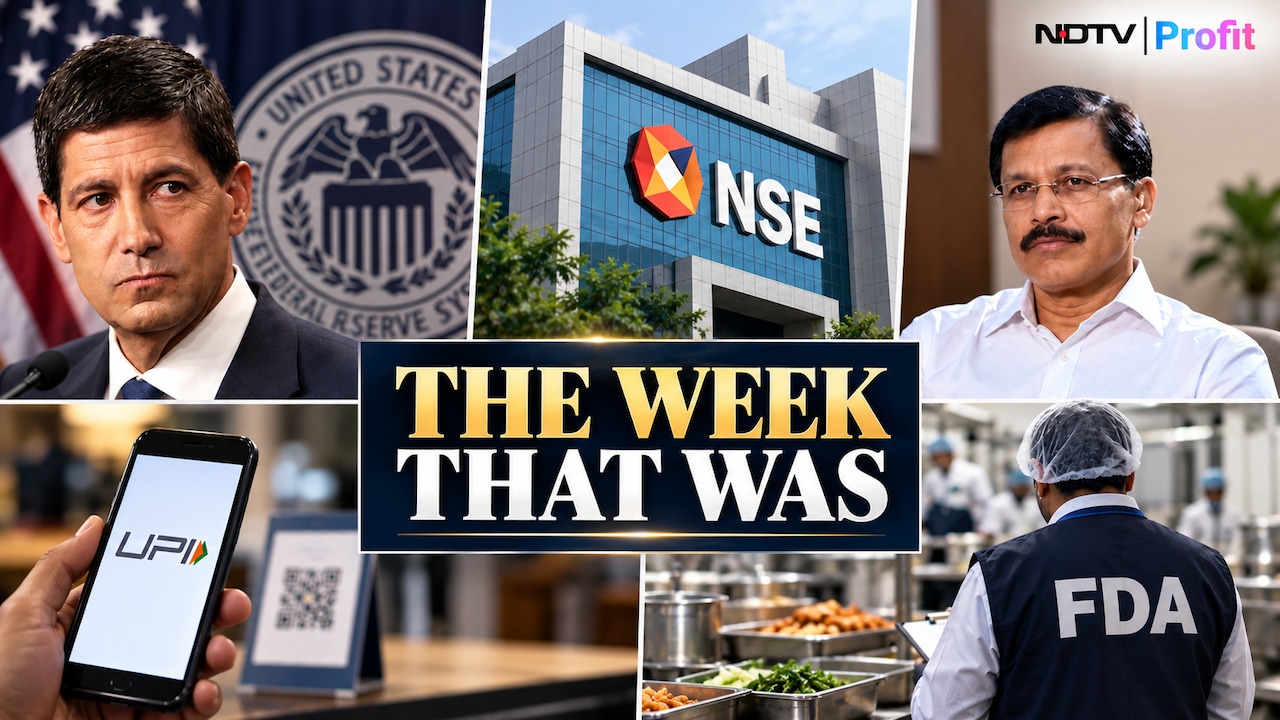 Tata Sons Boardroom Battle, NSE IPO, Fed Rate Hike, UPI Charges And FDA Crackdown — The Week That Was
- Start With Rs 10,000, Build Rs 11 Crore: How A SIP Step-Up Can Supercharge Your Corpus
A Rs 10,000 monthly SIP with a 10% annual step-up can grow to around Rs 11.71 crore over 32 years at an assumed 12% annual return.
 8th Pay Commission: Rs 18,000 Basic To Rs 72,000? Here's What 4.0 Fitment Factor Means For Your Salary
A monthly minimum basic pension of Rs 9,000 could increase to Rs 34,470 with a 3.83 fitment factor, while a 4.0 multiplier would take it to Rs 36,000.
 EPFO Form 10C: What Is It, Who Can Apply And How To Claim Pension Benefits Online?
For those leaving employment or moving to a new job, knowing when and how to use Form 10C can be important for accessing pension-related benefits or obtaining a scheme certificate.
 EPFO Wage Ceiling Raised: Could Your Rs 7 Lakh Insurance Cover Rise To Rs 10.5 Lakh?
The decision is expected to bring more than 51 lakh additional employees within the ambit of mandatory EPFO coverage, significantly expanding access to provident fund savings and pension protection under the Employees’ Pension Scheme (EPS).
 Close To 70% Of Urban Indians Wish To Retire Before Age 58-60 If Financial Needs Are Met: Study
As many as 39% of Indians believe their retirement corpus would not last even five years.
 Rs 1 Crore Corpus At 40: How Much Could It Become By 50 Without Another SIP?
A Rs 1 crore corpus left invested at 12% annualised returns could grow to around Rs 3.11 crore in 10 years, without any further SIP contributions.
 Personal Loan Interest Rates September 2026: Axis Bank, HDFC Bank, ICICI Bank And Others — Check Rates, EMIs
Personal loan interest rates in September 2026 start at 8.75%, with major banks offering rates from 9.99%, while processing fees and borrower eligibility vary.
 Paying For Insurance, Mutual Fund SIPs, Or OTTs Via UPI? Here's What Changes From Oct 15
UPI AutoPay payments for mutual fund SIPs, OTT subscriptions and utility bills will not attract MDR, while select one-time P2M transactions above Rs 2,000 will.
 EPF Scheme 2026: What Happens To Your Retirement Corpus If PF Contributions Are Reduced?
EPF contributions may be reduced or deferred for up to three months during a qualifying crisis, offering cash-flow relief but potentially lowering employees' retirement corpus.
 EPF Scheme 2026: Govt Can Reduce Your PF Contribution During A Crisis — What It Means
Under the EPF Scheme, 2026, the government can temporarily reduce or defer contributions for up to three months during a pandemic, endemic or national disaster.
 Rs 10 Lakh In EPF At 35: How Much Could It Become By 50 Without Fresh Contributions?
A provident fund corpus could still grow even if no fresh contributions are made.