The relief comes as the United Forum of Bank Unions, representing roughly 90% of the banking workforce, prepares to strike for three days from September 28 over a long-pending demand for a five-day banking week.
Banking
 ATM Charges Waived During Bank Strike: What SBI, PNB And Other Public Sector Bank Customers Get
 Why Are Banks Opening On A Sunday? The Reason Behind The Three-Day Strike
Without the Sunday opening, customers would have faced a weekend immediately followed by three days of strike action, stretching the disruption to five consecutive days.
 Bank Holiday On September 26: Are SBI, HDFC Bank And ICICI Branches Open Or Closed Today?
Bank branches will remain closed on September 26 for the fourth Saturday. PSBs and RRBs are scheduled to operate on September 27, ahead of the proposed nationwide bank strike from September 28 to 30.
 RBI Bulletin: Credit-Deposit Ratio Exceeding 80% Does Not Indicate Funding Vulnerability
Growth in bank credit has majorly outpaced that of aggregate deposits, pushing the credit-deposit (CD) ratio above 80% since FY23.
 Three-Day Bank Strike: Will Branches Stay Open On Sunday, And What Happens To Your Month-End Salary?
The month-end salary question is more complicated. Central government employees and pensioners were to receive September salaries and pensions on September 25, ahead of the strike.
 SBI Branches To Remain Open On Sunday In View Of 3-Day Bank Strike
The directive was issued after the United Forum of Bank Unions (UFBU) called a weekday strike following an inconclusive meeting with the Deputy Chief Labour Commissioner.
 HDFC Bank To Issue ESOP Of 19 Lakh Shares To 'Employees' — Key Details Inside
The bank's board will meet on October 17 to consider and approve the standalone and consolidated financial results for the quarter and half-year ended September 30, 2026.
 Credit Card Spending Stays Muted In August; HSBC, Jefferies Flag Rising Competition
Smaller issuers such as Bank of Baroda, Federal Bank, IDFC First Bank and AU Small Finance Bank continued to gain market share, while larger issuers lost ground.
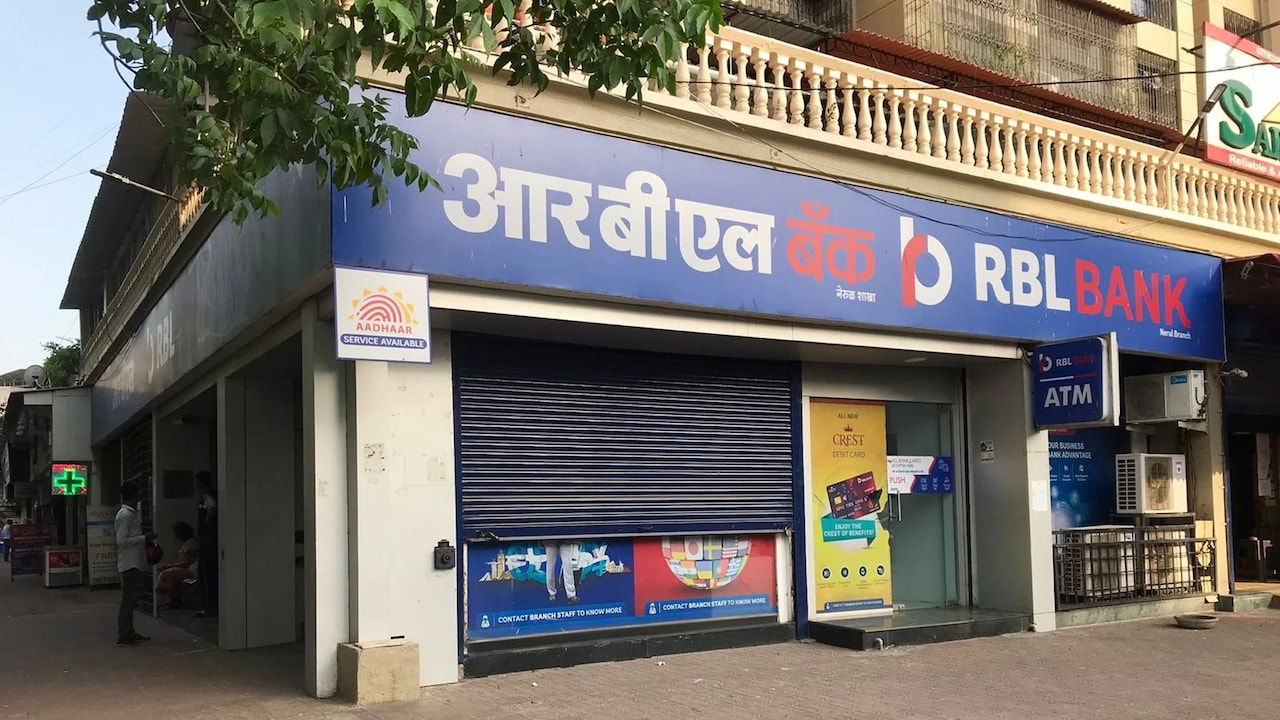 Bank Holiday: Are Banks Open Or Closed On September 25 For Anant Chaturthi? Check here
Anant Chaturthi is being observed on September 25, but banks will remain open across most of India. Banks in Gangtok will remain closed due to the Indrajatra Festival.
 Govt To Ask IBA To Ensure 0.4% MDR On UPI Is Not Passed On To Consumers: Sources
The government is expected to ask Indian Banks' Association to devise a mechanism to ensure that merchant discount rate charge of 0.4% is not passed on to consumers, according to official sources.
 Bank Stocks In Red: AU Small Finance Bank, IndusInd Bank, IDFC First Fall Up To 5% — Here's Why
The proposed changes could reduce the fee pool banks earn from distributing insurance products, particularly credit-protection and other loan-linked policies that typically carry relatively high commissions.
 Central Govt Employees To Get Salary In Advance On Sept 25 — Here's Why
The Finance Ministry has advised all departments and ministries to disburse September's salary in advance on September 25 in view of a three-day bank strike called by the United Forum of Bank Unions (UFBU).