A Rs 25,000 monthly SIP can grow into a larger long-term corpus when contributions rise annually, with a 10% step-up helping investors put more money to work.
Mutual Funds
 Rs 25,000 Monthly Investment: What If You Increase It Only Once A Year?
 Rs 10,000 A Month Into Crypto Vs Rs 10,000 Into Mutual Funds: What Changes Over Five Years?
Assuming an annualised return of 12% for a mutual fund SIP, the Rs 10,000 monthly investment over five years would grow to around Rs 8.17 lakh.
 Rs 10,000 SIP vs Rs 10,000 Stock Investment: What Could Your Money Look Like After 20 Years
If you already have a strong SIP portfolio, direct stock investments may be beneficial.
 Rs 1 Crore From SIP? Why The Number On Your Calculator May Not Be Your Final Corpus - Here's The Math
An SIP calculator can offer a useful snapshot of how regular investing and the power of compounding may build wealth over the years.
- Rs 10 Lakh Corpus At 30 Vs Rs 10 Lakh At 40: How Much Does A Decade Really Cost?
With a hypothetical 12% annual return, Rs 10 lakh invested at 30 could grow to about Rs 3 crore by 60, compared with Rs 96.46 lakh at 40.
 Rs 1 Crore Corpus At 40: How Much Could It Become By 50 Without Another SIP?
A Rs 1 crore corpus left invested at 12% annualised returns could grow to around Rs 3.11 crore in 10 years, without any further SIP contributions.
 August Mutual Fund Data: Active Equity Inflows Rise 18% To Rs 29,328 Crore; SIPs At Record High
SIP contribution for August stood at a record high of Rs 32,297 crore, a rise from Rs 31,961 crore in July.
 Rs 5 Lakh Corpus To Rs 1 Crore: How Much Of The Journey Comes From Your Money And Compounding?
Going from Rs 5 lakh to Rs 1 crore depends on disciplined saving, regular investments and compounding, with investment returns playing a bigger role as the corpus grows.
 Have Rs 10 Lakh In Your EPF? Should You Withdraw It Or Let It Compound For Retirement?
For a retirement-focused saver, allowing the money to stay invested for as long as possible can make a compelling case for retaining the corpus.
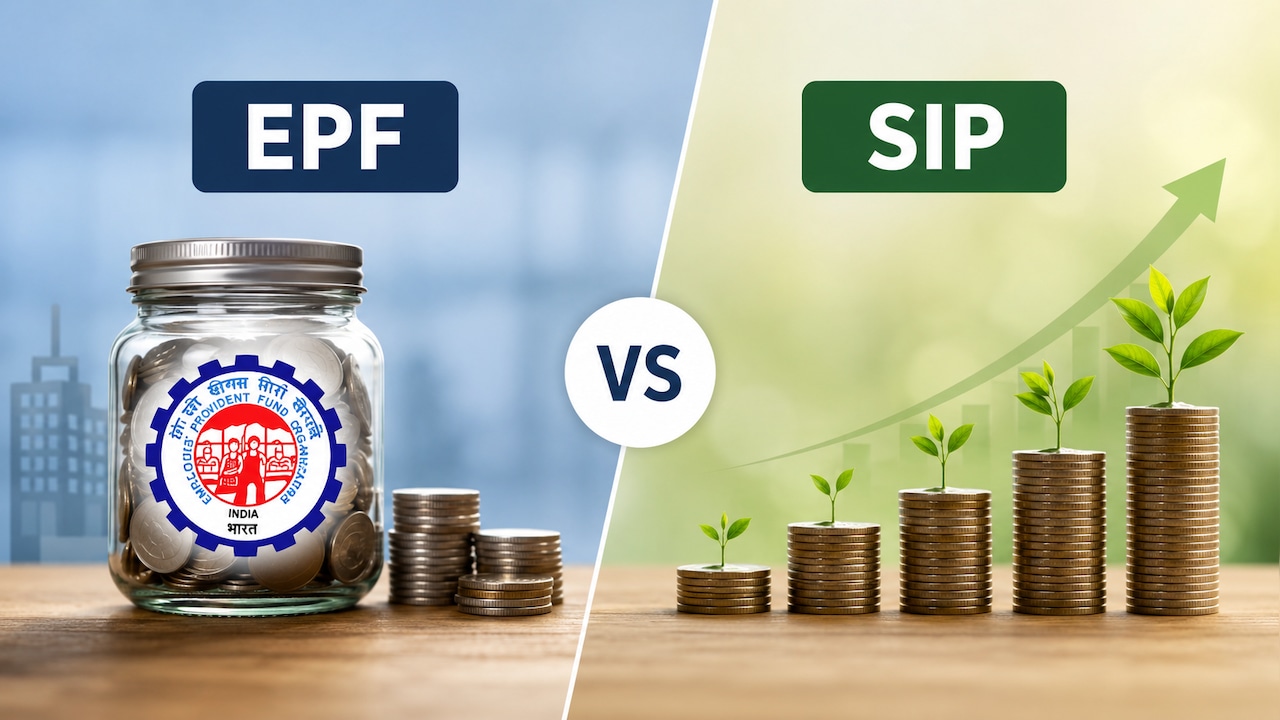 EPF Vs SIP: Where Should You Put Your Next Rs 10,000 For Long-Term Wealth?
EPF offers stability and predictable returns, while SIPs provide greater growth potential with market-linked returns.
 Rs 25 Lakh In Your Bank Account? SIP, Lumpsum, FD Or Debt Fund: What Should You Pick?
Leaving a large sum idle may mean missing out on potential returns, while investing the entire amount in the wrong asset at the wrong time can expose you to unnecessary risk.
 Rs 10 Lakh Lumpsum Vs Rs 25,000 SIP: Which Can Build A Bigger Corpus In 20 Years?
The bigger distinction lies in the amount invested over time. By the end of 20 years, the SIP investor would have put in Rs 60 lakh, six times the Rs 10 lakh invested through the lump-sum approach.