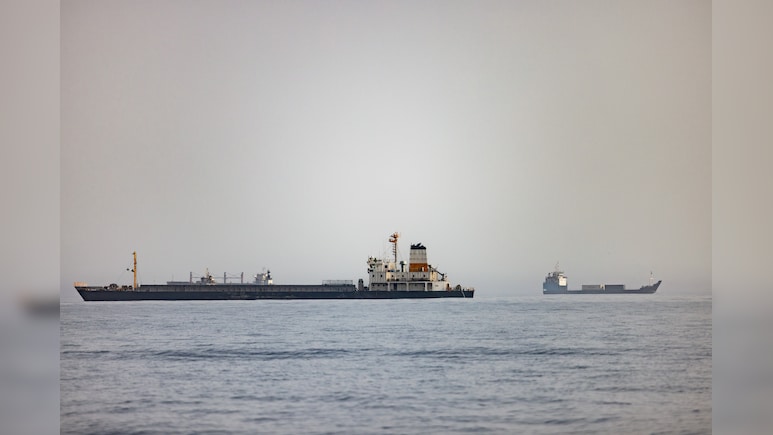
| A handful of vessels appeared to transit through the Strait of Hormuz in the early hours of Wednesday, even after a spate of strikes on tankers left shipowners struggling to assess the risk of operating in the vital waterway. Three ships came under attack on Tuesday, including a Qatar gas carrier and a Saudi oil tanker - the largest number of incidents since a US-Iran peace deal came into effect last month. Naval forces in the region have raised the threat level to severe from substantial. The strikes have reduced transit numbers, compared to a spike after the June agreement. Even so, visible oil transits continued, dominated by laden supertankers. Six were beginning or completing Hormuz crossings, mostly sailing along a US-supported corridor nearer to the Omani coastline, according to ship-tracking data. Liquefied natural gas traffic, by contrast, largely halted after the Qatar tanker attack. About a fifth of global LNG supply goes through Hormuz, and the disruption in the strait has pushed European gas prices up 10% over last two days. Also Read | Layoffs Are Rising In Tech, But These Skills Are Helping People Unlock Better Pay ALSO READ: Bahrain And Kuwait Hit By Electricity Outages Amid Regional Tensions Tuesday's attacks sparked retaliation from the US, with fresh airstrikes on Iranian targets, threatening the fragile peace deal. Washington also put an end to a waiver that temporarily allowed the sale of Iranian energy, according to the Treasury. Tehran's and Washington's moves have left shipowners again reviewing their plans to sail through Hormuz - and which route to take. "Going forward, future tanker movements will increasingly reflect the prevailing security environment rather than legacy cargo commitments," maritime risk company Marisks said Wednesday in a note to clients. 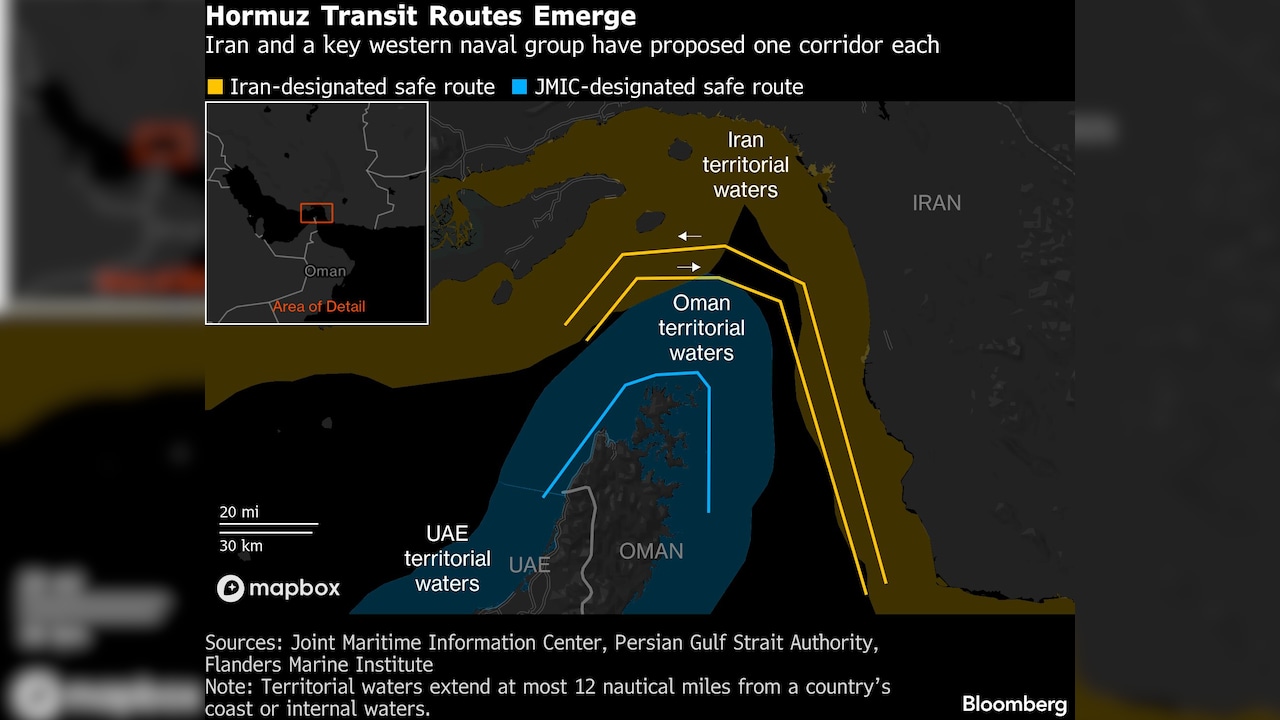 The corridor that hugs the Omani coast is supported by the US military, but has increasingly come under attack by Iran as it continues to assert its dominance of the waterway. The other option is a path that goes closer to the middle of the strait, a route which Tehran says it controls, but safe passage requires seeking the country's approval. That exposes those who use it to compliance and secondary sanctions risks. Read More: Hormuz Sees Biggest Day of Attacks Since US-Iran Peace Deal Three laden supertankers exited the Persian Gulf and are now off Fujairah in the United Arab Emirates. They had pushed through Hormuz with part of their journeys done in the dark, with transponders switched off. Behind them, two very large crude carriers - one India-flagged and one China-bound - are approaching the strait on the Omani coast, laden with Kuwaiti, Qatari and Emirati crude. ALSO READ: 'Era Of Bullying, Extortion Is Over': Iran's MB Ghalibaf Warns US After It Hits 80 Targets In contrast, the Iranian side was relatively quiet on Wednesday, with no notable outbound transits. Two Iran-flagged crude tankers sailed into the Persian Gulf along Tehran-backed route, with a bulk carrier claiming Chinese ownership behind them. |
(This story has not been edited by NDTV staff and is auto-generated from a syndicated feed.)
Essential Business Intelligence, Sharp Market Insights, Practical Personal Finance Advice, Daily Fuel, Gold and Silver Prices and Latest Stories — On NDTV Profit.