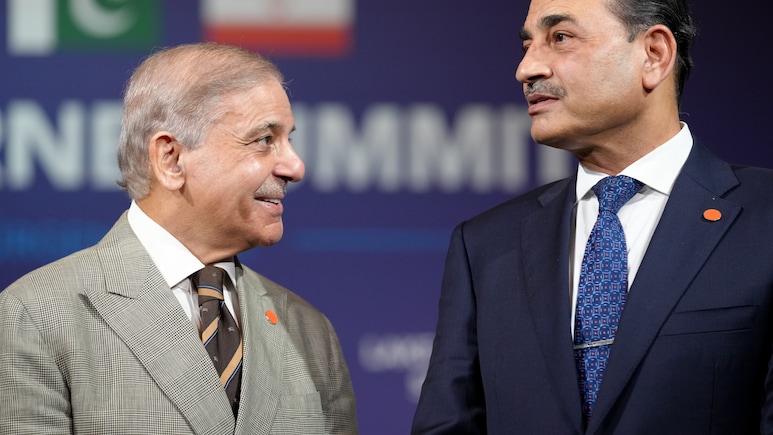
Pakistan has quietly begun mediating between Libya's rival eastern and western factions, in a previously unreported effort that could raise Islamabad's diplomatic profile if it succeeds, reported Reuters.
The involvement comes months after Pakistan signed a defence agreement worth over $4 billion with the eastern-based Libyan National Army in December 2025, covering 16 JF-17 fighter jets co-developed with China, 12 Super Mushshak trainer aircraft, and provisions for training and potential joint manufacturing.
ALSO READ | UAE Travel Rush Returns As War Jitters Fade, Sharjah Airport To Handle 3 Million Summer Visitors
Also Read | Layoffs Are Rising In Tech, But These Skills Are Helping People Unlock Better Pay
Citing two Pakistani sources, the report added that the United States is "fully aware and involved" in Pakistan's role, while Saudi Arabia is also said to be backing the effort, alongside encouragement from Qatar and Turkiye, key supporters of Libya's western administration.
From Iran Mediation To A Libya Reunification Plan
The Libya push follows Pakistan's reported role earlier this year in mediating the Islamabad memorandum of understanding that ended the war between the US and Iran, an effort that has drawn repeated praise from the Trump administration.
Reuters reported a summary of a proposed "Libya Reunification Plan," which outlines a 36-month transitional power-sharing arrangement under a new Government of National Consensus and Presidential Council.
Under the proposal, Abdulhamid Dbeibah, prime minister of the UN-recognised western Government of National Unity, would continue in his role during the transition, while Saddam Haftar, deputy commander of the eastern Libyan National Army, would chair the Presidential Council.
His father, Khalifa Haftar, whose forces control several of Libya's largest oilfields, would oversee the national budget.
ALSO READ | Blasts In Damascus Near Macron's Hotel Cast Shadow Over French President's Historic Syria Visit
Pakistan's army chief, Field Marshal Asim Munir, met Saddam Haftar in Rawalpindi last month, days before Haftar travelled to Washington for a meeting with US Secretary of State Marco Rubio.
Analysts noted that while Pakistan remains a secondary player in Libya compared with the US, the UAE, Turkiye and Egypt, it has maintained working ties with both rival camps, an advantage some other regional powers lack.
Tarek Megerisi, director at the geopolitical advisory firm Informmi, cautioned that no agreement is guaranteed to hold, pointing to past deals that unravelled despite initial momentum.
Essential Business Intelligence, Sharp Market Insights, Practical Personal Finance Advice, Daily Fuel, Gold and Silver Prices and Latest Stories — On NDTV Profit.