Women's cricket has entered a new era, driven by the Women's Premier League (WPL), record-breaking ICC tournaments and growing commercial investment in the sport. While much of the spotlight has been on the action on the field, an equally significant transformation is taking place behind the scenes, with women increasingly shaping cricket through governance, franchise ownership, administration and broadcasting.
Capturing that influence, cricket business platform Cricexec recently published the inaugural Women's Power 50, an editorial ranking of the 50 most influential women in the business and governance of cricket.
The list, released earlier this month, is topped by Nita Ambani, owner of Mumbai Indians and a member of the International Olympic Committee. Four Indians feature among the top five, underlining India's growing influence in shaping the global cricket ecosystem beyond the boundary ropes.
Also Read | Layoffs Are Rising In Tech, But These Skills Are Helping People Unlock Better Pay
Others featured on the list include Clare Connor, Deputy CEO and Managing Director of England Women, former Australia cricketer and World Cricketers' Association president Lisa Sthalekar, and BBC commentator Alison Mitchell.
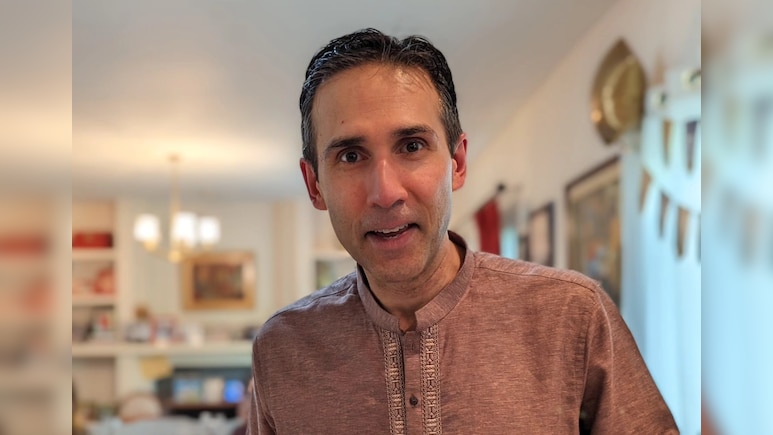
To understand the methodology behind the rankings and the changing landscape of women's leadership in cricket, NDTV Profit spoke with Zee Zaidi, founder of Cricexec and the architect of the Women's Power 50.
Excerpts of the interview are below:
Q. What inspired Cricexec to launch the Women's Power 50?
Zee Zaidi: At Cricexec, we cover the business of cricket. While women's cricket has grown tremendously on the field, we've also seen significant progress off it. We felt it was the right time to celebrate the women driving that change.
The Women's Power 50 isn't just about women's cricket. It recognises women influencing cricket as a whole - through governance, franchise ownership, administration, broadcasting and commercial leadership. Some names, like Nita Ambani or Kavya Maran, are well known, but many others are making an enormous impact behind the scenes without receiving the recognition they deserve.
Q. Will the Women's Power 50 become an annual initiative?
Zee Zaidi: Absolutely. This is our inaugural list and we intend to publish it every year. As women's cricket continues to grow, we expect more women to move into influential leadership positions across the sport. Some names will remain, while many new leaders will emerge, making it a relevant and evolving annual benchmark.
Q. Cricket already has several awards and rankings. What gap does the Women's Power 50 fill?
Zee Zaidi: This isn't an awards programme where people vote or receive trophies. It's an editorial ranking that identifies the women having the greatest influence on the business of cricket.
We wanted it to become a credible reference point for anyone looking to understand who is shaping cricket's future. Beyond recognition, the list also serves a larger purpose. Women remain underrepresented in senior leadership roles, and one way to overcome unconscious bias is to make existing leaders more visible. As we say, visibility leads to normalisation.
Q. The list includes administrators, franchise owners, broadcasters and former cricketers. How did you compare such diverse profiles?
Zee Zaidi: First, there are no active players on the list because it's strictly about off-field influence.
We identified every woman globally holding a meaningful leadership role in cricket and assessed each candidate using three criteria — impact, reach and influence. While there is inevitably some subjectivity, applying the same framework across every category allowed us to make meaningful comparisons.
For broadcasters and former players, we also looked beyond television appearances. Someone like Mithali Raj, for instance, contributes through ICC committees and cricket administration, making an impact beyond broadcasting.
Q. What were the biggest trends that emerged from your research?
Zee Zaidi: One of the biggest trends is that more women are now occupying genuine decision-making positions.
Take Kavya Maran — she isn't simply a franchise owner. She's actively involved in cricket operations and decision-making. Rachel Haynes oversees both the men's and women's teams at the Sydney Sixers.
We're also seeing women take cricket-specific roles, such as coaching men's teams. Sarah Taylor's appointment with England men's cricket and Alex Hartley's coaching role in the Pakistan Super League are examples of that progress.
Another encouraging trend is the increasing number of women leading marketing and commercial strategy as cricket works to expand the women's game and connect with new audiences.
Q. India has the highest representation on the list. What does that say about the global cricket landscape?
Zee Zaidi: India is clearly the commercial epicentre of world cricket today, so it isn't surprising that it has the strongest representation. Australia and England also feature prominently.
Beyond those three countries, we're seeing encouraging progress in places like New Zealand, South Africa and Pakistan, but the concentration of influence still lies in India, Australia and England. Associate nations have begun making progress, but they have some catching up to do.
Q. Based on your research, where does women's cricket need the most investment?
Zee Zaidi: Without question, I would invest more heavily at the grassroots level.
Every former player I spoke to shared a similar story — they were often the only girl playing cricket and had to fight for opportunities. If we invest in facilities, coaching and financial support for girls at an early age, we'll create a much larger player base and, eventually, a much larger fan base.
The impact won't be immediate, but it will transform the sport over time.
ALSO READ | From Basketball Royalty To NCAA Trailblazer: Krishna Jayasankar's Rise In Shot Put
Essential Business Intelligence, Sharp Market Insights, Practical Personal Finance Advice, Daily Fuel, Gold and Silver Prices and Latest Stories — On NDTV Profit.