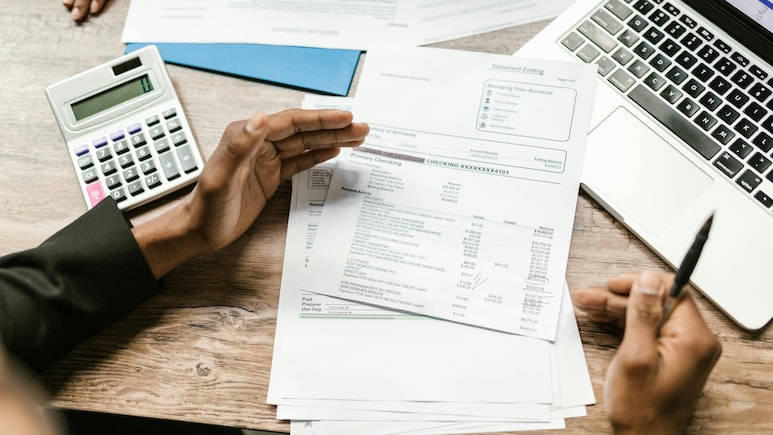
Many taxpayers believe that filing their Income Tax Return (ITR) on time is enough to stay compliant. In reality, the Income Tax Department today has access to a wide range of financial transactions that allows it to track significant transactions across bank accounts, investments, credit cards and property purchases.
Through tools such as the Annual Information Statement (AIS), Form 26AS and the Statement of Financial Transactions (SFT), the department receives information from banks, registrars and other financial institutions. If spending patterns or transactions do not match the income declared, they can trigger scrutiny or queries from the tax authorities.
How The Tax Department Tracks High-Value Transactions
Also Read | Layoffs Are Rising In Tech, But These Skills Are Helping People Unlock Better Pay
Under Section 285BA of the Income-tax Act, specified entities are required to report certain financial transactions to the Income Tax Department. These details are reflected in Form 61A, Form 26AS and the Annual Information Statement.
The department uses this information to compare a taxpayer's declared income with their actual financial activity. Significant mismatches between income and spending patterns may lead to further verification.
ALSO READ: Job Switch And ITR Filing: Top Tax Issues That Frequently Catch Employees Off Guard
High-Value Transactions That Can Draw Attention
Large Cash Deposits
Cash deposits of Rs 10 lakh or more in one or more accounts (other than a current account and time deposit) during a financial year are reportable by banks. Such deposits may prompt authorities to seek clarification regarding the source of funds, particularly if they appear inconsistent with the taxpayer's declared income.
High-Value Credit Card Payments
Credit card payments above specified thresholds are reported to the Income Tax Department. This includes cash payments of Rs 1 lakh or more in a financial year towards one or more credit cards, as well as payments of Rs 10 lakh or more through non-cash modes. If spending levels appear significantly higher than reported income, it could raise questions about the source of funds.
Property Transactions
The purchase or sale of property valued at Rs 30 lakh or more must be reported under the SFT framework. Real estate transactions are closely monitored because authorities often compare property values with the income disclosed by taxpayers.
Foreign Exchange And Overseas Spending
Foreign exchange transactions and overseas spending above prescribed limits are also reported to the Income Tax Department. This includes the purchase of foreign currency, including credit of such currency to a foreign exchange card aggregating to Rs 10 lakh or more in a financial year.
Spending in foreign currency through debit cards, credit cards, travellers' cheques, drafts or other instruments is also reportable if the aggregate amount crosses Rs 10 lakh in a financial year.
Such transactions may attract attention if they appear inconsistent with the income declared by the taxpayer. Keeping records of travel expenses, remittances, education payments or other overseas expenditures can help explain the source and purpose of the transactions if required.
Interest, Dividend And Capital Gain Income
Interest earned on savings accounts, fixed deposits and other investments is reported by financial institutions and reflected in AIS. Failure to disclose such income while filing returns can result in discrepancies that may attract scrutiny.
Multiple Bank Accounts
Maintaining several bank accounts is not an issue in itself. However, taxpayers should ensure that interest earned across all accounts is properly reported in their tax returns. Since all accounts are linked to PAN, the department can consolidate the information and compare it with declared income.
ALSO READ: Income Tax Return: Common ITR Filing Mistakes That Can Trigger An Income Tax Notice
What Taxpayers Should Do
The presence of a high-value transaction does not automatically mean wrongdoing. In most cases, maintaining proper records and ensuring consistency between income declarations and financial activity is enough.
Before filing returns, taxpayers should review their AIS and Form 26AS, verify all reported transactions and ensure that income from every source is accurately disclosed. Keeping supporting documents such as bank statements, sale deeds, gift deeds, loan records and investment proofs can also help if any clarification is sought by the tax department.
Essential Business Intelligence, Sharp Market Insights, Practical Personal Finance Advice, Daily Fuel, Gold and Silver Prices and Latest Stories — On NDTV Profit.