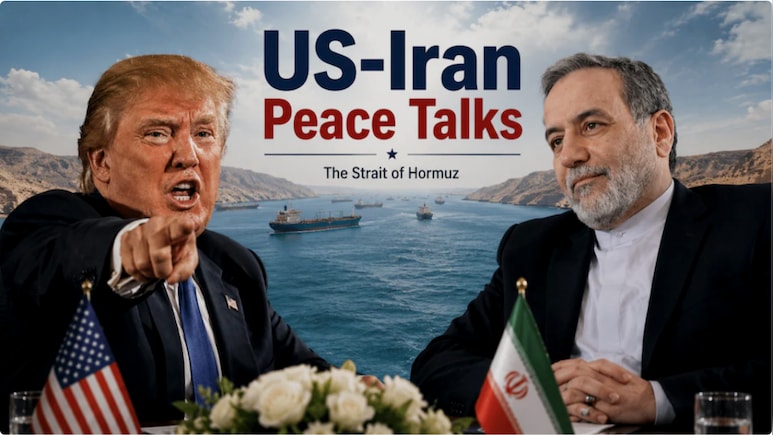
Diplomatic activity around the Iran-US standoff picked up sharply on Thursday, with Tehran preparing a formal response to the latest text sent by Washington — and Pakistan Army Chief Field Marshal Asim Munir flying into Tehran to help close the remaining gaps.
Iran's state media, cited by Iran International, reported that the US text had already "narrowed some gaps" in the negotiations.
ALSO READ | UAE Says Pipeline That Will Bypass Hormuz Now Half-Completed Amid Oil Crisis
Also Read | Layoffs Are Rising In Tech, But These Skills Are Helping People Unlock Better Pay
Munir's visit, according to Iran's ISNA news agency, was aimed at continuing "talks and consultations" with Iranian authorities and pushing talks to a point where a memorandum of understanding could be formally accepted.
Pakistan has emerged as the primary back-channel mediator between the two sides since the conflict began.
Earlier, Trump told reporters the two sides were in the "final stages," adding: "Either have a deal or we're going to do some things that are a little bit nasty, but hopefully that won't happen." Asked how long he would wait, he said: "It could be a few days, but it could go very quickly."
Iran is preparing a response to a text sent by the United States, with discussions underway in Tehran, the country's state media reported.
— Iran International English (@IranIntl_En) May 21, 2026
The text sent by Washington has narrowed some gaps, it said, adding that Pakistan army chief Asim Munir's visit to Tehran was aimed at…
Iran has been sending mixed signals. President Pezeshkian has maintained that all diplomatic paths remain open, while the IRGC has simultaneously warned that any renewed strikes would trigger retaliation beyond the Middle East.
Tehran has also restarted some drone production during the ceasefire, a sign it is rapidly rebuilding military capabilities damaged by the US-Israeli strikes, CNN reported citing US intelligence assessments.
ALSO READ | 'Forcing Iran To Surrender Is Illusion': Tehran Says All Paths Remain Open As Trump Pushes For Peace Deal
The war began on February 28 when the US and Israel launched massive airstrikes on Iran. Tehran retaliated by blockading the Strait of Hormuz, triggering the worst energy supply crisis in history. Six weeks into a fragile ceasefire, talks have made little progress while soaring oil prices continue to pressure the global economy.
Thursday's diplomatic flurry offered tangible signal that a deal, while far from certain, remains on the table.
Essential Business Intelligence, Sharp Market Insights, Practical Personal Finance Advice, Daily Fuel, Gold and Silver Prices and Latest Stories — On NDTV Profit.