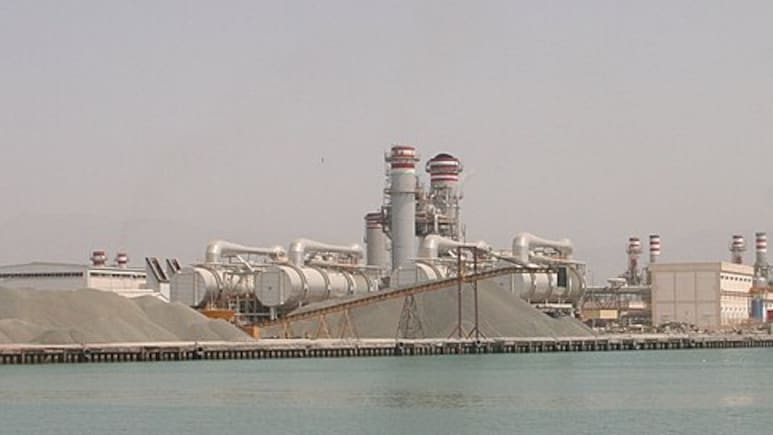
Attacks on desalination plants have emerged as a major risk for Gulf nations, where millions depend on seawater converted into drinking water amid scarce natural freshwater resources.
Also Read | Layoffs Are Rising In Tech, But These Skills Are Helping People Unlock Better Pay
According to Al-Jazeera, the concern has come into focus after Kuwait accused Iran of targeting a power and water desalination plant for the second time on Saturday, days after a similar strike damaged critical infrastructure. Iran has not commented on Kuwait's allegation.
The Associated Press reported that Iranian strikes on Friday hit a power and water desalination plant in Kuwait, damaging one of the country's key sources of drinking water. Kuwaiti authorities said several power generation units were damaged and a fire broke out at the facility. The blaze has since been contained and emergency contingency plans have been activated, officials said.
ALSO READ | US Issues Travel Advisory For Americans Amid Iran Conflict; Flight Disruptions Possible
The attack highlights the vulnerability of the Gulf's water infrastructure. Unlike many other regions, Gulf countries have limited freshwater resources because of their arid climate and low rainfall. As groundwater reserves decline, governments have increasingly relied on desalination to meet domestic and industrial water demand.
According to a 2020 report by the Gulf Research Center, groundwater and desalinated water together account for around 90% of the region's primary water resources.
More than 400 desalination plants are located along the Gulf coast, stretching from the United Arab Emirates to Kuwait. A 2023 paper by the Arab Center Washington DC said the six Gulf Cooperation Council (GCC) countries account for nearly 60% of global desalination capacity and produce about 40% of the world's desalinated water.
Kuwait is among the world's most desalination-dependent countries, with around 90% of its drinking water sourced from desalination plants. The figure stands at about 86% in Oman, 70% in Saudi Arabia and 42% in the UAE. Saudi Arabia is the world's largest producer of desalinated water.
Iran also operates desalination plants in coastal areas, including Qeshm Island, but is less dependent on them because it has access to rivers, reservoirs and dams.
ALSO READ | US Renews Strikes Against Iran After Two Military Personnel Killed In Jordan Attack
Desalination plants typically use reverse osmosis technology, which removes salt from seawater by forcing it through ultrafine membranes to produce potable water. Because many of these facilities are concentrated along the Gulf coastline, they remain exposed to potential missile and drone attacks.
The latest strikes have also fuelled concerns among residents in Kuwait.
While the conflict has largely been watched for its impact on global oil markets and shipping through the Strait of Hormuz, the attacks have also exposed the Gulf's dependence on desalination infrastructure, raising concerns over water security in one of the world's driest regions.
Essential Business Intelligence, Sharp Market Insights, Practical Personal Finance Advice, Daily Fuel, Gold and Silver Prices and Latest Stories — On NDTV Profit.