- Demand for EVs surges in Asia due to rising oil prices from the Iran conflict
- BYD and VinFast see sharp sales growth amid higher fuel costs and consumer interest
- Asian EV adoption rates exceed UK and Europe, driven by government incentives
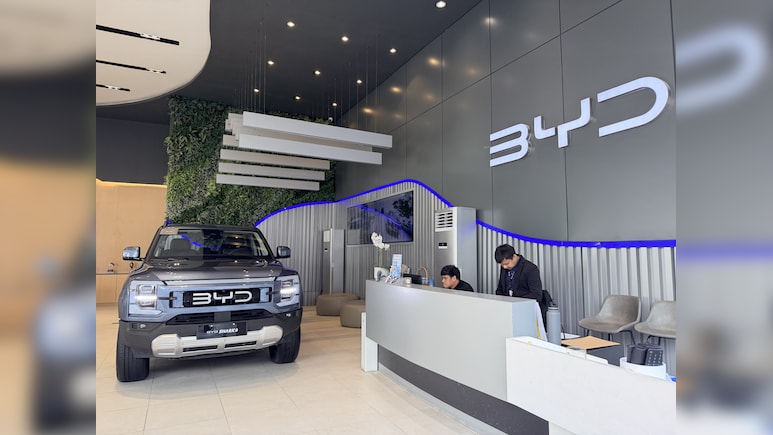
At a BYD Co. car dealership in Manila's financial district, demand for the Chinese company's electric vehicles is so high that Matthew Dominique Poh said he's seen a month's worth of orders in just the past two weeks.
“Clients are replacing units in favor of EVs because of the oil price hikes,” said Poh, who's been a salesman at the dealership for the past seven months.
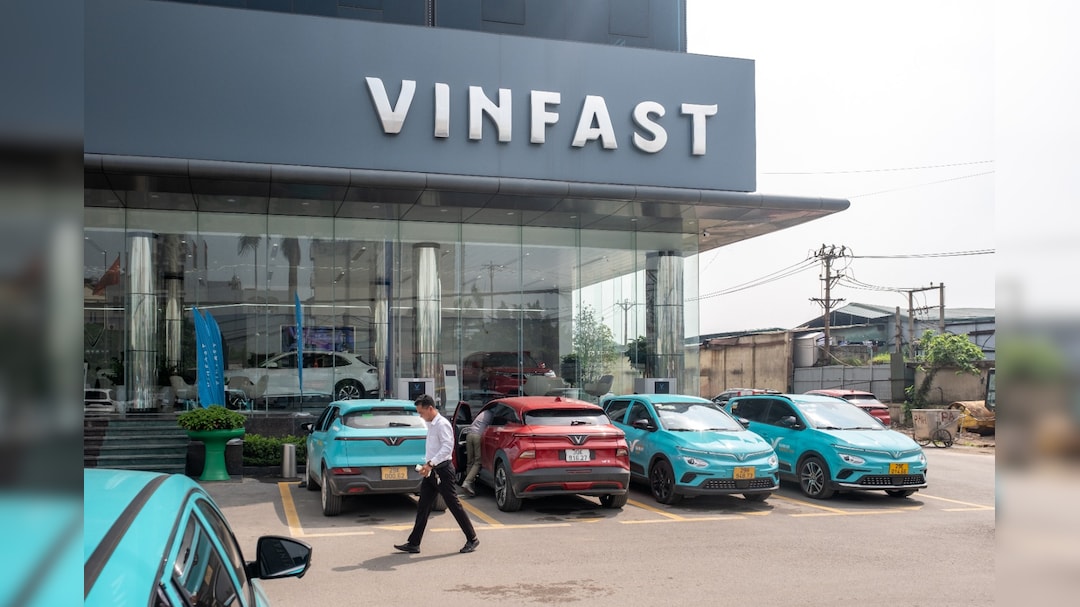
About 1,100 miles (1,770 km) away in Hanoi, Nguyen Hoang Tu Anh said his VinFast showrooms had to hire more sales staff after customer visits quadrupled, resulting in the sale of 250 EVs in the three weeks since the Iran war started. That works out to more than 80 a week, or double the average rate in 2025.
Also Read | Layoffs Are Rising In Tech, But These Skills Are Helping People Unlock Better Pay
“Switching to EV will help us significantly save money,” said Lai The Manh Linh, a 41-year-old employee at a telecom company, who traded a gas-powered Toyota Vios subcompact car for a new, all-electric VinFast 5 compact crossover for his 60-70 kilometers daily commute to work.
Though automakers have yet to report their sales figures for March, the first full month since the Persian Gulf conflict began, early signs point to Asian EV makers such as China's BYD and Vietnam's VinFast benefiting from the resulting surge in crude oil prices.
ALSO READ: Tesla Or BYD? No, Geely Auto And Wuling Motor Are Winners By A Long Shot In China's EV Market
The pinch from higher pump prices is particularly acute in the Pacific region, where about 80% of the crude passing through the Strait of Hormuz typically ended up before that route was effectively shut down by the conflict.
“Higher oil prices always help the transition to electric vehicles,” said Albert Park, chief economist of the Asian Development Bank. “It creates economic incentives to accelerate the green transition.”
Global adoption of EVs helped avoid the consumption of the equivalent of 2.3 million barrels of oil a day last year, according to a modeled scenario from BloombergNEF.
Rising Asian Adoption
But sustaining this spike in consumer interest in EVs will require the industry to make massive infrastructure investments to bridge the current shortfall in charging stations, according to Bloomberg Intelligence analyst Joanna Chen.
“Affordability and charging have always been the two biggest factors hindering EV adoption,” she said, adding that the total cost of ownership may even out as oil prices rise. “Outside of China, the upfront price of EVs are still generally more expensive than gasoline cars.”
Even before the Iran war's oil shock, EV penetration rates had been rising across Asia — with a few notable exceptions such as Japan. In China, EVs and plug-in hybrids account for more than half of all auto sales, thanks to the government's push to promote the growth of a home-grown, alternative-energy-based industry. Southeast Asian countries have EV adoption rates of around 40%, exceeding levels in the UK and Europe, and making them among the most electric-friendly in the world, according to UK-based think tank Ember.
“We were previously less upbeat about EV demand in 2026, as the government's lower subsidy made EV prices less attractive compared with conventional fuel-powered vehicles,” said Surapong Paisitpatnapong, spokesman for the Federation of Thai Industries' automobile industry group. “If oil prices stay at current levels or rise further, we expect a significant increase in EV demand.”
In landlocked Laos, the government is reacting to the surge in oil prices by slashing EV registration and service fees by 30% — and raising them by an equivalent amount for gas-powered cars — as part of emergency measures, according to a statement from the Laotian prime minister's office.
China is set to reap most of the gains from a surge in EV demand as the world's top producer of electric vehicles. Overseas shipments of electric cars and plug-in gas-electric hybrids in the first two months of this year — before the war began — had already more than doubled from a year ago, according to data from the China Association of Automobile Manufacturers.
Non-Chinese brands such as Hyundai Motor Co., Nissan Motor Co. and Tesla Inc. are also well-positioned for an uptick in Asia's EV demand. But many legacy automakers aren't, having been late to market with all-electric models and then quickly rolling back plans. General Motors Co., Honda Motor Co. and Ford Motor Co. are among those that have dialed down their EV ambitions, due in part to a shift in US policy under President Donald Trump that has stripped EVs of subsidies and other government support.
Kiwi Pump Prices
Across the Asia Pacific region, reports of fuel-purchase limits and long queues at gas stations have helped bolster views about EVs. Echoing scenes in Manila and elsewhere, demand for BYD's lineup in New Zealand has also risen sharply. The number of fully electric and hybrid vehicles sold on March 14 was quadruple the usual amount for a Saturday, General Manager Warren Wilmot said on a local radio program.
The price of gasoline in New Zealand has soared 20% since the start of March to hit NZ$3 ($1.75) a liter, just 6 cents shy of levels last seen when prices spiked due to the Russian invasion of Ukraine, according to a report by RadioNZ.
ALSO READ: 'Israel-First' Tax: Iran Taunts US Over War Costs, Warns Americans Of Economic Hit
Meanwhile, in Nakhon Ratchasima province northeast of Bangkok, Jaruaypornphatra Leesomsiri's three showrooms that sell MG vehicles, a brand now owned by China's SAIC Motor Corp., have seen at least a 20% increase in EV sales since the start of the Iran conflict. Jaruaypornphatra said customers are willing to take any EV in inventory and are requesting faster delivery to shield themselves from expensive fuel — notwithstanding government subsidies that partly offset the cost.
“Our main challenge now is securing enough EV supply to meet the growing waiting list,” he said.
Essential Business Intelligence, Sharp Market Insights, Practical Personal Finance Advice, Daily Fuel, Gold and Silver Prices and Latest Stories — On NDTV Profit.