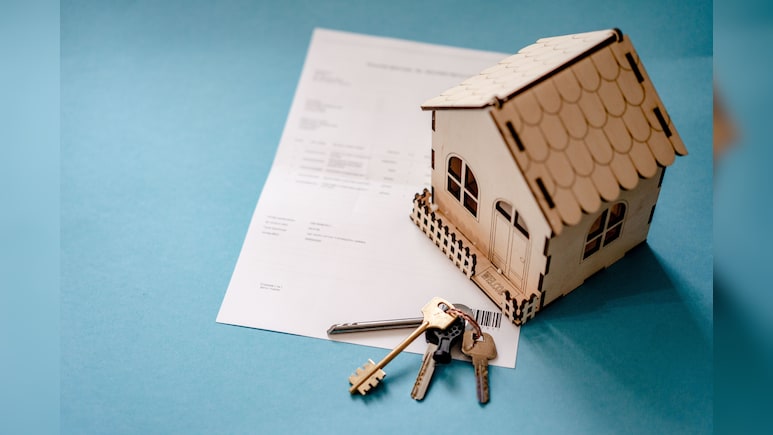
A home loan plays a vital role in helping millions of Indians achieve homeownership. With rising cost of living and increasing property prices, buying a house without financial assistance can be difficult for many families.
Home loans help buyers spread payments over several years while benefiting from tax incentives and competitive interest rates. The financial assistance also comes with other critical aspects.
ALSO READ: How Big A Home Loan Can You Actually Afford On A Rs 1 Lakh A Month Salary?
Also Read | Layoffs Are Rising In Tech, But These Skills Are Helping People Unlock Better Pay
Home loans can be a significant financial commitment spread over many years. During the loan tenure, if a borrower passes away, it can be a challenge for the bank to recover its money. As a result, there are provisions that outline how the outstanding loan will be repaid and who becomes responsible for the debt.
What Happens When A Home Loan Borrower Passes Away?
When a home loan borrower passes away during the loan tenure, lenders first check whether the borrower had purchased a home loan insurance policy, according to lending authorities.
Home loan insurance (or a Home Loan Protection Plan) is a specialised life insurance policy designed to pay off your outstanding housing loan in the event of your untimely demise. If the home loan is covered by an insurance policy, the insurer usually settles the outstanding loan amount, subject to the policy's terms.
In a joint home loan, the co-borrower is generally responsible for continuing the repayment of the outstanding loan amount. If the co-borrower is unable to repay, the lender may approach the guarantor, legal heirs or other family members to take over the repayments.
If a family member agrees to continue paying the loan, the lender typically allows the property to remain with the family. Banks may also provide relief on compassionate grounds by offering additional time, restructuring the loan or granting a temporary moratorium.
ALSO READ: Paying The Minimum Due On Your Credit Card? Here's What's Actually Happening To Your Debt
However, if no one is able to repay the loan despite being given reasonable time, the lender may seize and sell the property to recover the outstanding dues.
Essential Business Intelligence, Sharp Market Insights, Practical Personal Finance Advice, Daily Fuel, Gold and Silver Prices and Latest Stories — On NDTV Profit.