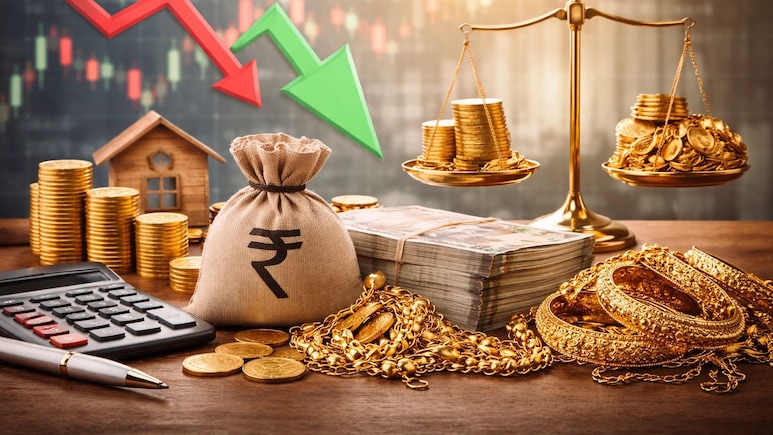
A fall in gold prices can reduce the loan amount borrowers can access against their pledged gold and may trigger margin calls if values drop further during the loan period.
Gold loans, which allow borrowers to pledge jewellery or coins to raise funds, depend on the market value of the pledged asset. When prices decline, the loan-to-value ratio tightens, affecting both eligibility and ongoing loan conditions. The impact becomes more pronounced during periods of price volatility.
Gold has long served as a store of value in India and is often used in times of financial need. Borrowers typically prefer pledging gold rather than selling it due to its financial and inherited value. This preference has driven growth in the gold loan market, which stood at about Rs 4.00 trillion in January 2026, up from Rs 1.75 trillion a year earlier.
Also Read | Layoffs Are Rising In Tech, But These Skills Are Helping People Unlock Better Pay
Recent movements in gold prices have added risk for borrowers. Gold prices have declined by about 13% in Indian rupee terms since the start of the West Asia war as of March 26, 2026. The decline reflects a stronger US dollar, higher 10-year treasury yields and profit booking after earlier gains. Price trends may remain uncertain in the near term due to global factors, including interest rate expectations.
A gold loan is a secured loan backed by physical gold. Only jewellery and gold coins of 22 karat or above qualify for pledging. Gold bars, bullion, gold-plated items and studded jewellery are not accepted. The Reserve Bank of India sets limits of 1 kg for gold jewellery and 50 grams for minted gold coins.
The Reserve Bank of India also prescribes tiered loan-to-value limits. These are 85% for loans up to Rs 2.5 lakh, 80% for loans between Rs 2.5 lakh and Rs 5 lakh, and 75% for loans above Rs 5 lakh. These limits apply throughout the loan tenure and include interest in the outstanding amount.
Interest rates on gold loans range from 8.50% to 9.00% at public sector banks, with higher rates at private banks and non-banking finance companies. The final rate depends on factors such as gold purity, credit score and repayment structure.
When Prices Fall
A decline in gold prices reduces the value of the pledged asset and weakens the loan-to-value ratio. This lowers the loan amount a borrower can access.
If prices fall after the loan is disbursed and the loan exceeds the permitted loan-to-value ratio, lenders can issue a margin call. Borrowers must either repay part of the loan or pledge additional gold to restore the ratio.
Failure to meet these requirements can lead to auction of the pledged gold, especially in cases of non-payment for more than 90 days. If auction proceeds fall short of the outstanding amount, lenders can pursue recovery of the balance. If proceeds exceed the loan amount, lenders must return the surplus to the borrower.
ALSO READ: Taking Gold Loan In 2026? Interest Rates, Lenders And Key Features Compared
When Prices Rise
An increase in gold prices improves the loan-to-value ratio and strengthens the lender's security cover. This reduces the likelihood of a margin call.
Borrowers may also gain leverage in such situations. A higher value of pledged gold relative to the loan amount can support requests for lower interest rates, particularly for borrowers with a strong repayment record. Lenders may also consider requests to release part of the pledged gold while retaining sufficient collateral.
Gold loans typically offer repayment tenures ranging from three months to 36 months, with some lenders extending up to 60 months. Early repayment reduces exposure to price movements and helps avoid changes in loan conditions linked to market value.
Borrowers need to track gold prices and loan terms before taking or managing a gold loan. The timing of borrowing and the repayment period both affect the outcome, as price movements can alter loan eligibility and obligations during the tenure.
ALSO READ: Investors Keep Buying Gold ETFs In February Even As Bullion Prices Soften
Disclaimer: The views expressed in this article are solely those of the author and do not necessarily reflect the opinion of NDTV Profit or its affiliates. Readers are advised to conduct their own research or consult a qualified professional before making any investment or business decisions. NDTV Profit does not guarantee the accuracy, completeness, or reliability of the information presented in this article.
Essential Business Intelligence, Sharp Market Insights, Practical Personal Finance Advice, Daily Fuel, Gold and Silver Prices and Latest Stories — On NDTV Profit.