- Reserve Bank of India Deputy Governor T Rabi Sankar warned stablecoins pose macroeconomic risks
- Sankar said stablecoins offer no benefits beyond what fiat money provides and raise systemic concerns
- India, Japan, and the EU have chosen to diverge from the US approach on stablecoin regulation
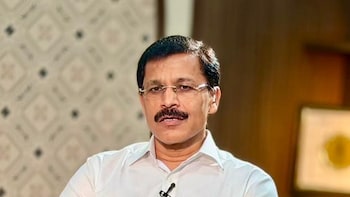
Reserve Bank of India's (RBI) Deputy Governor T Rabi Sankar has warned that stablecoins pose major macroeconomic risks and rejected claims of their utility. He asserted they “do not serve any purpose fiat money cannot,” according to Reuters.
In a speech in Mumbai, Sankar cautioned that while stablecoins have gained momentum, particularly after US legislation legitimised dollar-pegged tokens with a combined market cap surpassing $300 billion, a cautious stance remains essential in India.

-
 Indian Markets Turning Corner After Two Tough Years, Says Sandeep Tandon
-
 NDTV Profit Ignite 2026: Experts See Opportunity In Equities, Stay Bullish For Long-Term
-
 Buy Right, Sit Tight Does Not Work for Individual Stocks, Says Dinshaw Irani
-
 'Worst Is Behind': Quant MF Sees Market Bottom, Flags 'Extreme Euphoria' In Midcaps
-
 India's Mutual Fund Industry Could Become A $1 Trillion Opportunity, Say Fund Managers
-
 'Foreign Investors Are Baraatis': Raamdeo Agrawal's Take On LTCG Tax
-
 Stay Invested Through Market Cycles: Raamdeo Agrawal at NDTV Profit Ignite
-
 Ramesh Damani Remains Bullish On India For Next 20-30 Years, Sees Bargains Amid Market Weakness
-
 CAS Came After A Long Consultation Process: SEBI Chairman Tuhin Kanta Pandey AT NDTV PROFIT IGNITE
-
 Aim To Cut FPI Onboarding Time From Mth To Five Days: SEBI Chairman Tuhin Kanta Pandey AT NDTV PROFI
On Stablecoins
“Stablecoins do not serve any purpose fiat money cannot,” he emphasised. He added, “Beyond the facilitation of illicit payments and circumvention of capital measures, stablecoins raise significant concerns for monetary stability, fiscal policy, banking intermediation, and systemic resilience.”
Also Read | Layoffs Are Rising In Tech, But These Skills Are Helping People Unlock Better Pay
Sankar noted that while a US regulatory framework has propelled stablecoins into widespread use, India, along with other major economies such as Japan and the European Union, has opted for divergence. He added that introducing such assets into mainstream financial infrastructure could elevate systemic risks.
The RBI Deputy Governor went on to question stablecoins' touted advantages, saying, “Such tokens are yet to establish the benefits their proponents claim and remain inferior to fiat money,” reinforcing India's intention to maintain a cautious approach.
Sankar contrasted stablecoins with central bank digital currencies, stating, “CBDCs are inherently superior to stablecoins”. India's own retail and wholesale CBDC pilot already counts approximately seven million users.
Gold's Crypto Connect — USDT Stablecoin Issuer Is Top Bullion Holder Outside Big Central BanksOn Crypto
He further dismissed private cryptocurrencies, asserting, “Cryptocurrencies have no intrinsic value. Since they do not have any underlying cash flows, they are not financial assets as well.”
Under India's current regulatory framework, local crypto exchanges must register with a government agency tasked with anti-money laundering compliance.
Crypto gains remain taxable, and the sector has observed increased adoption beyond major metropolitan regions. Sankar stressed that India must engage all relevant stakeholders before deciding to prohibit cryptocurrency trading entirely.
“It is under consideration and (a decision) will be taken. We have to all finalise our approaches and actions based on what that decision is,” he said.
Coinbase Returns To India After Two-Year Halt, Plans INR-To-Crypto Trading In 2026Essential Business Intelligence, Sharp Market Insights, Practical Personal Finance Advice, Daily Fuel, Gold and Silver Prices and Latest Stories — On NDTV Profit.