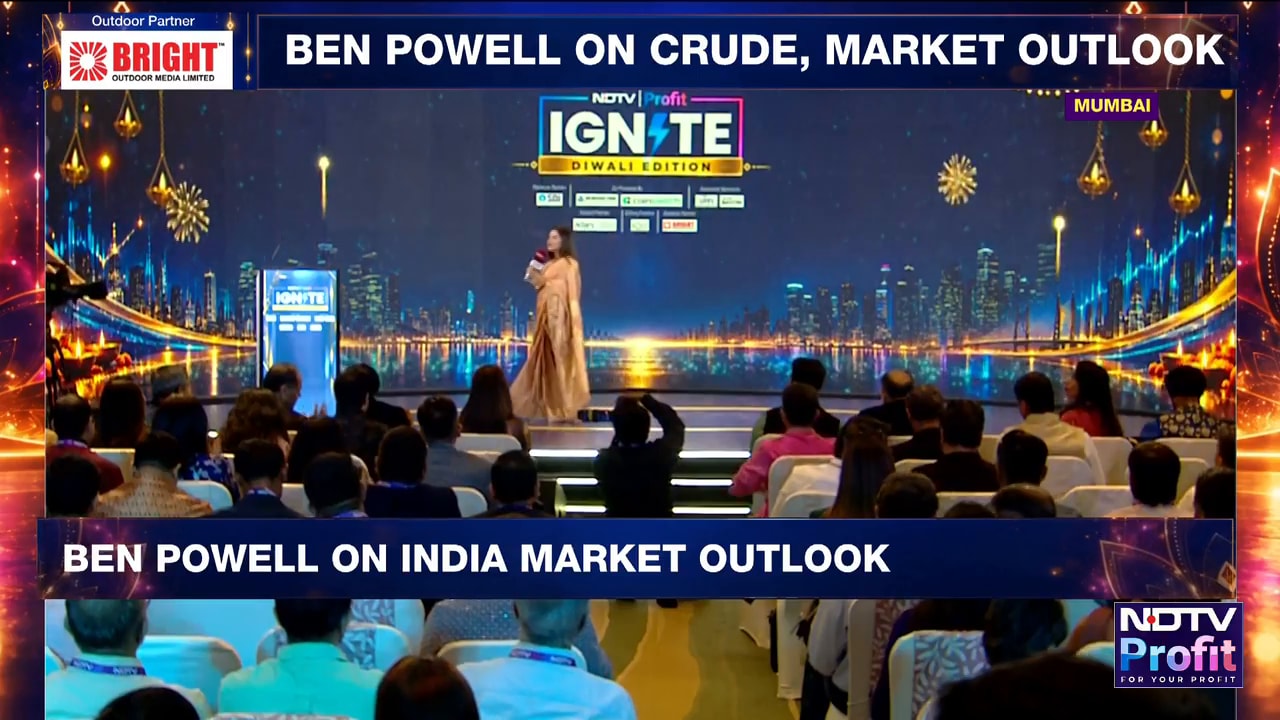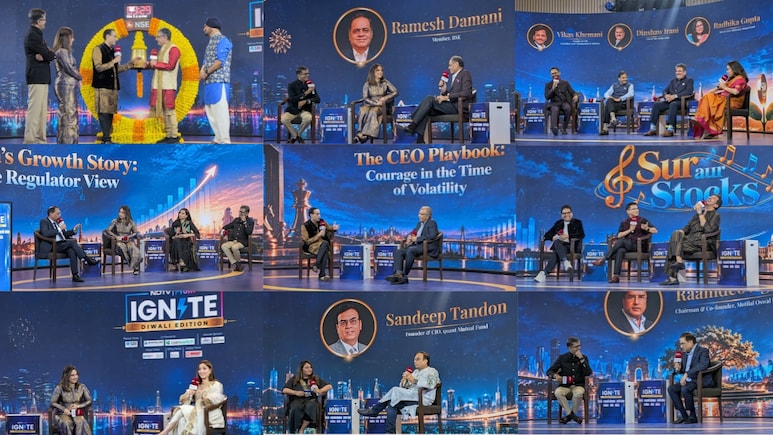
Veteran market experts gathered at NDTV Profit Ignite 2026 at a time when investor sentiment towards Indian equities remains weak. The broad message was one of cautious optimism: the worst of the correction may be behind the market, though a recovery could take time.
Indian equities have been consolidating after strong returns between 2020 and 2024, while foreign capital has moved towards global AI-linked opportunities. A weak rupee and higher returns available in US government bonds have added to the pressure on Indian markets.

-
 NDTV Profit Ignite 2026: Experts See Opportunity In Equities, Stay Bullish For Long-Term
-
 Buy Right, Sit Tight Does Not Work for Individual Stocks, Says Dinshaw Irani
-
 'Worst Is Behind': Quant MF Sees Market Bottom, Flags 'Extreme Euphoria' In Midcaps
-
 India's Mutual Fund Industry Could Become A $1 Trillion Opportunity, Say Fund Managers
-
 'Foreign Investors Are Baraatis': Raamdeo Agrawal's Take On LTCG Tax
-
 Stay Invested Through Market Cycles: Raamdeo Agrawal at NDTV Profit Ignite
-
 Ramesh Damani Remains Bullish On India For Next 20-30 Years, Sees Bargains Amid Market Weakness
-
 CAS Came After A Long Consultation Process: SEBI Chairman Tuhin Kanta Pandey AT NDTV PROFIT IGNITE
-
 Aim To Cut FPI Onboarding Time From Mth To Five Days: SEBI Chairman Tuhin Kanta Pandey AT NDTV PROFI
-
 "I Am A Material Man In A Material World': Quantum Advisors' Ajit Dayal On NDTV Profit Ignite
NSE MD and CEO Ashishkumar Chauhan said India lacks a headline-grabbing AI investment theme, but could benefit if the global AI trade unwinds.
Also Read | Layoffs Are Rising In Tech, But These Skills Are Helping People Unlock Better Pay
Several panellists pointed to the resilience of the Indian economy and the potential for the ongoing correction to create buying opportunities.
However, they also cautioned that a more favourable market outlook does not make every stock attractive.
Long-term view intact
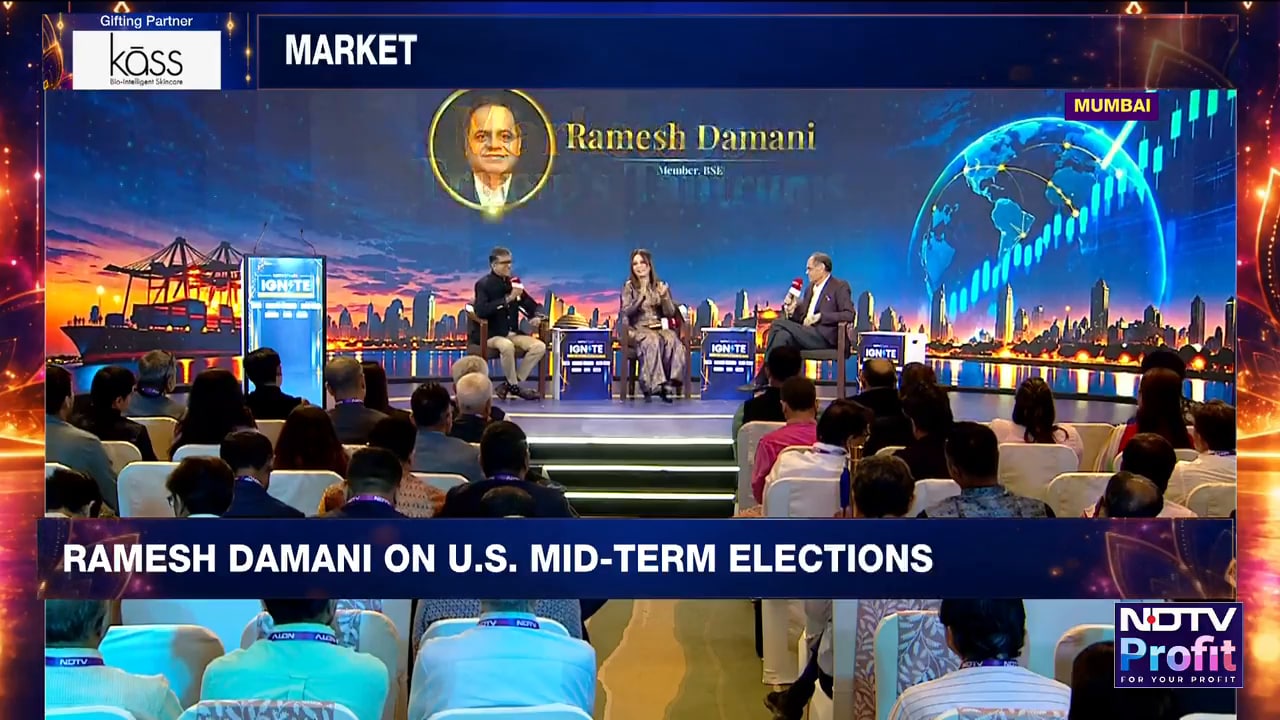
Veteran investor Ramesh Damani said markets could remain volatile in the near term amid geopolitical concerns and the upcoming US midterm elections.
His long-term view on India, however, remains intact. Damani said the Indian market has risen about fivefold every decade and could continue to deliver over the long run, while cautioning investors against expecting steady returns year after year.
“Investors must remember that the market does not go up in a straight line, and returns get bunched up – periods of outperformance may follow periods of underperformance,” he said.
Ajit Dayal, founder of Quantum Advisors, cautioned that Indian equities now face competition from US government bonds, which offer higher risk-free returns than in the past. He also said policy support for the rupee would be important in attracting foreign capital.
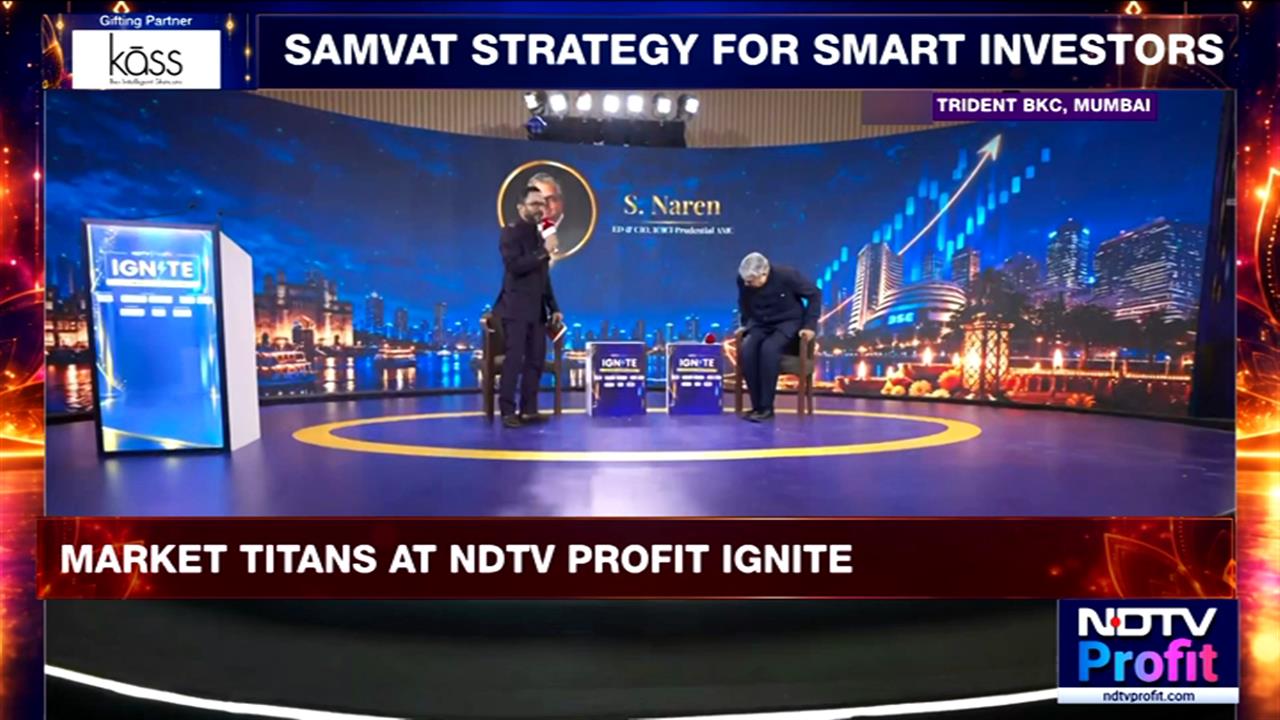
S. Naren, CIO of ICICI Prudential AMC, which manages Rs 11.7 lakh crore, said valuations have corrected but are not yet cheap.
Even so, he argued that a contrarian strategy would be to reduce exposure to the US AI theme and look at underperforming markets such as India.
All about earnings
Ultimately, market performance will depend on earnings growth, said Motilal Oswal co-founder Raamdeo Agrawal.
“If earnings continue to grow, which they will, the market has to catch up,” he said.
Sandeep Tandon, founder of Quant Mutual Fund, also struck an optimistic note, saying the Indian market looked better than it did two years ago and that the worst may be behind it.
Tandon and ace investor Vijay Kedia, however, urged investors to remain selective. An improving market outlook, they cautioned, does not automatically make every stock a good investment.
Where to invest now
Naren identified financial services, insurance, FMCG and IT as sectors where the correction could present contrarian opportunities.
Damani, who has been positive on defence and materials, said deglobalisation is pushing countries to build domestic supply chains. This shift, he believes, could benefit companies linked to strategic materials and domestic manufacturing.
The bigger picture
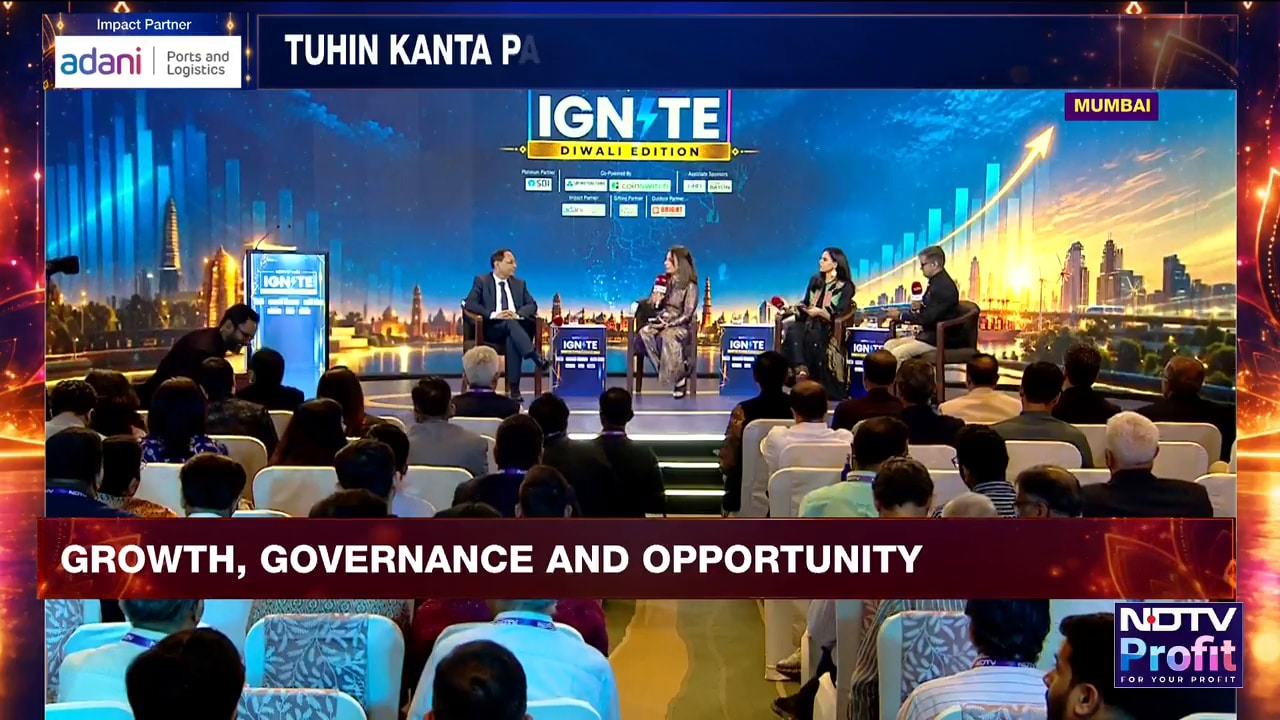
In his keynote address, SEBI Chairman Tuhin Kanta Pandey said India needs to deepen its capital markets by bringing more companies into the listed ecosystem while making it easier and less costly for businesses to raise funds.
He said around 2,000 companies could potentially be prepared for listing, with industry bodies helping them make the transition. SEBI also wants to make IPO disclosures simpler for retail investors and improve monitoring of how companies deploy the money they raise.
On regulation, Pandey emphasised the need to balance effective oversight with lower compliance costs. He said SEBI would continue reviewing rules in consultation with market participants, including measures to simplify foreign investor onboarding and improve disclosure norms.
For retail investors, he highlighted the need for greater awareness of the risks of derivatives trading and a stronger response to misleading financial influencers and online investment scams. At the same time, he said regulation must account for investors' freedom to make their own choices.
The discussions at Ignite pointed to a market where long-term optimism remains, but a sustained recovery will depend on earnings, valuations and the return of investor confidence.
Essential Business Intelligence, Sharp Market Insights, Practical Personal Finance Advice, Daily Fuel, Gold and Silver Prices and Latest Stories — On NDTV Profit.