- Oil prices surged after Iran launched missiles toward Israel, raising supply disruption fears
- Brent crude hit $96.47 a barrel; US WTI briefly neared $94 before easing gains
- Strait of Hormuz remains a critical risk due to disrupted maritime traffic and attacks
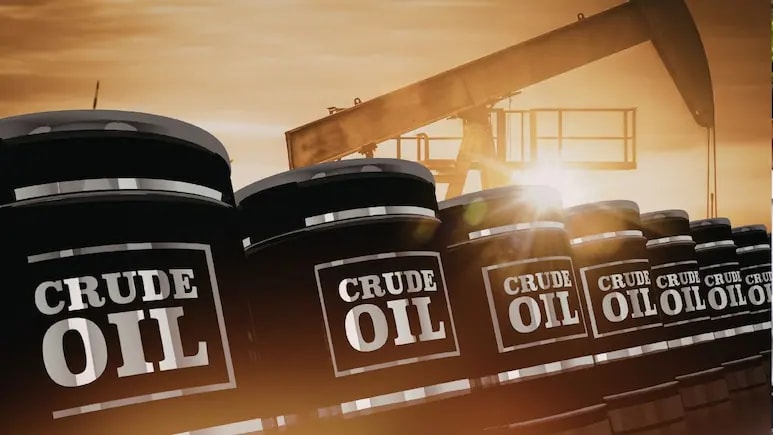
Oil prices surged on Tuesday after Iran launched several rounds of missiles toward Israel, raising fears that a fragile ceasefire in the Middle East could unravel and further disrupt energy supplies from the region. Brent crude jumped as much as 3.6% to $96.47 a barrel, while US benchmark West Texas Intermediate briefly approached $94 before paring some gains. The rally added to volatility in energy markets that have been driven largely by geopolitical developments rather than underlying supply-demand fundamentals.
The latest escalation comes at a sensitive stage in negotiations aimed at ending the conflict. An Iranian military adviser said the missile attacks were intended as a warning to Israel to halt military actions in Lebanon. Israel said all incoming missiles were intercepted and reported no casualties.
Hormuz Remains the Key Concern
For oil traders, the biggest risk remains the Strait of Hormuz, a critical shipping route through which a significant portion of the world's crude, fuel and liquefied natural gas exports pass.
Also Read | Layoffs Are Rising In Tech, But These Skills Are Helping People Unlock Better Pay
The conflict has already led to severe disruptions in traffic through the waterway, creating concerns about supply shortages and longer-term energy market tightness.
Over the weekend, US Central Command said it intercepted two Iranian attack drones that threatened maritime traffic in Hormuz. The development followed missile launches toward Bahrain and Kuwait last week, highlighting the widening regional dimension of the conflict.
Diplomatic Efforts Continue
US President Donald Trump urged Iran to return to negotiations following the latest attack and reportedly criticised Israeli strikes on Beirut over the weekend. According to media reports, Trump also intends to press Israeli Prime Minister Benjamin Netanyahu against retaliatory action that could further escalate tensions.
However, several obstacles remain before a broader peace agreement can be reached. Iran has linked progress in talks to a parallel ceasefire between Israel and Lebanon, where fighting involving Hezbollah continues despite a truce announced last week.
Adding another layer to the market outlook, OPEC+ recently agreed to increase July production quotas by 188,000 barrels per day. Yet with exports from the Persian Gulf still constrained, many producers may struggle to bring those additional barrels to market.
Essential Business Intelligence, Sharp Market Insights, Practical Personal Finance Advice, Daily Fuel, Gold and Silver Prices and Latest Stories — On NDTV Profit.