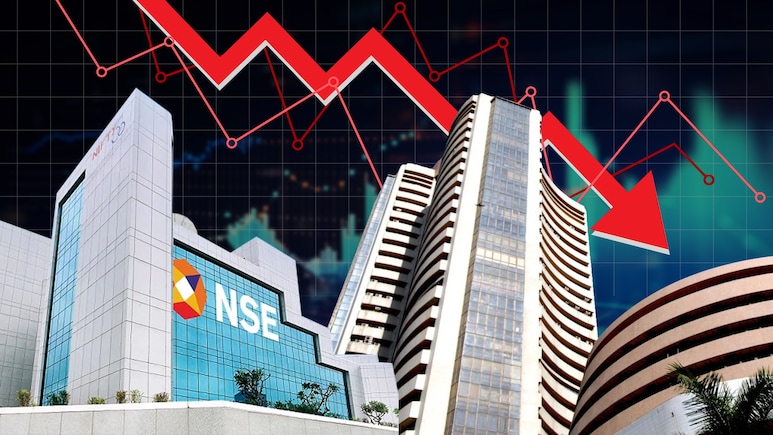
Indian markets fell on Monday as escalating tensions between the US and Iran unsettled global investors and triggered risk aversion across asset classes. The sharp reaction left many retail investors anxious, but market veterans say such episodes follow a familiar script — and rarely warrant panic-driven decisions.
History provides perspective. During the Iraq War and the Russia–Ukraine war, markets reacted in a predictable pattern. Oil prices surged first, followed by a spike in safe-haven assets like gold. Equities typically declined as investors rushed to cut risk. However, once clarity emerged, markets often rebounded faster than the headlines had suggested.
The immediate concern for India is crude oil. As a major importer of energy, the country is vulnerable to supply disruptions and higher global prices. Rising oil prices can widen the current account deficit, push up inflation and pressure the rupee, all of which weigh on equities in the short term.
Also Read | Layoffs Are Rising In Tech, But These Skills Are Helping People Unlock Better Pay
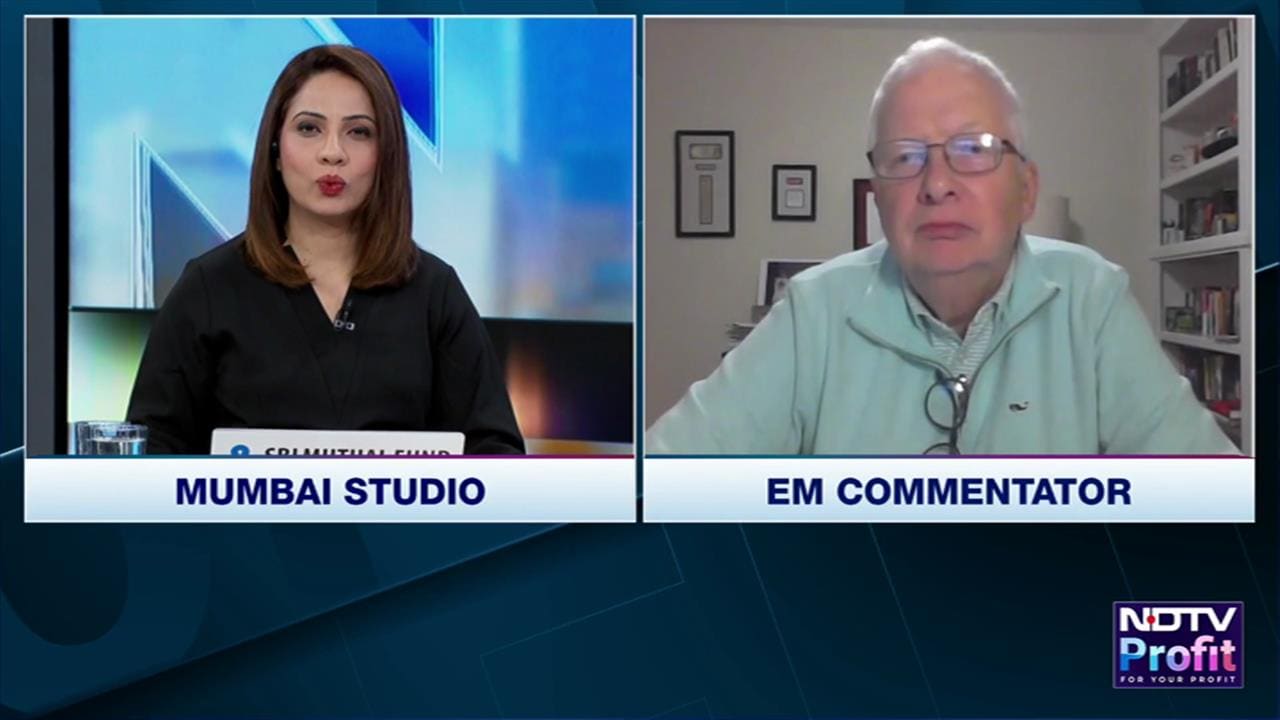
Jonathan Barratt, Chief Investment Office, ETO Markets, told NDTV Profit that India's reliance on oil imports remains significant and cautioned that the geopolitical situation may not resolve quickly. According to him, the longer the conflict persists, the higher the oil risk premium could climb, keeping energy prices elevated.
ALSO READ: Nifty Stocks Shed Rs 2.5 Lakh Crore In Market Cap As Iran War Crushes Risk Appetite
Yet several investors and analysts are urging calm. Helios Capital Management Founder Sameer Arora said he is not worried, arguing that such flare-ups tend to fade quickly and markets often reverse just as fast as they fall. “Everything will reverse,” he suggested, implying the current sell-off is more emotional than structural.
Mark Matthews, Head of Research, Asia Julius Baer, also downplayed the long-term impact, noting that the historical correlation between Indian equities and crude oil has weakened over time. Structural reforms, domestic demand and strong participation from local investors have reduced the market's vulnerability to oil shocks. In his view, India remains a long-term growth story that should not be derailed by temporary geopolitical stress.
Technical analyst Hemen Kapadia of DrChoksey Finserv pointed out that the market has revisited similar levels multiple times in recent months. He believes that if indices hold for the next 48 hours, sentiment could stabilise and the recent bearish gap may be filled within days. His advice: avoid impulsive buying or selling. “Don't panic. We have been here before,” he said.
Experts broadly recommend a steady approach. Avoid panic selling, as knee-jerk reactions can lock in losses. Continue SIPs to benefit from rupee-cost averaging. Focus on quality companies with strong fundamentals rather than chasing beaten-down stocks. In addition experts suggest to maintain diversification across equities, bonds and gold to balance risk.
Essential Business Intelligence, Sharp Market Insights, Practical Personal Finance Advice, Daily Fuel, Gold and Silver Prices and Latest Stories — On NDTV Profit.