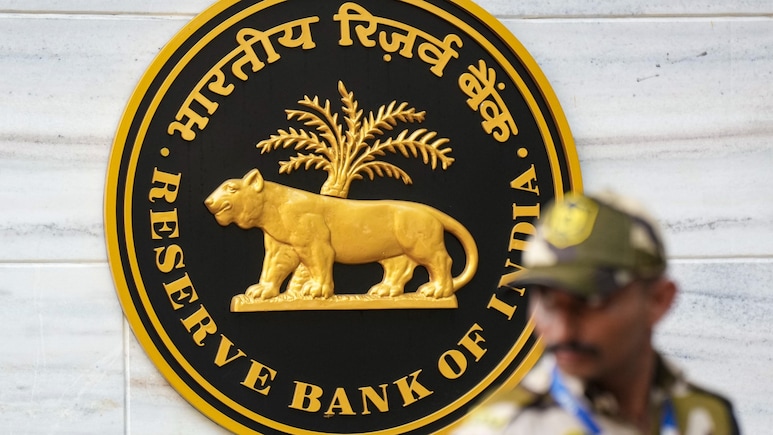
The Reserve Bank of India on Friday kept the repo rate unchanged at 5.25% after its Monetary Policy Committee meeting. The central bank maintained a cautious approach in view of the West Asia conflict and its possible impact on inflation and growth.
Governor Sanjay Malhotra said the decision followed three days of deliberations by the six-member MPC that began on June 3. The interest rate set by the MPC for commercial banks influences lending rates for borrowers.
If the MPC raises the rate, borrowing becomes more expensive for banks. This could mean higher EMI on home loans and reduced economic activity. Keeping the rates unchanged, the governor highlighted that the food prices remain uncertain due to higher fuel costs and predictions of a weak southwest monsoon.
Also Read | Layoffs Are Rising In Tech, But These Skills Are Helping People Unlock Better Pay
The RBI also announced steps to strengthen foreign exchange inflows and reserves by relaxing several norms and increasing limits for investments by NRIs and Overseas Citizens of India in equity markets.
What RBI Decision Means For Borrowers?
As the RBI MPC has decided to keep the rates unchanged at 5.25%, this means that existing loans and banking products linked to floating rates will not immediately see any changes.
As a result, repo-linked home loans or any other loans will not be impacted. Customers who have benefitted from the 125 basis points of cuts by the RBI since early 2025 will continue with lower repayment burdens.
But the RBI's decision to keep rates unchanged doesn't mean benefits for all borrowers. Those with older loans linked to the Marginal Cost of Funds-based Lending Rate (MCLR) system may still pay higher interest. They can consider switching to repo-linked lending rates.
What Happens To Fixed Deposits?
Customers with existing fixed deposits in banks need not worry about the impact of the RBI MPC policy. Fixed deposits are offered at a fixed interest rate based on the repo rate policy at the time of booking. This means the rate does not change during the tenure of the deposit once locked with the banks.
Only new FDs may reflect revised rates. But since the RBI has kept the policy rate unchanged, new deposits will likely continue to be offered at similar prevailing rates.
ALSO READ: RBI MPC Raises Lowers GDP Growth Projections Amid West Asia War, Supply Chain Pressure
Essential Business Intelligence, Sharp Market Insights, Practical Personal Finance Advice, Daily Fuel, Gold and Silver Prices and Latest Stories — On NDTV Profit.