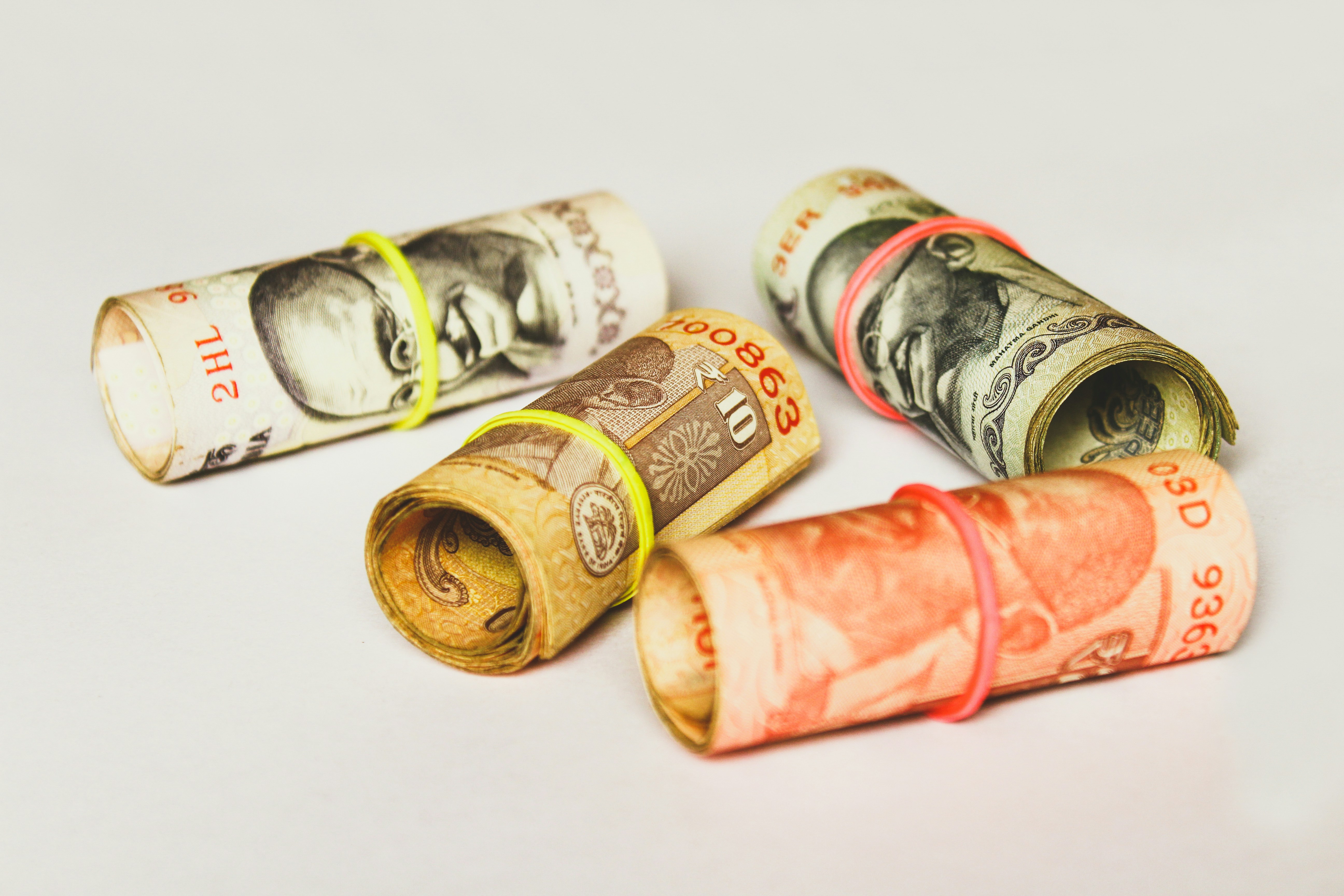
S&P Global Ratings on Tuesday cut India's GDP growth projections to 6.5% for the next fiscal as it expects that economies in the APAC region will feel the strain of rising US tariffs and pushback on globalisation.
In its Economic Outlook for Asia-Pacific, S&P said despite these external strains, it expects domestic demand momentum to remain solid in most emerging-market economies.

-
 Indian Markets Turning Corner After Two Tough Years, Says Sandeep Tandon
-
 NDTV Profit Ignite 2026: Experts See Opportunity In Equities, Stay Bullish For Long-Term
-
 Buy Right, Sit Tight Does Not Work for Individual Stocks, Says Dinshaw Irani
-
 'Worst Is Behind': Quant MF Sees Market Bottom, Flags 'Extreme Euphoria' In Midcaps
-
 India's Mutual Fund Industry Could Become A $1 Trillion Opportunity, Say Fund Managers
-
 'Foreign Investors Are Baraatis': Raamdeo Agrawal's Take On LTCG Tax
-
 Stay Invested Through Market Cycles: Raamdeo Agrawal at NDTV Profit Ignite
-
 Ramesh Damani Remains Bullish On India For Next 20-30 Years, Sees Bargains Amid Market Weakness
-
 CAS Came After A Long Consultation Process: SEBI Chairman Tuhin Kanta Pandey AT NDTV PROFIT IGNITE
-
 Aim To Cut FPI Onboarding Time From Mth To Five Days: SEBI Chairman Tuhin Kanta Pandey AT NDTV PROFI
"India's GDP will grow 6.5% in the fiscal year ending March 31, 2026, we expect. Our forecast is the same as the outcome for the previous fiscal year, but less than our earlier forecast of 6.7%," S&P said.
Also Read | Layoffs Are Rising In Tech, But These Skills Are Helping People Unlock Better Pay
The forecast assumes that the upcoming monsoon season will be normal and that commodity—especially crude—prices will be soft.
Cooling food inflation, the tax benefits announced in the country's budget for the fiscal year ending March 2026, and lower borrowing costs will support discretionary consumption in India, S&P said.
The global credit rating agency expects central banks in the Asia Pacific region to continue cutting benchmark interest rates through this year.
"The Reserve Bank of India will cut interest rates by another 75 bp-100 bp in the current cycle, we project. Easing food inflation and lower crude prices will move headline inflation closer to the central bank target of 4% in the fiscal year ending March 2026 and fiscal policy is contained," S&P said.
Last month, the Reserve Bank of India had reduced the repo rate by 25 basis points from 6.50% to 6.25% in its monetary policy review.
S&P said Asia-Pacific economies will feel the strain of rising US tariffs specifically and a pushback on globalisation more generally.
"However, we see domestic demand momentum broadly holding up, especially in the region's emerging-market economies."
"Given the volume of policy measures and external pressures hitting Asia-Pacific, the robustness of our forecasts underscores the resilience of the regional economies," it added.
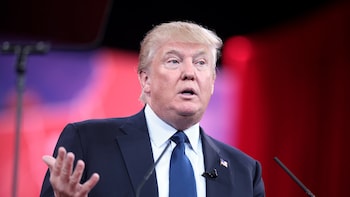
S&P said that the Donald Trump administration in the US is changing economic policy in key areas.
Domestically, immigration reduction, deregulation and cuts to taxes and government spending are in focus.
Externally, US import tariffs are rising across the board. So far, the new US government has imposed an additional 20% tariff on imports from China; 25% levies on some imports from Canada and Mexico, with levies on other products postponed for a month; and a global 25% tariff on steel and aluminium.
The US has also announced an intention to impose "reciprocal tariffs" and tariffs on cars, semiconductors and pharmaceuticals.
"In our view, the import tariffs will lower growth in the US and abroad, and raise US inflation.
"We now expect the US Federal Reserve to cut its policy rate by 25 basis points (bp) only one time in 2025, in the end, and make three such cuts in 2026.
"The heightened uncertainty about US economic policy and its impact, notably around tariffs, is weighing on investment in the US and elsewhere," S&P said.
Essential Business Intelligence, Sharp Market Insights, Practical Personal Finance Advice, Daily Fuel, Gold and Silver Prices and Latest Stories — On NDTV Profit.