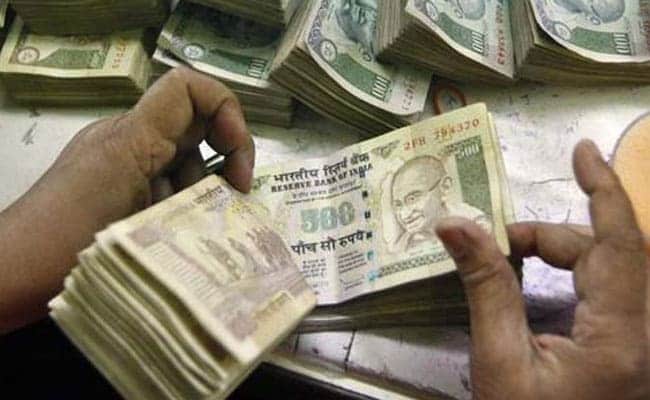
An interest rate of 9.50 per cent per annum on a fixed deposit may look attractive to many at a time when most of the commercial banks are offering an interest rate of 7-7.5 per cent.
State Bank of India is offering an interest of 7 per cent per annum on three-year fixed deposits. On the other hand, cooperative banks offer much higher interest. For example, Mahaveer Co-Operative Bank, Abhinav Sahakari Co-operative Bank and Municipal Co-Operative Bank offer 8.50-9.50 per cent interest on fixed deposits of similar maturity.
A 150-percentage-point difference in interest rates could result in Rs 1 lakh more interest on a fixed deposit of Rs 10 lakh for five years.
No wonder, many retirees - who invest heavily in fixed deposits to draw regular income - get attracted towards co-operative bank fixed deposits, ignoring the inherent risk.
Many co-operative banks have failed over time. Commercial banks are more tightly regulated than co-operative banks. Also, unlike commercial banks, the information related to the financial health of co-operative banks is not readily available.
Rishi Mehra, founder of Deal4Loans, says it is not worth taking the risk for that extra 1.5-2 per cent interest due to failure of many cooperative banks in the past.
"As these banks give loans to local farmers and small business holders in the area they operate, they fail as their risks are not spread across sectors well," he added.
However, investor's money up to Rs 1 lakh in deposits with co-operative banks is insured under the deposit insurance scheme, like other nationalized banks.
Therefore, experts suggest depositors spread their investments across banks. For example, if someone wants to deposit Rs 2 lakh, he or she can spread it across two to three cooperative banks.
Another risk is that at times government puts withdrawal limits in case of bank failure. "At times, the government restricts holders to withdraw over a certain amount and gives time to such cooperative banks to come back to shape which for customers becomes a big hassle," said Mr Mehra.
Essential Business Intelligence, Sharp Market Insights, Practical Personal Finance Advice, Daily Fuel, Gold and Silver Prices and Latest Stories — On NDTV Profit.