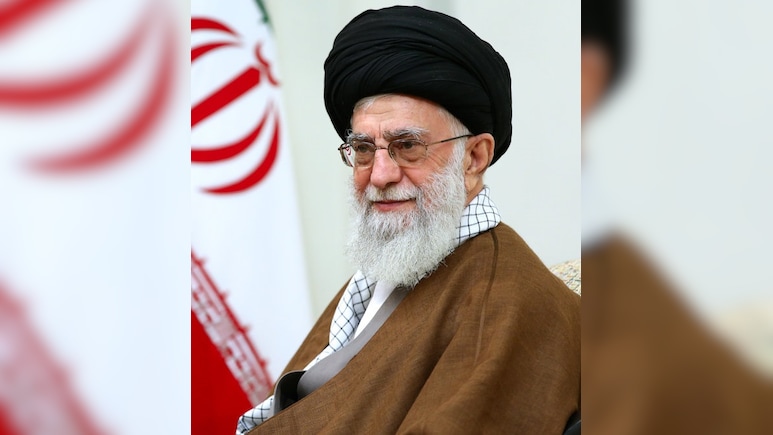
After more than 100 days of his death, Iran has postponed the state funeral of late Supreme Leader Ali Khamenei yet again, with authorities now planning to hold the ceremony in late June or early July, Tehran Mayor Alireza Zakani announced Thursday.
Zakani, in a statement carried by the Fars news agency, said the three-day funeral event would be held after the first ten days of Muharram — the opening month of the Islamic calendar — a period of mourning that commemorates Imam Hussein, one of the most revered figures in Shia Islam.
The delay is intended to allow those religious observances to conclude before the state funeral begins.
Also Read | Layoffs Are Rising In Tech, But These Skills Are Helping People Unlock Better Pay
Based on the revised timeline, the ceremony is now expected to take place between June 26 and July 5.
Why Is He Still Unburied?
Khamenei, who led the Islamic Republic for nearly 37 years, was killed at his residence in central Tehran on February 28 during US-Israeli strikes on the opening day of the Middle East war.
A state funeral had originally been scheduled for March 4 but was postponed as the conflict escalated. Iranian authorities had subsequently indicated the funeral would be held in early Muharram, a timeline that has now also slipped.
The repeated delays have coincided with ongoing conflict, active nuclear negotiations with the United States, and a significant transition in Iran's political leadership — suggesting the funeral's timing carries weight beyond religious scheduling.
ALSO READ: 'Hormuz To Reopen Immediately': Iran Deal Signing Likely In Europe Over Weekend, Says Trump
A Burial Fit For A Supreme Leader
Deputy Tehran Mayor Mohammad Amin Tavakolizadeh, reportedly, said ceremonies would be held not only in the capital but also in the holy cities of Qom and Mashhad, where Khamenei is expected to be buried, a city of deep religious significance for Iranian Shia Muslims.
Events in Tehran alone are expected to last at least 24 hours.
ALSO READ: 'Armed Robbery, State Piracy': Iran Condemns Brutal US Attack On Ship Carrying Indian Sailors
20 Million Expected
Iranian authorities have been preparing for what could be one of the largest public gatherings in the country's history, with officials previously estimating that as many as 20 million people could participate in funeral events across multiple cities.
Security and logistical arrangements are expected to be among the most extensive ever undertaken by the Iranian state.
Essential Business Intelligence, Sharp Market Insights, Practical Personal Finance Advice, Daily Fuel, Gold and Silver Prices and Latest Stories — On NDTV Profit.