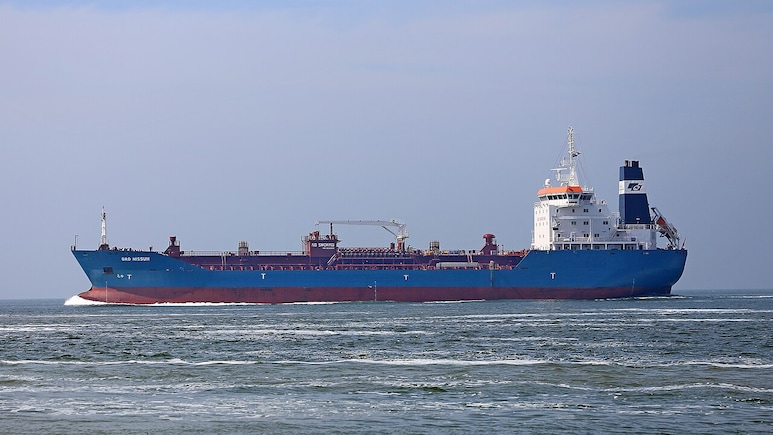
War-risk insurance premiums for commercial shipping have spiked dramatically in recent weeks, with rates surging as high as 7.5% amid escalating tensions linked to the Iran conflict, reports said, citing data from Lloyd's of London.
Premiums across several high-risk maritime corridors have climbed to 1-1.5% of a vessel's value, while the most exposed routes are now seeing rates between 3% and 7.5%. This marks a sharp departure from traditional pricing, where war-risk cover typically accounted for just 0.1% to 0.25%.
The financial impact is substantial. For large oil tankers valued at $200–300 million, a rise from 0.25% to 3% translates into insurance costs jumping from roughly $600,000 to as much as $7–9 million per voyage—fundamentally altering voyage economics and profitability.
Also Read | Layoffs Are Rising In Tech, But These Skills Are Helping People Unlock Better Pay
Also Read: Qatar Airways Tops World's Best Airlines 2026 Rankings: Indian Carriers Lag Behind
Rapid Escalation And Policy Withdrawals
Insurance executives say the repricing has been swift and reactive. Within days of heightened hostilities in West Asia, insurers began issuing cancellation notices on existing policies, often with just seven days' notice, before reintroducing cover at sharply elevated rates.
In some cases, premiums have risen by over 1,000%, while certain policies have been withdrawn entirely due to unpredictable risks, including missile strikes, drone attacks, electronic interference and vessel seizures. Shipowners are now scrambling to secure cover before entering designated high-risk zones.
Chokepoints Under Pressure
The surge is closely tied to disruptions in key global chokepoints, particularly the Strait of Hormuz, through which nearly 20% of global oil supplies pass. Traffic through the corridor has slowed significantly as vessels face increasing threats.
Also Read: Amazon Web Services Hit In Bahrain Due To Drone Activity Amid Middle East Conflict
Shipowners are increasingly opting for longer alternative routes, including voyages around the Cape of Good Hope, to avoid high-risk waters, adding time and fuel costs to already expensive journeys.
Insurers are also monitoring risks in the Red Sea and adjacent shipping lanes, where recent attacks have exposed vulnerabilities to asymmetric warfare tactics.
Broader Supply Chain Impact
The cost escalation extends beyond vessels. War-risk premiums on cargo have risen from about 0.03% to nearly 1% in affected regions, increasing landed costs for commodities such as crude oil, LNG and high-value manufactured goods.
This has forced importers and exporters to renegotiate contracts or absorb thinner margins.
Industry stakeholders and government authorities, including those in India, are exploring mitigation measures such as a domestic war-risk insurance pool to ensure availability and affordability of coverage.
Analysts warn that the current surge may signal a structural shift. With geopolitical fragmentation and evolving warfare technologies complicating risk assessment, traditional actuarial models are proving inadequate. Some estimates suggest premiums for the riskiest voyages could approach 10%, a level that may render certain routes commercially unviable without state support or naval protection.
Essential Business Intelligence, Sharp Market Insights, Practical Personal Finance Advice, Daily Fuel, Gold and Silver Prices and Latest Stories — On NDTV Profit.