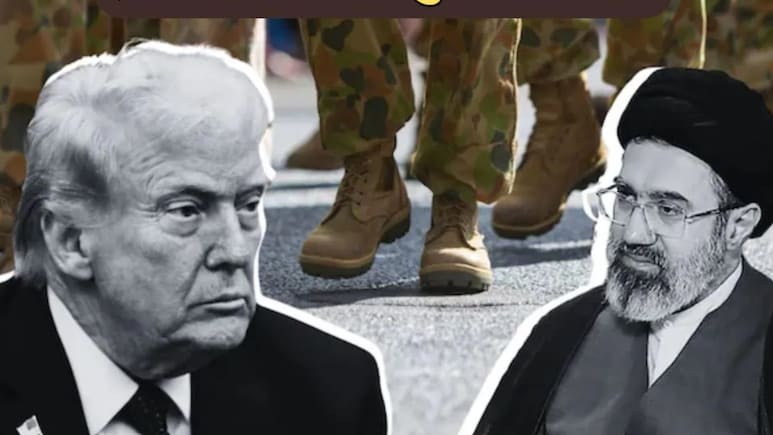
The US Treasury Department is considering using frozen Iranian assets to help Gulf allies rebuild infrastructure damaged during the ongoing conflict with Tehran, according to a CBS News report, citing a source familiar with Treasury Secretary Scott Bessent's thinking.
The source told CBS News that the department “intends to utilise all available authorities to make Iranian assets accessible for rebuilding and repair efforts related to any future damage inflicted by Iran.
Bessent has reportedly directed Treasury officials to seek detailed financial estimates from Gulf partner nations regarding the cost of repairing infrastructure damaged since hostilities began.
Also Read | Layoffs Are Rising In Tech, But These Skills Are Helping People Unlock Better Pay
The Treasury Department is also examining whether the seized assets can legally and practically be used to finance repairs for destruction “already sustained by Gulf allies during the conflict, CBS News reported.
It remains unclear which Iranian assets could be targeted under the proposal, including whether authorities would focus on frozen liquid funds held in overseas bank accounts or physical assets such as oil tankers.
The reported plan comes amid indirect negotiations between Washington and Tehran, during which Iran has insisted that any future agreement must include the lifting of sanctions and the release of billions of dollars in frozen Iranian assets abroad.
Since fighting escalated in late February, Iran has launched intermittent drone and missile attacks targeting Gulf countries including Saudi Arabia, the United Arab Emirates, Kuwait, Bahrain, Qatar and Oman.
ALSO READ: Kuwait, Bahrain Flights Affected; Explosions Reported Near Airport After Iran Launches 7 Missiles
The broader objective was to hold Tehran financially accountable for regional attacks while easing the economic burden on key US allies. The proposal has emerged during heightened military tensions between the US and Iran despite an existing ceasefire framework, reported ANI.
The latest escalation followed US strikes on Iranian coastal radar installations in Goruk and Qeshm Island in the Strait of Hormuz early Saturday. US Central Command said the operation was launched after Iranian drones were intercepted near commercial shipping routes.
Iran later retaliated by firing missiles towards US military facilities in Kuwait and Bahrain. Kuwaiti authorities said seven ballistic missiles passed over populated areas, causing structural damage but no casualties, while Bahrain activated emergency sirens and urged residents to seek shelter.
The military exchanges have further complicated already stalled diplomatic efforts. Iran has reportedly demanded the release of $24 billion in frozen revenues as part of any future peace arrangement.
An adviser to Iran's supreme leader said access to the funds remained a non-negotiable condition alongside sanctions relief and guarantees related to oil exports and shipping access through the Strait of Hormuz.
ALSO READ: Pakistan Interior Minister Mohsin Naqvi Visits Tehran For Third Time In Weeks Amid US-Iran Tensions
Essential Business Intelligence, Sharp Market Insights, Practical Personal Finance Advice, Daily Fuel, Gold and Silver Prices and Latest Stories — On NDTV Profit.