- Dr Reddys CEO says US tariffs on generics will raise drug prices for American consumers
- Relocating manufacturing to the US is commercially unviable and not a practical option
- The company will monitor tariff developments but has no immediate plans to shift production
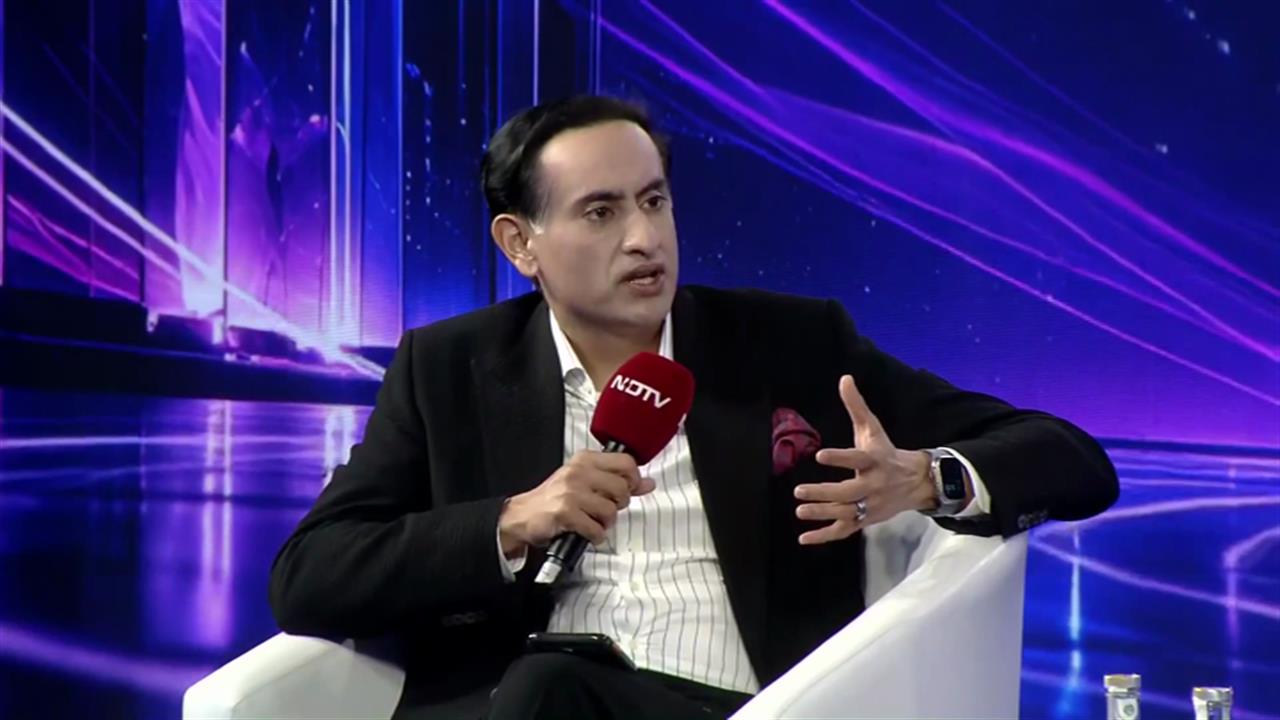
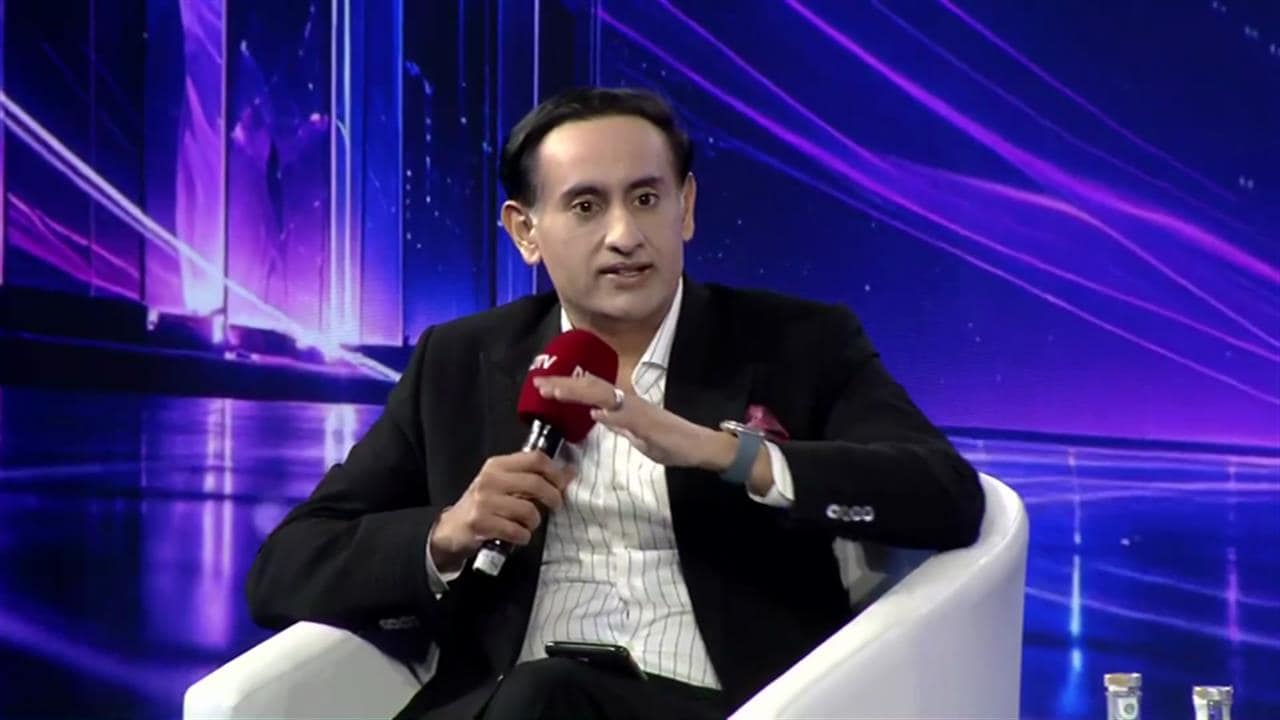
Proposed US tariffs on imported generic medicines will ultimately result in higher drug prices for American consumers rather than a shift in manufacturing, Dr Reddy's Laboratories CEO Erez Israeli said on Wednesday.
Speaking during the company's earnings call, Israeli said relocating manufacturing operations to the United States is not a practical option despite US President Donald Trump's proposed tariff roadmap.
The company will continue to monitor developments before taking any strategic decisions.
Also Read | Layoffs Are Rising In Tech, But These Skills Are Helping People Unlock Better Pay
CEO Says Tariffs Will Raise Costs
Responding to questions on the proposed tariff policy, Israeli said any increase in import duties would inevitably raise the cost of medicines in the US.
"If the tariff is increased, we will have to increase prices in the US," he said.
He added that higher tariffs would bring additional costs across the supply chain, making medicines more expensive for buyers.
No Immediate Plans To Shift Manufacturing
Israeli ruled out moving production facilities to the United States, saying such a move is commercially unviable.
"It is not practical to move manufacturing operations to the US," he said.
He added that Dr Reddy's would closely watch how the policy evolves but does not intend to take any extraordinary measures at this stage.
"We are not going to do anything special because of the announcement," he said.
Also Read: Dr Reddy's Q1 Results: Profit Plummets Two-Third As Margins Shrink, Revenue Falls 6%
Open To Partnerships If They Make Business Sense
While dismissing the possibility of relocating manufacturing, Israeli said the company remains open to partnerships, contract manufacturing or technology transfer arrangements in the US if they create long-term business value.
He noted that the significant cost difference between the US and key manufacturing locations, including markets such as Russia, makes such a move difficult under current conditions.
"We are always open to anything that will be good for the business," he said, while adding that any such decision would depend on commercial viability.
Trump's Tariff Plan
The comments come after US President Donald Trump announced a phased tariff plan for imported generic medicines on his Truth Social platform. Under the proposal, generic medicines imported into the US will continue to attract zero tariffs for two years beginning August 1. The tariff will then increase to 100% in August 2028 for one year, and will be later raised to 200%.
The proposal is intended to encourage pharmaceutical manufacturing within the United States.
Why It Matters For India?
The proposed tariff changes are significant for India, which is the largest supplier of generic medicines to the US market. Indian pharmaceutical companies account for a substantial share of prescriptions filled in the United States, making the country a critical part of America's healthcare supply chain.
Industry experts have previously warned that steep import tariffs could increase healthcare costs for US consumers, as generic medicines are typically chosen because they offer affordable alternatives to branded drugs.
Dr Reddy's comments suggest the company believes passing on the additional costs through higher prices is more feasible than relocating manufacturing operations, while continuing to assess the long-term impact of the proposed US trade policy.
Also Read: Dr Reddy's Shares Slide Over 6% After Semaglutide Batch Quality Concern
Essential Business Intelligence, Sharp Market Insights, Practical Personal Finance Advice, Daily Fuel, Gold and Silver Prices and Latest Stories — On NDTV Profit.