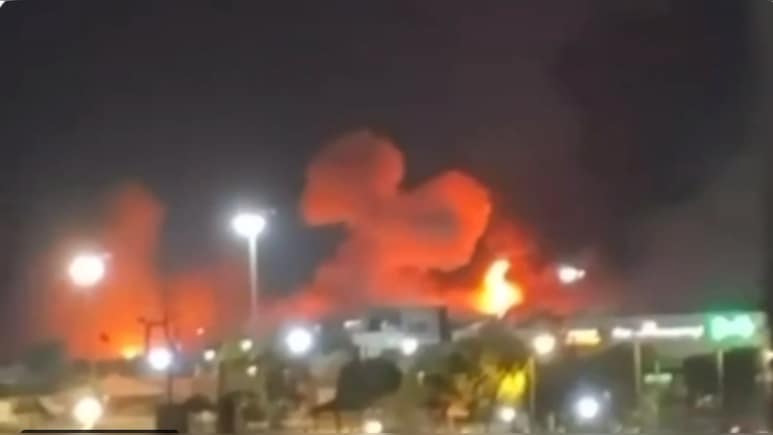
US Central Command (CENTCOM) launched a fresh wave of strikes against Iran, triggering explosions across Bandar Abbas, Qeshm Island and Sirik in the early hours of Monday.
The strikes came as Washington pressed on with efforts to keep the Strait of Hormuz open to commercial traffic.
In a statement posted on X, CENTCOM said its forces had struck targets to continue degrading Iran's ability to attack civilian mariners and commercial ships freely transiting the strait. "The Commander in Chief has directed the strikes to hold Iranian forces accountable," the statement added.
Also Read | Layoffs Are Rising In Tech, But These Skills Are Helping People Unlock Better Pay
At 5 p.m. ET today, U.S. Central Command forces began launching more strikes against Iran to continue degrading their ability to attack civilian mariners and commercial ships freely transiting the Strait of Hormuz. The Commander in Chief has directed the strikes to hold Iranian…
— U.S. Central Command (@CENTCOM) July 12, 2026
Footage circulating on social media captured the scale of the bombardment.
A clip shared by Russian state-affiliated outlet RT showed a bright flash illuminating a stretch of dark coastline, with the network claiming the latest wave of strikes was set to be bigger than previous rounds and remained ongoing.
APOCALYPTIC SCENES as US strikes LIGHT UP WESTERN IRAN'S MIDNIGHT SKY
— RT (@RT_com) July 12, 2026
Latest wave of American strikes expected to be 'BIGGER' in scale — attacks STILL ON-GOING pic.twitter.com/azQVNLLX0U
Similar visuals from earlier in the offensive, including footage geolocated to Hormozgan province showing towering orange fireballs and thick plumes of smoke rising above a port-side industrial stretch, have circulated repeatedly through the past week, underscoring the intensity of the exchanges along Iran's southern coast.
???? JUST IN: HUGE fireballs and explosions seen in Hormozgan Province, Iran following America's “PUNISHMENT” strikes against the regime
— Nick Sortor (@nicksortor) July 7, 2026
US officials say this meant to send a message to Iran.
It's clear 47 is running out of patience. pic.twitter.com/yitLvcHqjL
Monday's strikes are the latest in a string of American attacks on Iranian military and coastal infrastructure that have unfolded almost daily since the Islamic Revolutionary Guard Corps (IRGC) struck commercial vessels transiting the strait, including a Cyprus-flagged container ship and tankers linked to Qatar and Saudi Arabia.
ALSO READ: US Says Strait Of Hormuz Remains Open, Traffic Flowing Despite Iran Tensions
The IRGC has repeatedly declared the strait closed "until further notice," while US officials maintain the southern shipping route remains open and has been used by dozens of vessels in recent days.
The renewed hostilities come weeks after Washington and Tehran signed a memorandum of understanding on 17th June aimed at de-escalating tensions and reopening Hormuz.
That agreement has since unravelled, with the US Treasury revoking a sanctions waiver on Iranian oil exports and both sides accusing each other of violations.
Regional capitals, including Riyadh and Doha, have condemned the escalation, while several Gulf states such as Kuwait and Bahrain have reported drone and missile attacks on their own territory amid the widening conflict.
ALSO READ: Trump, European Leaders Named In Alleged Target List Published By Iranian Newspaper
Essential Business Intelligence, Sharp Market Insights, Practical Personal Finance Advice, Daily Fuel, Gold and Silver Prices and Latest Stories — On NDTV Profit.