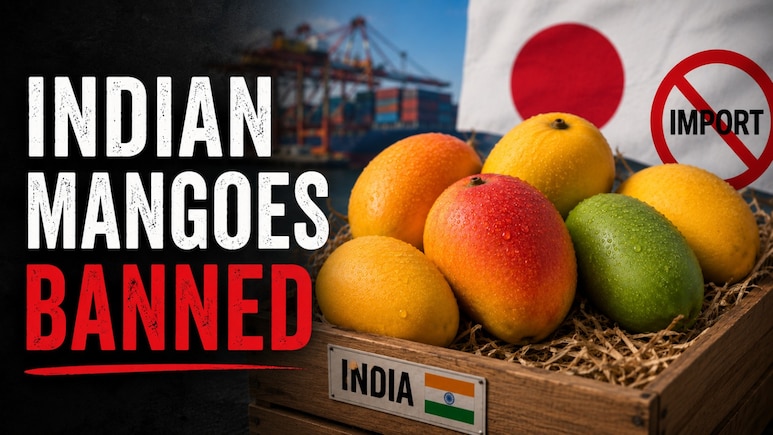
- India's mango exports to Japan halted due to pest-control compliance issues found in inspections
- Restriction affects shipments cleared after March 25, 2026, linked to a facility in Uttar Pradesh
- Vapour Heat Treatment units failed hygiene and disinfection standards, key for Japan's biosecurity
India's mango exports to Japan have been halted after Japanese quarantine officials flagged issues in pest-control compliance during routine inspections at treatment facilities. The decision has come just as the peak export season for summer mangoes gets underway, which will affect shipments of premium varieties that usually find strong demand in the Japanese market.
The restriction applies to mango consignments cleared after March 25, 2026, following an inspection report that raised concerns about hygiene and disinfection standards at a Vapour Heat Treatment (VHT) facility in Uttar Pradesh's Rehmanpur. This facility is part of the mandatory export chain for mangoes sent to Japan.
VHT units are used to treat fruit before export through controlled exposure to heat and humidity. The process is designed to eliminate insects and larvae without the use of chemicals and is a key requirement under the India-Japan plant health agreement.
Japanese authorities, through the Yokohama Plant Protection Association, communicated that shipments certified after the specified date would not be accepted until further clearance.
Also Read | Layoffs Are Rising In Tech, But These Skills Are Helping People Unlock Better Pay
What Japan Inspectors Found During Visit
The inspection was carried out in March by quarantine officials from Japan as part of their annual pre-season checks in India. These visits are standard practice before mango exports begin and are aimed at ensuring compliance with Japan's strict biosecurity norms.
According to reports, officials noted lapses related to fumigation procedures and sanitation practices at the treatment facility. But neither Indian nor Japanese authorities have released detailed technical findings from the inspection.
ALSO READ | Mangoes Don't Taste The Same | The Reason Why
Japan follows a zero-risk approach when it comes to invasive pests, especially fruit flies, which can threaten domestic agriculture if introduced through imported produce.
Earlier Restrictions
This is not the first time Indian mango exports have faced barriers in Japan. Nearly two decades ago, shipments were also restricted due to concerns over fruit fly contamination. Those curbs were lifted in 2006 after India upgraded inspection systems and treatment protocols.
Since then, trade had continued under a tightly regulated framework involving annual inspections and certification checks before each export season.
Why The Decision Matters For Exporters
Although Japan is not among the largest importers of Indian mangoes, it remains a high-value destination. Indian varieties such as Alphonso and Kesar typically fetch premium prices in that market compared to other export destinations.
India produces about 28 million metric tonnes of mangoes annually, which makes it the world's largest producer. Most of the crop is consumed domestically, but export markets play a key role in boosting earnings for growers and traders.
Essential Business Intelligence, Sharp Market Insights, Practical Personal Finance Advice, Daily Fuel, Gold and Silver Prices and Latest Stories — On NDTV Profit.