- Rupee may stay weak despite West Asia conflict easing, says Rahul Bajoria from BofA
- Rupee expected to weaken to 98 per dollar by year-end and 99 in 12 months
- Capital outflows and external vulnerabilities continue to pressure the rupee
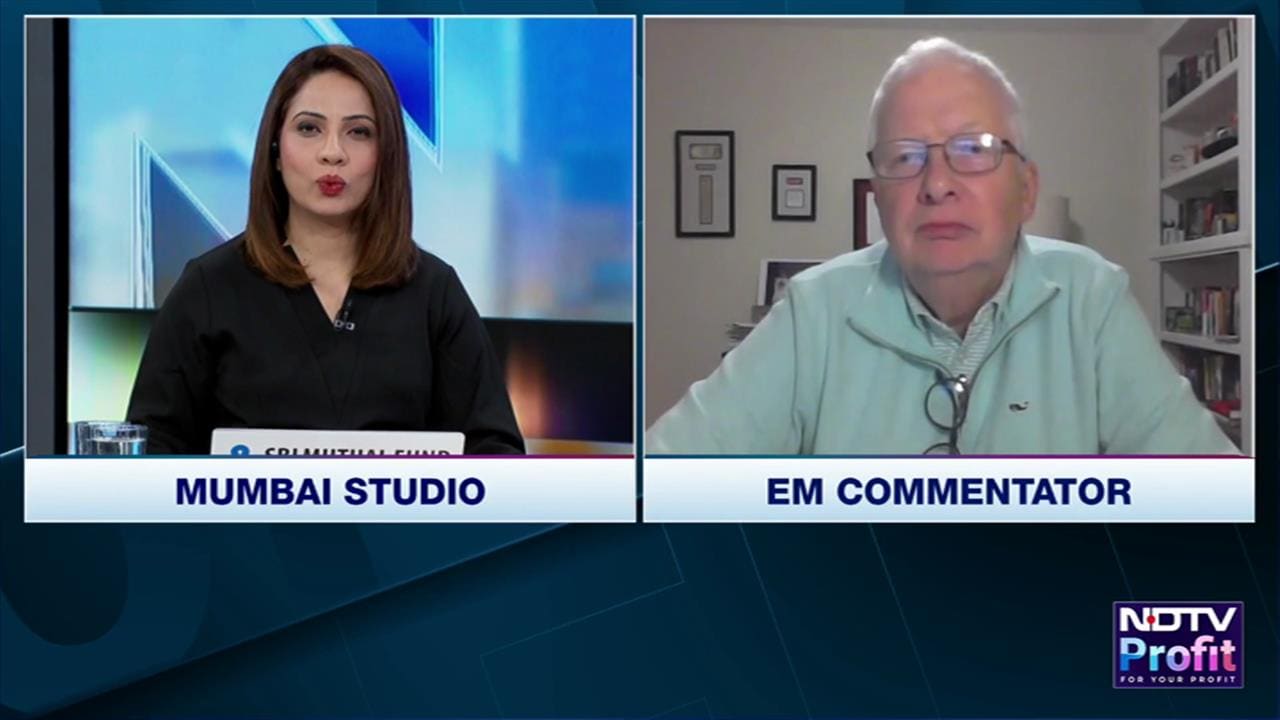
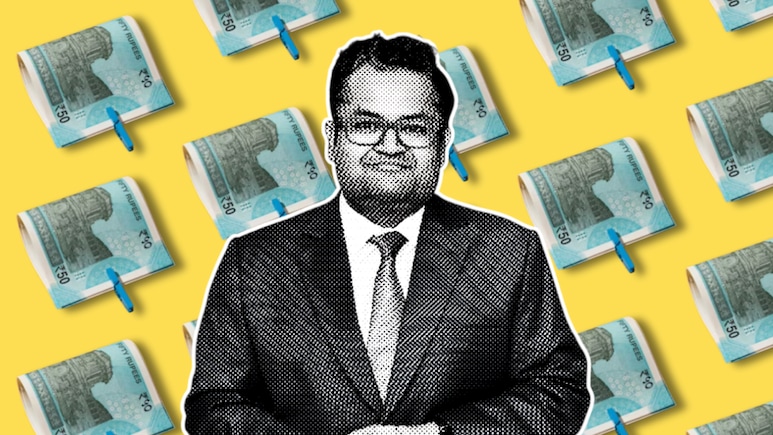
The rupee could remain under pressure even if the West Asia conflict eases, with capital outflows and external vulnerabilities continuing to weigh on the currency, according to Rahul Bajoria, Head of India and Asian Economic Research at Bank of America Global Research. Speaking to NDTV Profit, Bajoria said the “path of least resistance” remains for a weaker rupee despite expectations that an eventual de-escalation in the region could ease pressure on India's current account.
“The rupee has been underperforming quite a bit relative to other Asian currencies,” Bajoria said. While an end to the conflict could reduce India's oil import burden and improve the current account outlook, he cautioned that broader capital account challenges are likely to persist.
BofA expects the rupee to weaken to around 98 per dollar by the end of this year and further to 99 over the next 12 months. According to Bajoria, India was already grappling with capital flow pressures before the conflict began. The war has only added to funding requirements by widening the current account deficit through higher commodity prices.
Also Read | Layoffs Are Rising In Tech, But These Skills Are Helping People Unlock Better Pay
“The capital account problem of outflows, and the fact that India is screened as a negative AI story, is likely to remain with us and that will keep the rupee under some pressure,” he said.
Capital Flows The Real Solution
Bajoria argued that attracting sustained foreign capital will be more effective in stabilising the currency than measures aimed at curbing imports of gold or overseas spending. “What can really be a circuit breaker here for the FX is capital flows,” he said.
He suggested that policymakers focus on bringing long-term money back into India through equity markets, debt markets and corporate fundraising channels. Corporate balance sheets, which remain relatively deleveraged, could also play a role in attracting overseas capital, he noted.
While recent appeals to reduce gold imports and discretionary overseas spending may help at the margin, Bajoria said such measures are unlikely to solve the underlying challenge.
Growth Holding Up
Despite concerns around oil prices and market volatility, Bajoria said economic activity data has remained surprisingly resilient. After a weak March, indicators for April and early May point to an improvement in macroeconomic conditions, he said. While higher commodity prices are beginning to feed into the economy, the impact has so far been limited.
Bajoria also pushed back against calls for aggressive monetary tightening, arguing that India's current challenge is not overheating demand but an external terms-of-trade shock. “Destroying aggregate demand via rapid tightening of monetary policy is akin to doing a successful operation but also killing the patient,” he said.
Essential Business Intelligence, Sharp Market Insights, Practical Personal Finance Advice, Daily Fuel, Gold and Silver Prices and Latest Stories — On NDTV Profit.