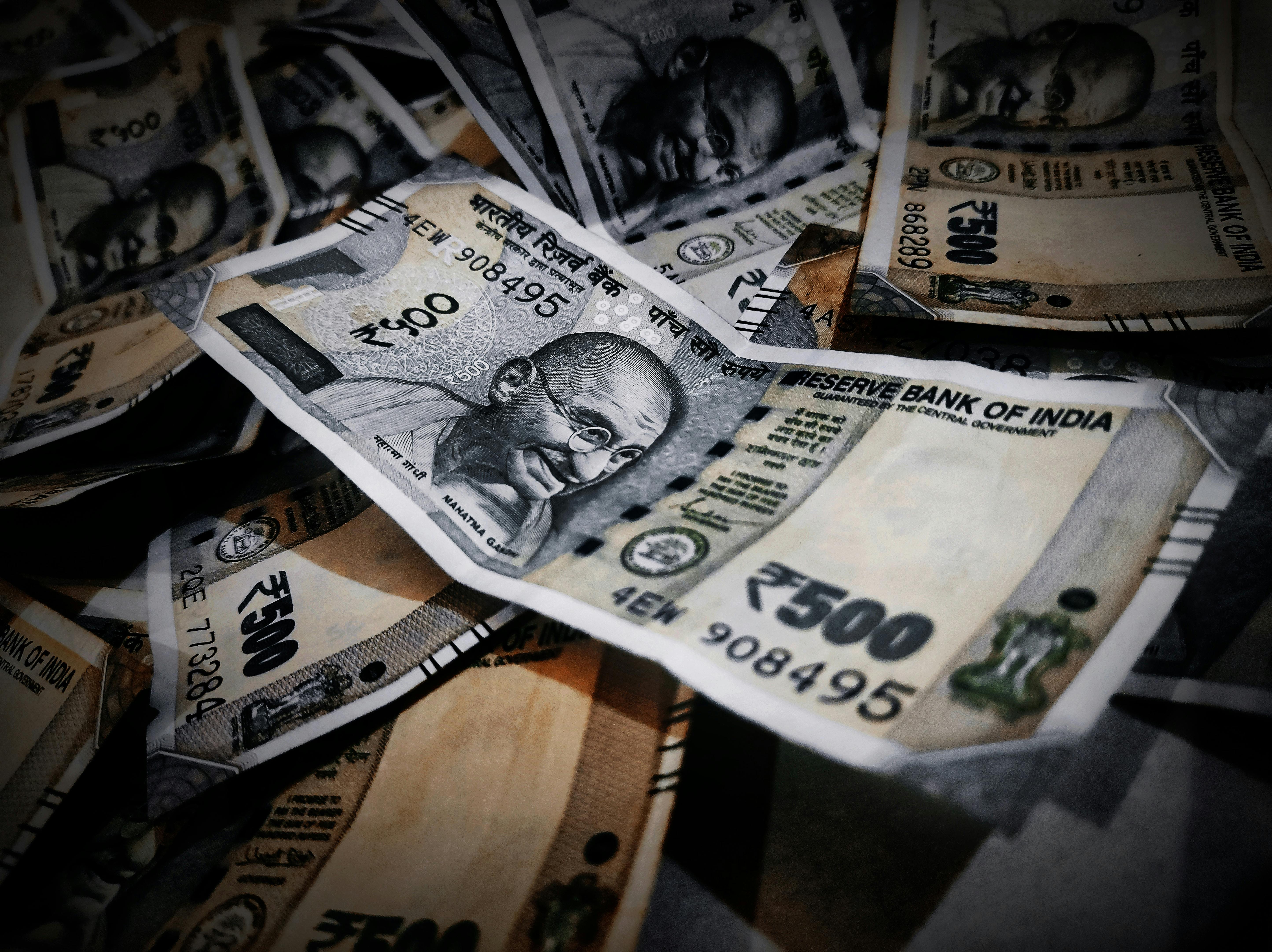
With the tax season now here, people have once again started consolidating their financial transactions for FY26. From investments to spending, EMI and more, every transaction needs to be accounted for while filing the upcoming income tax returns (ITR).
There are two popular tax regimes to file the ITR in India. These are the old and the new regimes. They have different tax slabs, rebates and exemptions, allowing salaries and business persons to choose their tax liability based on their spending and investment habits.
To simplify the tax system, the government has made changes in the FY26 cycle, making the new regime more streamlined. As part of this reform, the new regime now gets lower tax rates and higher rebates, effectively making income up to Rs 12 lakh tax-free. Salaried persons get another Rs 75,000 as a standard deduction, further turning this regime attractive. Compared to the old regime, it has almost no deductions but the process of filing the tax is much simpler.
On the other hand, the old regime comes with higher tax slabs but allows for many popular deductions on investments to reduce the tax liability.
Tax Slabs Old regime
Rs 2.5 lakh - Nil
Rs 2.5 lakh - to Rs 5 lakh - 5% above Rs 2.5 lakh
Rs 5 lakh - to Rs 10 lakh - Rs 12,500 + 20% above Rs 5 lakh
Rs 10 lakh or above: Rs 1,12,500 + 30% above Rs 10,00,000
Also Read | ONGC Shares Tumble More Than 3% On Weak Q4 — Check Target Price
New regime:
Up to Rs 4 lakh - Nil
Rs 4 lakh to Rs 8 lakh - 5% above Rs 4 lakh
Rs 8 lakh to Rs 12 lakh - Rs 20,000 + 10% above Rs 8,00,000
Rs 12 to 16 lakh - Rs 60,000 + 15% above Rs 12,00,000
Rs 16 to Rs 20 lakh - Rs 1,20,000 + 20% above Rs 16,00,000
Rs 20 to Rs 24 lakh - Rs 2,00,000 + 25% above Rs 20,00,000
Above Rs 24 lakh - Rs 3,00,000 + 30% above Rs 24,00,000
Deductions under both regimes:
The old and new tax regimes differ mainly in the deductions and exemptions available to taxpayers. Under the old regime, taxpayers could claim several deductions such as Section 80C investments up to Rs 1.5 lakh, House Rent Allowance (HRA), and health insurance benefits under Section 80D. In this case, the standard deduction is Rs 50,000.
In comparison, the new regime offers a higher standard deduction of Rs 75,000 but removes most common exemptions and deductions. However, some benefits are still available under the new regime, including employer contributions to NPS, housing loan interest on let-out property, among other things.
It is clear that for income up to Rs 12.75 lakh, the new regime makes more sense. But what about higher salaries? Here's a comparison of tax liability under both regimes for income of Rs 15 lakh, Rs 20 lakh, and Rs 25 lakh.
Tax liability on income of Rs 20 lakh:
Before deductions, a taxpayer has to pay Rs 4,13,400 under the old regime and Rs 1,92,400 under the new regime.
Also Read | Bankers Oppose RBI's 1-Hour Lag On Online Transfers Over Rs 10,000
Here's the total tax to be paid after deductions.
For example, Simran earns a salary of Rs 20 lakh annually and has several tax-saving investments and deductions. She does Rs 1 lakh investment under Section 80C, a medical insurance premium of Rs 30,000, home loan interest of Rs 2 lakh and a donation to a political party of Rs 2.75 lakh.
After reducing all these deductions from her Rs 20 lakh salary, her taxable income under the old regime comes down to Rs 13.50 lakh. However, even after lowering the taxable income so much, the total tax payable under the old regime becomes Rs 2,26,200, including 4% cess.
Under the new tax regime, most deductions are not allowed. However, taxpayers get lower tax slab rates.
Taxpayers get a higher standard deduction of Rs 75,000 under the new regime. So after reducing the Rs 75,000 standard deduction from her salary, Simran's taxable income under the new regime becomes Rs 19.25 lakh. Even though this taxable income is much higher than the old regime's Rs 13.50 lakh, the final tax payable is still lower.
Under the new regime, Simran pays a total tax of Rs 1,92,400 including cess, which is around Rs 33,800 less than the old regime.
Tax liability on income of Rs 15 lakh:
Those earning Rs 15 lakh annually, the tax liability before deductions under the old tax regime is Rs 2,57,400, while under the new tax regime it comes down to Rs 97,500. This means the taxpayer saves around Rs 1,59,900 under the new regime.
Tax liability on income of Rs 25 lakh:
Similarly, for taxpayers with an annual income of Rs 25 lakh, the tax liability before deductions under the old regime stands at Rs 5,69,400, while under the new regime it falls to Rs 3,19,800. This saves the tax savings of nearly Rs 2,49,600 under the new tax regime.
Essential Business Intelligence, Continuous LIVE TV, Sharp Market Insights, Practical Personal Finance Advice and Latest Stories — On NDTV Profit.