A business built around agricultural waste is helping two women entrepreneurs combine environmental responsibility with commercial success. Sanjana and Sonika, the founders of SSAR Biomass Green Pvt., have turned discarded paddy straw into clean-burning biofuel pellets, building a company with an annual turnover of Rs 7-8 crore.
The company was established in 2024. Sanjana comes from Ghoranwali village in Haryana's Sirsa district, while Sonika belongs to Bhadra in neighbouring Rajasthan. Their decision to enter the biomass sector was influenced by the recurring pollution crisis that follows the paddy harvesting season.
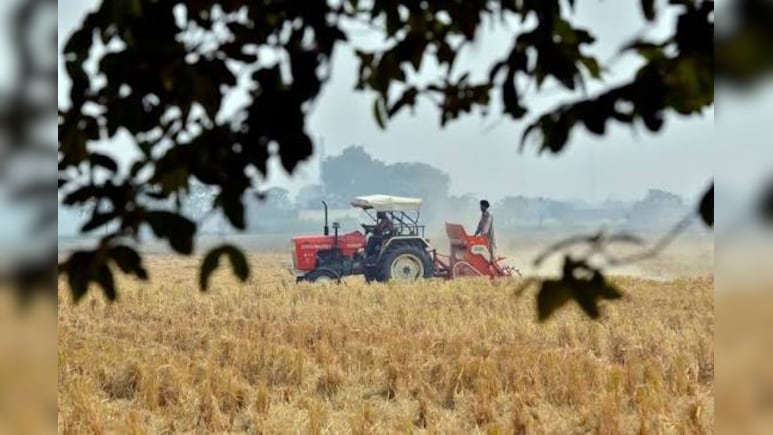
Every year, farmers across North India burn leftover stubble to clear their fields for the next crop, releasing large amounts of smoke into the atmosphere. The two entrepreneurs saw an opportunity to address this problem by giving agricultural residue an economic purpose.
Also Read | Layoffs Are Rising In Tech, But These Skills Are Helping People Unlock Better Pay
ALSO READ: Satya Nadella Reveals the Fitness Habit He Has Followed for 25 Years
The entrepreneurs set up their manufacturing unit in Ghoranwali with an initial investment of around Rs 2.5 crore, raised through the government's Agriculture Infrastructure Fund (AIF) scheme.
Their operations begin with the collection of paddy residue, commonly called parali, from nearby agricultural areas. Local baler operators gather the loose straw and compress it into bundles, making it easier to transport to the factory.
Once the raw material reaches the facility, specialised equipment converts the compressed stubble into dense biofuel pellets. These are then supplied to power plants, where they serve as an alternative fuel for electricity production. The factory currently handles between 1 lakh and 1.5 lakh quintals of paddy residue every year.
Since paddy straw is available only for a limited period after harvesting, the company follows a procurement model that separates raw material collection from manufacturing. Sanjana and Sonika arrange for large quantities of parali to be collected and stored during the harvest season. The stockpile allows the factory to maintain production even when fresh agricultural residue is no longer available.
The business has also created employment opportunities in the region. More than 20 people from nearby villages work directly at the facility, while baler operators and transporters across Sirsa and neighbouring areas benefit from the company's procurement and logistics requirements.
By creating a commercial market for crop residue, the founders have given farmers an alternative to burning unwanted straw. Their venture has brought together waste management, cleaner fuel production and rural livelihoods. The duo now plans to scale up operations in future harvest seasons, encouraging more farmers to sell their stubble rather than burn it.
Essential Business Intelligence, Sharp Market Insights, Practical Personal Finance Advice, Daily Fuel, Gold and Silver Prices, Watch Business News Live and Latest Stories — On NDTV Profit.