- SpaceX shares fell over 3% after joining the Nasdaq 100 Index despite pre-inclusion rally
- The stock declined amid profit booking, underperforming the broader technology sector
- SpaceX retreated more than 18% from its record high but trades above its $135 IPO price
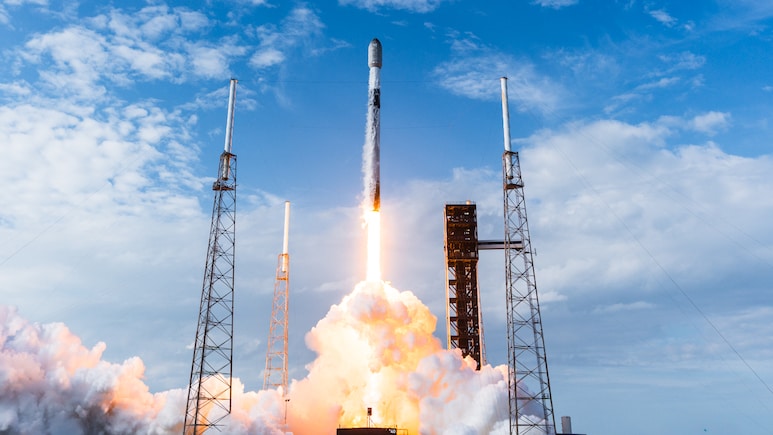
SpaceX shares fell more than 3% on Tuesday despite joining the Nasdaq 100 Index, as investors booked profits after a sharp pre-inclusion rally, signalling that much of the expected passive fund buying had already been priced in.
The stock declined more than 3% in early trading, underperforming the broader technology sector even as its inclusion in the benchmark index marked a major milestone following its blockbuster initial public offering.
Index additions typically trigger demand from passive funds tracking the Nasdaq 100. However, analysts said the stock's strong run-up ahead of the index rebalancing had already factored in much of that expected buying.
Also Read | Layoffs Are Rising In Tech, But These Skills Are Helping People Unlock Better Pay
ALSO READ: SpaceX Joins Nasdaq 100 Days After Blockbuster IPO: Should You Buy, Sell Or Hold?
The weakness comes after SpaceX retreated more than 18% from its record high of $192.80. The stock closed 1% lower at $160.42 in the previous session and has lost more than 6% over the past five trading days. Even so, it continues to trade comfortably above its IPO price of $135 per share.
Despite the recent pullback, Wall Street remains overwhelmingly constructive on the stock.
According to Bloomberg data, 28 of the 34 analysts covering SpaceX recommend buying the stock, while five have a 'hold' rating and only one recommends selling.
Several global brokerages also maintain bullish views. Morgan Stanley, JPMorgan and Wells Fargo have assigned 'overweight' ratings, while Bernstein, RBC Capital, Wedbush and William Blair rate the stock as 'outperform'. The Bloomberg-compiled average 12-month price target of $236 implies an upside of more than 47%.
SpaceX made a strong market debut after listing in the US, opening at $150 per share, an 11% premium to its IPO price of $135.
The company raised about $75 billion through the IPO by selling 555.6 million shares at $135 each, according to a company statement. The offering was more than four times oversubscribed, underscoring strong investor demand for one of the year's most closely watched listings.
ALSO READ: Elon Musk Unveils Grok 4.5 Private Beta, Claims AI Rivals Claude Opus
The IPO also eclipsed the size of Saudi Aramco's $29.4 billion listing in 2019, making it the largest public offering on record.
Following SpaceX's listing, Elon Musk briefly became the world's first trillionaire before slipping below the mark. He regained trillionaire status on June 30 after renewed gains in SpaceX and Tesla shares added significantly to his net worth.
Essential Business Intelligence, Sharp Market Insights, Practical Personal Finance Advice, Daily Fuel, Gold and Silver Prices and Latest Stories — On NDTV Profit.