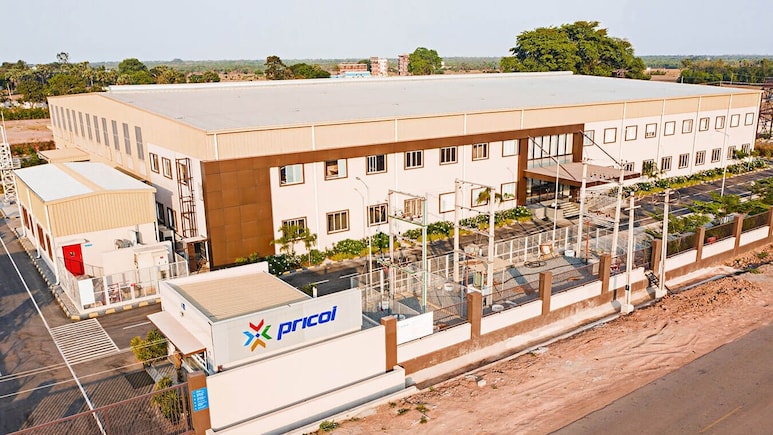
- Pricol's stock fell 17% after announcing a deal with Warburg Pincus to sell part of its business
- The deal involves a demerger and mirror listing of Pricol's automotive electronics division
- Promoters will sell their entire 38.51% stake in the demerged entity directly to Warburg Pincus
Pricol's deal announcement to sell a part of their business to Warburg Pincus in a structured transaction has dealt a body blow to the stock price of Pricol which has slumped 17% since Nov. 16 wiping out around Rs 1,500 crore in market value. Transaction involves Mohan family promoter group securing a direct cash exit in a structured deal encompassing demerger and mirror listing of the business division which accounts for more than half the revenue stream for the listed company Pricol.
The Fundamental Divide: Who Gets What?
Tax and M&A experts point out that while both a slump sale and a demerger achieve the same operational outcome, separating a business vertical from a listed entity - their commercial mechanics and beneficiaries are poles apart.
Also Read | Layoffs Are Rising In Tech, But These Skills Are Helping People Unlock Better Pay
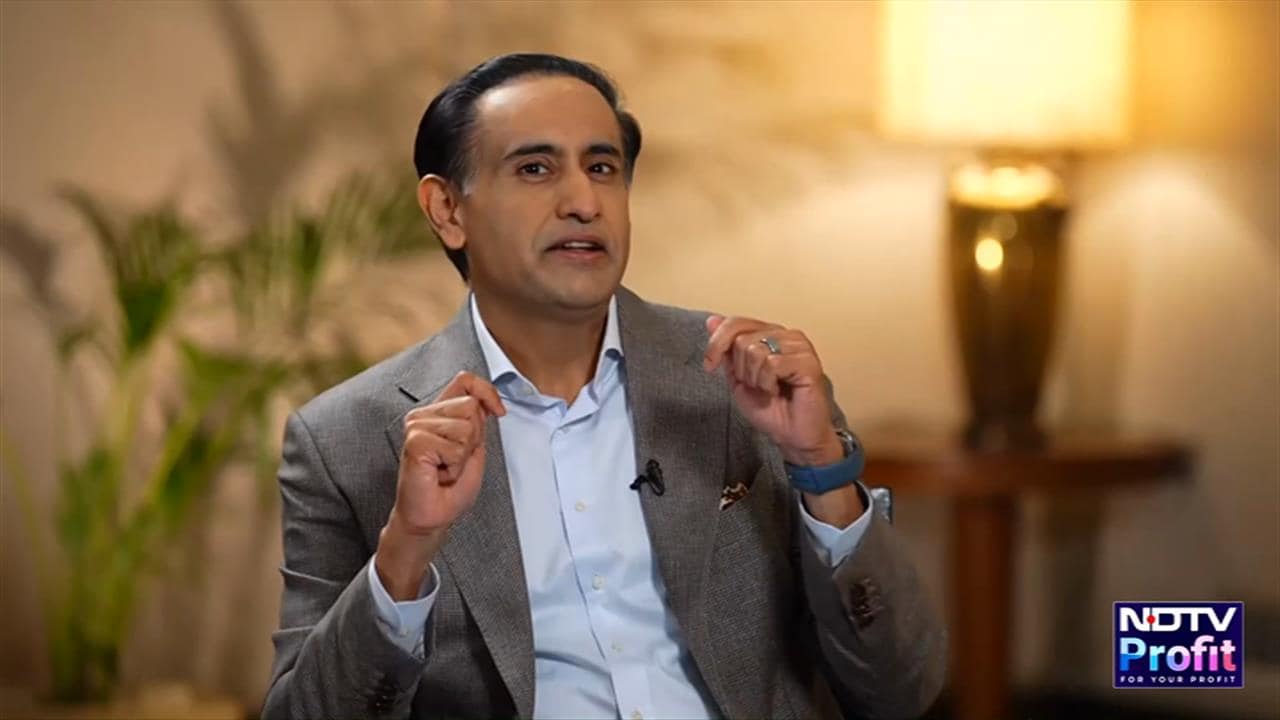
"Commercially, both are very different transactions, whether you do a slump sale or a demerger. The only thing common is that the listed company is parting with a particular division," explained Ajay Rotti, founder and CEO of Tax Compaas. "In a slump sale, the seller—the listed company—gets the cash and the buyer walks away with the business. Companies resort to a slump sale when they want to use the cash to service or retire debt, expand into other areas, or distribute the proceeds as a special dividend to all shareholders."
In a demerger, however, the listed company executes a vertical split into two separate entities without receiving any cash consideration. Instead, shares of the newly carved-out company are allotted directly to the parent firm's existing shareholders, enabling a direct listing on the stock exchanges under SEBI's scheme-of-arrangement relaxation norms.
"In a demerger, the company selling the business does not get consideration; the consideration passes to the shareholders," Rotti noted. "So the difference is really who gets the consideration. In a slump sale, the company selling gets it; in a demerger, the shareholders get it."
A Direct Exit For One Shareholder Group
In Pricol's case, the vertical demerger is coupled with a pre-agreed share purchase agreement (SPA) under which the Mohan family will sell its entire 38.51% stake in the demerged entity, Pricol Autotech Ltd, directly to Warburg Pincus upon listing.
Uday Ved, partner at KNAV, noted that pairing a demerger with an immediate promoter SPA creates a scenario where the direct cash monetization accrues exclusively to one shareholder group, the promoters, while the listed parent gains nothing financially.
"There are two separate arrangements here: the company getting the money versus shareholders getting it. In the structure currently announced, it is clearly the promoter, the largest shareholder, who is getting an exit out of it, while the company is not gaining anything," Ved said.
Still, Ved pointed out that public shareholders are not necessarily left empty-handed, as they receive mirror shareholding in the spun-off entity and an exit window via Warburg Pincus's subsequent open offer. "Even though the company is not gaining cash, minority shareholders hold shares in both the existing company and the new entity, and the market will take care of the pricing. Practically, one promoter is being replaced by another promoter or a large institutional investor," he added.
READ | Warburg Pincus Completes Rs 1,200-Crore Acquisition of Integrace Health; Temasek, True North Exit
When a listed company parts with its crown-jewel business, accounting for 60% of its consolidated revenue, the investors typically expect the parent company's balance sheet to swell with cash. Yet, as auto component maker Pricol Ltd prepares to hand over control of its automotive electronics division to global private equity giant Warburg Pincus, buyout proceeds will not flow into Pricol Ltd's coffers.
Pricol-Warburg Deal Structure
Under the scheme of arrangement approved by Pricol's board on June 27, 2026, Pricol is spinning off its Driver Information and Connected Vehicle Solutions (DICVS) business—which manufactures instrument clusters, telematics, sensors, and e-cockpit solutions, into Pricol Autotech. In FY26, the DICVS division generated approximately Rs 2,400 crore, or 60% of Pricol's consolidated revenue.
Eligible shareholders of Pricol Ltd will receive one equity share of Pricol Autotech for every share held in the parent company. Once Pricol Autotech lists on the NSE and BSE, the Mohan family will offload its entire 38.51% stake to Warburg Pincus. Following this transfer, Warburg Pincus will launch a mandatory open offer to acquire up to an additional 26% stake from public shareholders under SEBI takeover norms, cementing its position as the largest shareholder.
Meanwhile, Pricol Ltd will retain its Actuation, Control and Fluid Management Systems (ACFMS) business and its polymer unit (housed under wholly owned subsidiary Pricol Precision Products Pvt Ltd), both continuing under the ownership and management of the Mohan family.
READ | Lock-Ins To Price Bands: SEBI Sets Up Panel To Review IPO, QIP, Preferential Issue Rules
The SEBI Lock-In Debate
Beyond the commercial debate over cash flows, the deal has also sparked differing views among experts on whether SEBI's post-demerger lock-in norms could complicate the promoters' immediate stake sale upon listing.
Rotti flagged that SEBI regulations governing unlisted entities seeking a direct listing via a court- or NCLT-approved scheme require promoter shares up to 20% of the post-demerger paid-up capital to be locked in for three years, unless the post-demerger shareholding pattern remains identical to that of the listed parent.
Ved, however, contended that IPO-style lock-in restrictions should not apply to a listing executed through a demerger scheme. He noted that exemption Condition (c) under SEBI norms should allow the Mohan family to transfer its shares to Warburg Pincus, particularly as the definitive agreements appear to have been inked prior to the scheme being filed with the National Company Law Tribunal (NCLT).
NDTV Profit's queries sent to Pricol & Warburg Pincus did not elicit any official comment.
Essential Business Intelligence, Sharp Market Insights, Practical Personal Finance Advice, Daily Fuel, Gold and Silver Prices and Latest Stories — On NDTV Profit.