- Wall Street futures fell after Fed's Waller advocated a 0.5% rate hike in December
- Waller expressed growing concern about inflation's direction and need for stronger action
- Markets moved with Treasury yields and dollar up; stocks and gold declined on comments
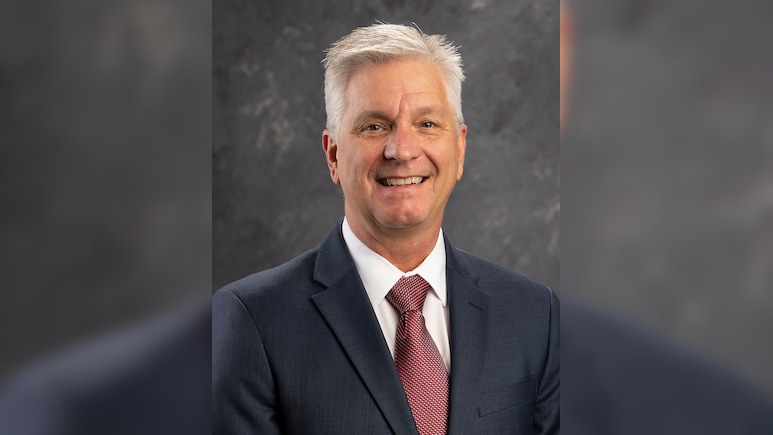
Wall Street futures gave up their gains after Federal Reserve Governor Christopher Waller called for a more aggressive approach to tackling inflation, suggesting the US central bank may need to deliver a half-percentage-point interest rate hike next month to bring rising prices under control.
Speaking to CNBC's Squawk Box on Wednesday, Waller said he was increasingly worried about the direction of inflation and argued that the Fed needed to act more forcefully rather than rely on gradual policy adjustments.
“I'm very, very concerned about inflation. It's kind of headed in the wrong direction, and it's spreading out,” Waller told CNBC's Steve Liesman. “If you really want to get it down, you've got to start taking more aggressive actions.”
Also Read | Layoffs Are Rising In Tech, But These Skills Are Helping People Unlock Better Pay
He went a step further, saying the central bank might have to “shock people” with the scale of its response.
According to CNBC, Waller said a 50-basis-point increase at the December 8-9 meeting of the Federal Open Market Committee was probably necessary. He also argued that the Fed should reverse the three quarter-point rate cuts it delivered in 2025 and could eventually need to tighten policy beyond those adjustments.
His comments triggered a shift across financial markets. Treasury yields and the US dollar moved higher, while stocks and gold came under pressure. The two-year US Treasury yield rose 4.1 basis points to 4.83%, reflecting growing concerns over the possibility of a more aggressive monetary tightening cycle.
According to CME Group's FedWatch tool, markets are currently pricing in a 25-basis-point rate hike at the December meeting, followed by another increase in January and at least one more move before the end of 2027.
Waller indicated that the Fed could opt for a smaller increase in December if policymakers clearly communicated their intention to raise rates again in January. However, if the central bank refrained from offering such guidance, he believed a 50-basis-point move in December would be necessary.
“If you're not going to signal this very clearly to markets, you're going in January, my view is then you have to go 50 (basis points) in December,” he said.
Waller's position, however, is not universally shared within the Fed. St. Louis Fed President Alberto Musalem has suggested that as many as four rate increases could be required by spring 2027, while some officials have favoured a more gradual approach.
ALSO READ: From $121 to $45: Can Fed Minutes Worsen Silver's 60% Collapse? Three Signals To Watch
New York Fed President John Williams struck a more cautious note, telling Axios that he did not believe the situation warranted dramatic action and that the central bank's recent approach was working.
The Fed raised interest rates for the first time in more than three years in September before holding them steady in October. Inflation has remained above its 2% target, with energy costs rising following US-Israeli strikes against Iran in late February and the lingering impact of tariffs adding to price pressures.
The FOMC is scheduled to release minutes from its October meeting later on Wednesday, offering further insight into policymakers' thinking on the inflation outlook and the future path of interest rates.
Essential Business Intelligence, Sharp Market Insights, Practical Personal Finance Advice, Daily Fuel, Gold and Silver Prices and Latest Stories — On NDTV Profit.