(Bloomberg View) -- In the movie "Groundhog Day," Bill Murray wakes up to Sonny and Cher singing "I Got You Babe" every morning at 6 a.m. as he repeats the same day ad infinitum. Hedge funds and related speculators experience a similar torture every time a Fed chairman lays out the economic and rate framework for Congress in semi-annual testimony.
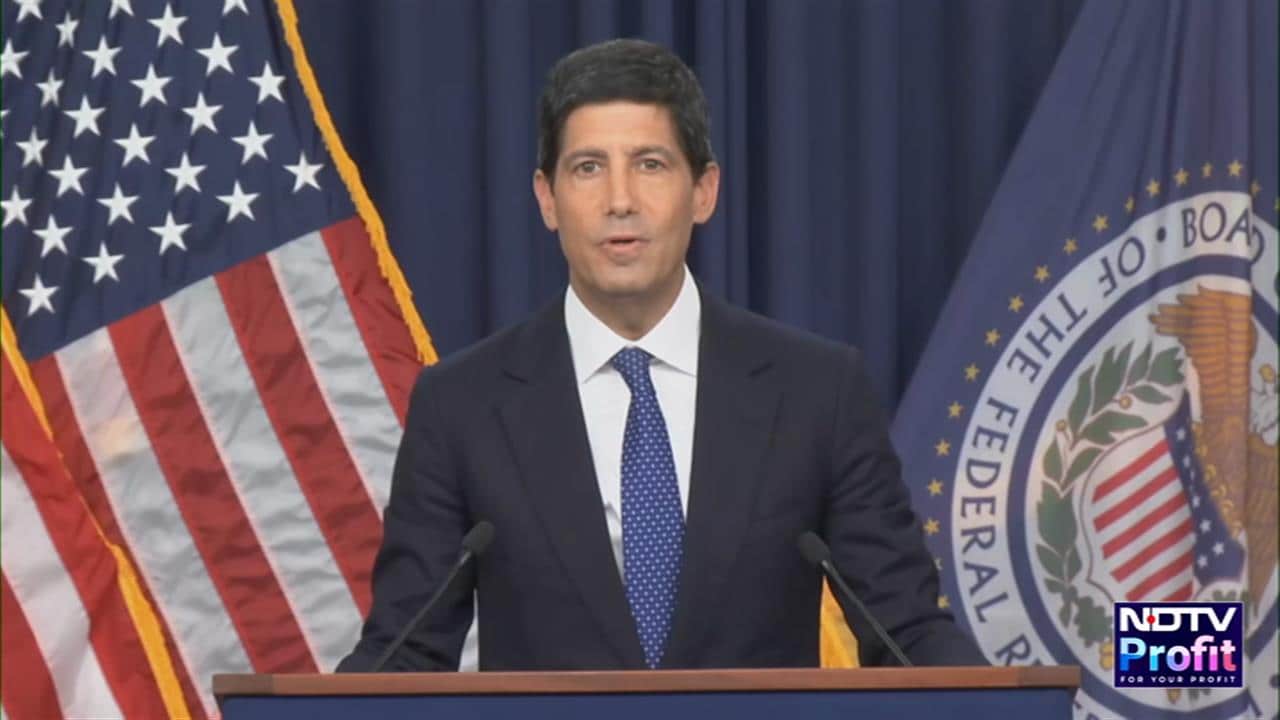
The words may change slightly, but the thrust is the same: The Fed confirms that the economy has healed from the damage inflicted by the worst recession since the Great Depression, and that the need for extreme accommodation in monetary policy is at an end. The latest iteration, under current Fed Chair Janet Yellen, was no different, keeping hedge funds in the same bearish bond trades favored since the U.S. election and predicated on the outlook for three interest-rate increases in 2017.
And yet, once again, the bears are suffering through a painful round of short-covering, as the market for U.S. Treasuries marches higher despite fundamental indicators suggesting the opposite should be happening.
Also Read | Layoffs Are Rising In Tech, But These Skills Are Helping People Unlock Better Pay
It's not that the so-called fast money is misreading the Fed. Instead, bets on higher rates are too obvious and the trade is way overcrowded. Although in previous years first-quarter Fed-hike bets proved premature as growth slowed and inflation flagged, this time the economy is moving from strength to strength, and the inflation data have surprised on the upside.
The Atlanta Fed's GDPNow model forecasts a healthy 2.5 percent annualized rate of growth, a sharp contrast with the dismal first-quarter readings of the past few years. Although that doesn't sound like gangbusters to the man in the street, in an economy where potential growth is often assumed to be well under 2 percent, such a pace will keep the labor markets tightening.
After yields exploded higher after the election, the bond markets have moved into an uneasy stasis. The fast money is sticking with its core view but cash that was sitting on the sidelines has flowed in, particularly from overseas investors seeking the historically high yields in the U.S. relative to what they can get in the euro zone. Yes, two-year Treasury yields at 1.17 percent are tiny, but they look downright juicy when compared with the punitive negative 0.93 percent offered on German notes of the same maturity.
The macro hedge funds that make their living trading interest rates have shown signs of impatience with the pace of the Trump administration's fiscal initiatives, especially the border-adjustment tax plan. If the Goldman Sachs Group Inc. alumni running the Treasury Department and the National Economic Council can't expedite the package, the case for faster inflation becomes less defensible and the Fed's forecast of three rate increases this year would be in doubt. Although Donald Trump promised again yesterday to spend "on infrastructure big," any delays could cause the bears to further unwind short positions against Treasuries.
So far, the short covering has been gradual and not enough to trigger a wholesale unwinding of positions. The passage of time favors the bears, because each day the Fed moves closer to raising rates. Even if it doesn't happen in March, it's not far away, and the costs associated with carrying with a short position become smaller.
Each time a rally in 10-year Treasuries pushes yields lower toward the 2.30 percent level, the market has found reasons to stall and then reverse -- like it did yesterday. The worrisome bit for bears is that the latest move higher has come without any fundamental reason and with a number of prominent bank analysts moving their first 2017 hike forecast to May from June.
Bond traders will be focused on speeches by Yellen and Fed Vice Chairman Stanley Fischer on March 3. It will be the optimal time for them to attempt to move market expectations of a rate hike by March 15 if they desire. Traditionally, a Fed tightening is unlikely if the market prices in odds going into the meeting of less than 60 percent. They ended at about 42 percent last week before moving up to 50 percent yesterday. Some traders are looking past the March conclave and focus on a move in either May or June.
If it proves to be the latter, even the die-hard bears will find it hard to pencil in three hikes this year. Until this Fed breaks free from its reputation for over-caution and finally calls time on extreme accommodation, the Treasury bears will wake up every morning with that same sinking feeling that Bill Murray had.
This column does not necessarily reflect the opinion of the editorial board or Bloomberg LP and its owners.
Scott Dorf is a managing director at Amherst Pierpont Securities. He has been selling and trading U.S. Treasuries for more than 30 years.
To contact the author of this story: Scott Dorf at sdorf7@bloomberg.net.
To contact the editor responsible for this story: Robert Burgess at bburgess@bloomberg.net.
For more columns from Bloomberg View, visit http://www.bloomberg.com/view.
Essential Business Intelligence, Sharp Market Insights, Practical Personal Finance Advice, Daily Fuel, Gold and Silver Prices and Latest Stories — On NDTV Profit.