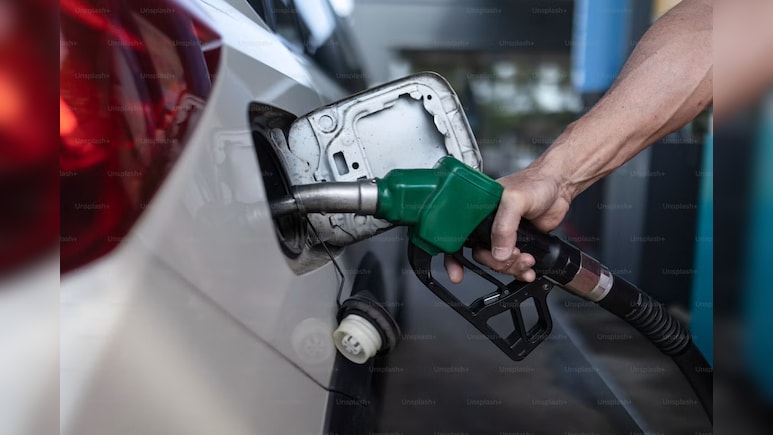
Global crude oil prices have receded as markets reacted to intense US-Iran diplomatic developments and shifting supply markets, with prices hovering between $92 and $108 per barrel (approx. Rs 9,020 to Rs 10,370).
The decline came on tentative signs of progress in talks between Washington and Tehran to reopen the Strait of Hormuz, the world's most critical energy shipping route. Optimism over the negotiations led US West Texas Intermediate (WTI) futures to drop roughly 2.3% to settle near $92 a barrel, marking their first weekly decline since late August as a sign of positive outcomes for traders.
ALSO READ: Khamenei Adviser Issues Ultimatum: If Iran Cannot Have Flights, No One In The Region Can
Also Read | Layoffs Are Rising In Tech, But These Skills Are Helping People Unlock Better Pay
Petrol prices on September 26
- Petrol price in Delhi: Rs 102.12/litre
- Petrol price in Kolkata: Rs 113.51/litre
- Petrol price in Mumbai: Rs 111.21/litre
- Petrol price in Chennai: Rs 107.77/litre
- Petrol price in Hyderabad: Rs 116.15/litre
- Petrol price in Bengaluru: Rs 111.68/litre
Diesel prices on September 26
- Diesel price in Delhi: Rs 95.20/litre
- Diesel price in Kolkata: Rs 99.82/litre
- Diesel price in Mumbai: Rs 97.83/litre
- Diesel price in Chennai: Rs 99.55/litre
- Diesel price in Hyderabad: Rs 104.23/litre
- Diesel price in Bengaluru: Rs 99.56/litre
Meanwhile, the oil market remains volatile as it is driven by geopolitical conflict, triggering the price above $100 a barrel amid fears of attacks on Saudi Arabian oil infrastructure and slow diplomatic progress on West Asia peace efforts. The current tentative talks between U.S. and Iranian officials on the sidelines of the UN General Assembly in New York, aimed at reopening critical energy shipping routes and unlocking supply paths, gave hope to traders.
Meanwhile, the Brent-WTI spread expanded to $12.68, reaching its widest gap since May. This divergence is largely fuelled by speculation surrounding a potential U.S. ban on diesel exports, which threatens to create a domestic oversupply and weigh on WTI prices relative to global benchmarks.
ALSO READ: Xi Touts Two More Meetings With Trump in 2026 At White House Tea
Despite global fluctuations, domestic retail fuel prices across India remained unchanged on Sept. 26. State-run oil marketing companies (OMCs) have kept pump rates frozen since May, balancing international crude volatility alongside local variations such as the rupee-dollar exchange rate, refining costs, taxation, and dealer margins.
Essential Business Intelligence, Sharp Market Insights, Practical Personal Finance Advice, Daily Fuel, Gold and Silver Prices and Latest Stories — On NDTV Profit.