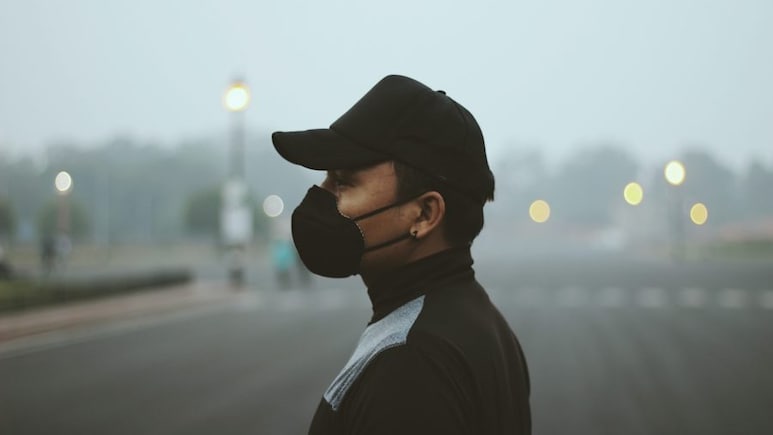
Delhi-NCR residents have received some relief from pollution restrictions, with the Commission for Air Quality Management (CAQM) withdrawing Stage III measures under the Graded Response Action Plan (GRAP), 10 days after their implementation.
The CAQM's sub-committee on GRAP announced the decision on Tuesday, citing an improvement in air quality across the capital. Delhi's daily average Air Quality Index (AQI) had fallen to 204, a significant improvement from readings above 400 recorded in the period after Diwali.
What Restrictions Remain In Place
The withdrawal does not mean all pollution restrictions have been lifted. Measures under GRAP Stages I and II will continue across the region, along with restrictions imposed under a separate CAQM order dated October 30.
Also Read | Layoffs Are Rising In Tech, But These Skills Are Helping People Unlock Better Pay
The October 30 order requires government and private offices in Delhi, Gurugram, Faridabad, Sonipat, Ghaziabad and Gautam Buddha Nagar to operate with up to 50% physical attendance, with the remaining employees working from home.
ALSO READ | Mumbai, Kolkata AQI Crosses 200; Check Air Quality In Delhi, Bengaluru And Other Cities
It also restricts dust-generating demolition and outdoor construction activities across NCR, with exemptions for essential infrastructure and specified projects. These measures were prescribed until November 20.
In a post on X, the commission said, "CAQM Sub-Committee on GRAP decides to revoke GRAP Stage III as daily AQI shows a downward trend, reaching 204 today." It also clarified that measures under the first two stages and restrictions under the October 30 order would remain in force.
How The Curbs Came About
Stage III restrictions were invoked on November 7, a day before Diwali, as air quality across Delhi and neighbouring cities deteriorated sharply.
Unfavourable meteorological conditions contributed to the deterioration. Low and shifting wind speeds, along with increased humidity in the lower atmospheric layers, limited the dispersion of pollutants and worsened air quality.
#CAQM Sub-Committee on #GRAP decides to revoke GRAP Stage III as daily #AQI shows a downward trend, reaching 204 today. All actions under GRAP Stages I & II and restrictions as per the order dt. 30.10.2026, shall remain in force: https://t.co/RGrh57xFQz
— Commission for Air Quality Management (@CAQM_Official) November 17, 2026
ALSO READ | Hazardous To Unhealthy: Check Air Quality Levels In Delhi-NCR, Mumbai And Other Cities
A Quick Turnaround
As recently as November 15, Delhi's air quality remained in the very poor category. The Central Pollution Control Board (CPCB) recorded a daily average AQI of 352 that day.
The city's 54 monitoring stations painted a similar picture. Readings at 47 stations were in the very poor category, while the remaining seven recorded severe pollution levels.
However, air quality improved considerably over the following two days, with the daily average AQI falling by nearly 150 points to 204 on November 17.
The sustained improvement prompted CAQM to withdraw Stage III restrictions, although measures under GRAP Stages I and II and the separate October 30 order continue to apply.
ALSO READ | Delhi Air Quality Slips Into 'Severe' Category As ITO Records AQI Of 415: CPCB Data
Essential Business Intelligence, Sharp Market Insights, Practical Personal Finance Advice, Daily Fuel, Gold and Silver Prices and Latest Stories — On NDTV Profit.