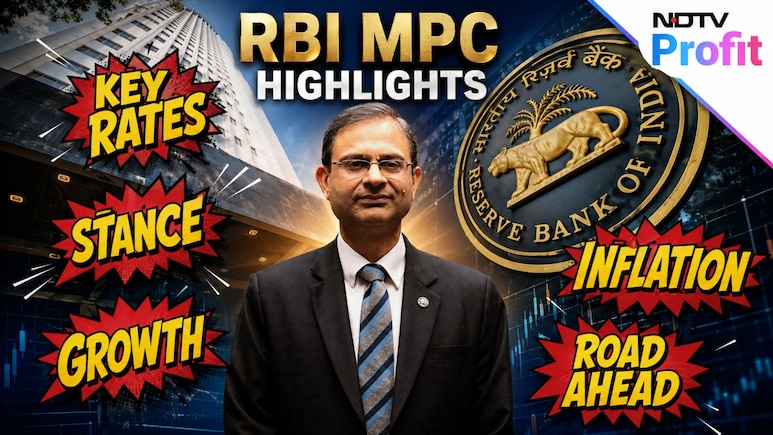
- RBI kept repo rate steady at 5.25%, maintaining current interest rates
- The central bank upheld a neutral policy stance amid global market uncertainties
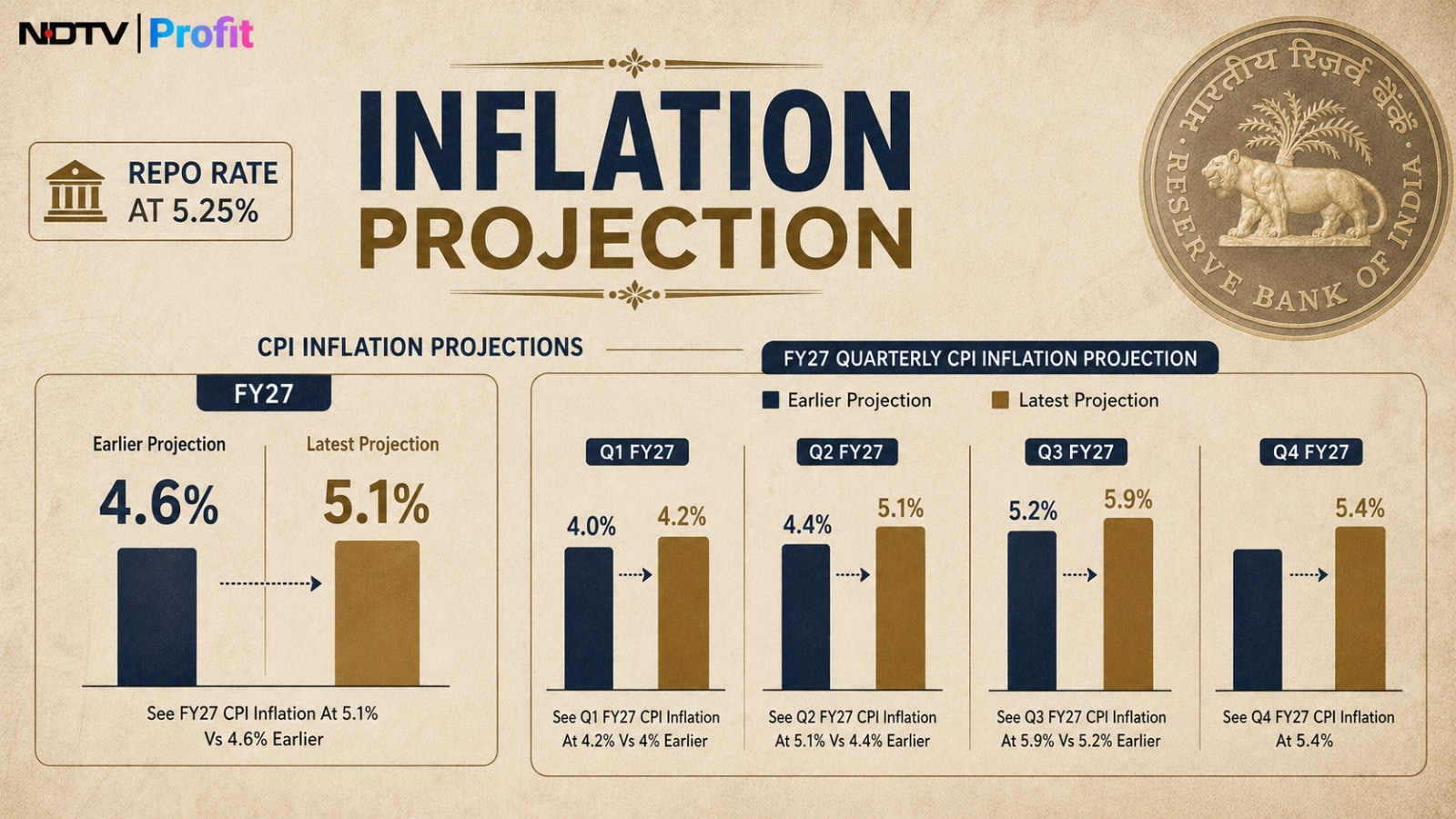
- Inflation forecast for FY27 raised to 5.1%, indicating increased inflation risks
The Reserve Bank of India (RBI) on Friday kept interest rates unchanged and reaffirmed its neutral policy stance, while turning cautious on the country's growth momentum even as it warned of rising global risks to inflation, liquidity and financial stability.
Here are the five key highlights from the policy announcement.
Rate Unchanged
The Monetary Policy Committee (MPC) unanimously voted to retain the repo rate at 5.25%, in line with market expectations. The Standing Deposit Facility (SDF) rate remains at 5%, while the Marginal Standing Facility (MSF) rate was kept unchanged at 5.5%.
Also Read | Layoffs Are Rising In Tech, But These Skills Are Helping People Unlock Better Pay
Stance Unchanged
Maintaining a neutral stance, the central bank emphasised the need to remain agile amid heightened uncertainty in global financial markets. The RBI flagged risks from supply chain disruption, energy prices reflected in lower growth and higher inflation.
Inflation Projection Raised
The CPI inflation for FY27 is now projected at 5.1%, which is a 50 bps jump from the central bank's previous forecast. MPC's inflation forecast has an upside bias. The risks of inflation are amplified, according to RBI Governor. G-sec yields are firmed up. Fuel inflation remained muted in March, April, while core inflation was stable at 3.7% in March-April, he noted.
Growth Projection Lowered
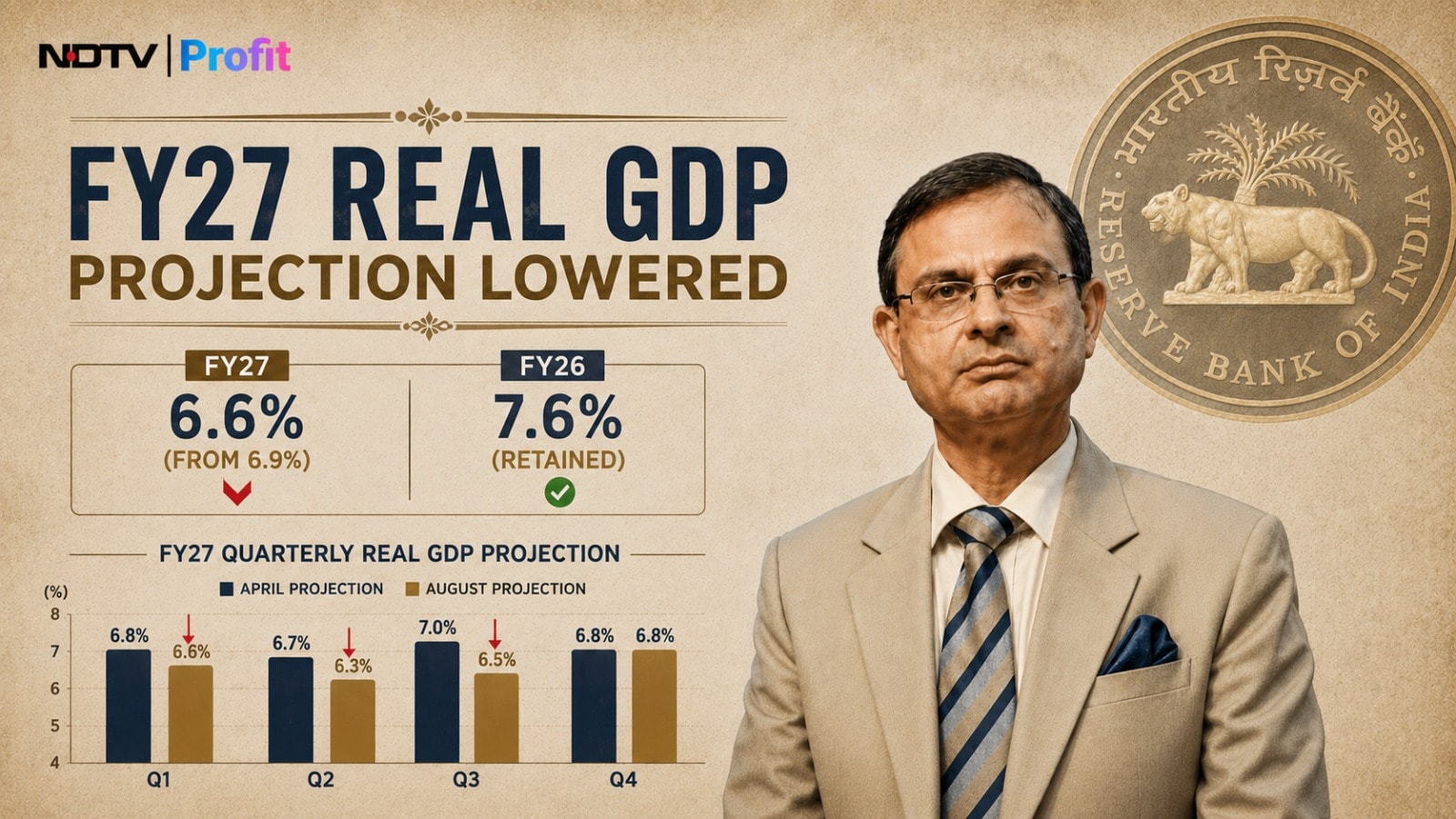
RBI Governor Sanjay Malhotra announced that the MPC now projects the real GDP growth projection for FY27 at 6.6% compared to 6.9% earlier. External factors post downside risks to growth outlook, according to Malhotra. High frequency indicators show domestic activity remained steady despite conflict.
The rise in energy price and supply disruption will weigh on economic activity. Malhotra explained that the RBI saw ''considerable risks'' in its assessment of both inflation and growth and will remain data-dependent while monitoring supply-side pressures.
RBI Joins Government In Courting FPIs
The RBI announced a set of measures aimed at boosting foreign currency inflows and strengthening external sector resilience.
First, the central bank is making it easier for foreign investors to invest in Indian government bonds by opening all newly issued 15-year, 30-year and 40-year government securities (G-Secs) to foreign portfolio investors.
Second, the RBI has introduced a facility to support External Commercial Borrowings (ECBs) raised by Central Public Sector Enterprises (CPSEs). For ECBs with maturities of three to five years, the RBI will bear the subsidy on hedging costs, reducing borrowing expenses and encouraging overseas fundraising. This window will remain available until September 30.
Third, authorised public sector banks will be permitted to raise Foreign Currency Non-Resident (Bank) [FCNR(B)] deposits with tenures of three to five years. This measure will also be available until September 30.
Essential Business Intelligence, Sharp Market Insights, Practical Personal Finance Advice, Daily Fuel, Gold and Silver Prices and Latest Stories — On NDTV Profit.