- India calibrated tariff cuts in its EU free trade deal to prioritize critical imports and domestic industries
- Faster duty elimination applies to urgent sectors like medical devices, with longer transitions for others
- The approach balances immediate import needs with time for local manufacturers to adjust production
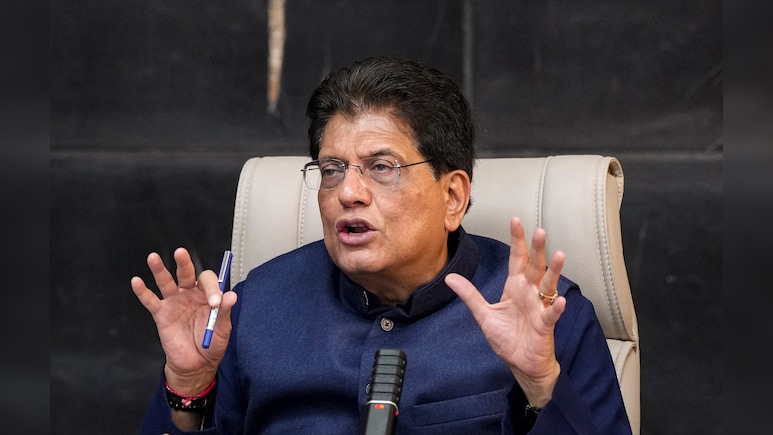
India has calibrated tariff reductions under its free trade agreement with the European Union to speed up access to critical imports while giving domestic industries time to adjust, Union Minister of Commerce and Industry Piyush Goyal said in an interview with NDTV.
Rather than a blanket opening of the market, India has prioritised faster duty elimination for goods it needs immediately, such as certain medical devices, while building transition periods for sectors that require adjustment, Goyal told NDTV's Vishnu Som in a televised interaction. The approach reflects how India intends to use trade agreements as part of its domestic manufacturing strategy, he said.
The comments come days after India and the European Union concluded negotiations on a long-awaited free trade agreement. While official statements have focused on trade volumes and tariff coverage, Goyal's remarks shed light on how New Delhi intends to sequence market access to balance imports with domestic production goals.
Also Read | Layoffs Are Rising In Tech, But These Skills Are Helping People Unlock Better Pay
ALSO READ: India-EU Free Trade Deal Explained: What Changes, What Gets Cheaper, And Which Sectors Get A Boost
Calibrated Openings
Goyal said India front-loaded tariff reductions only where imports directly support domestic priorities, including healthcare needs. Sectors where domestic manufacturers required time to adapt were given longer transition periods under the agreement, he said.
“In India, what we have done is calibrated it smartly,” Goyal said, adding that the agreement reflects different timelines based on sectoral readiness rather than uniform liberalisation.
The minister said the design ensures that Indian industry is not exposed to sudden competitive pressure while allowing consumers and essential sectors to benefit where imports add immediate value.
ALSO READ: EU-India Trade Deal: What's Next And What Could It Mean For Geopolitics?
Industrial Signal
The structure of the tariff schedule signals how India plans to align future trade agreements with industrial policy, according to Goyal. Rather than using trade pacts solely to expand exports, the government is embedding import sequencing into its broader manufacturing and supply-chain strategy.
Goyal said India remains focused on building domestic capacity even as it integrates more deeply with global markets. The European Union agreement, he said, reflects that balance.
Essential Business Intelligence, Sharp Market Insights, Practical Personal Finance Advice, Daily Fuel, Gold and Silver Prices and Latest Stories — On NDTV Profit.