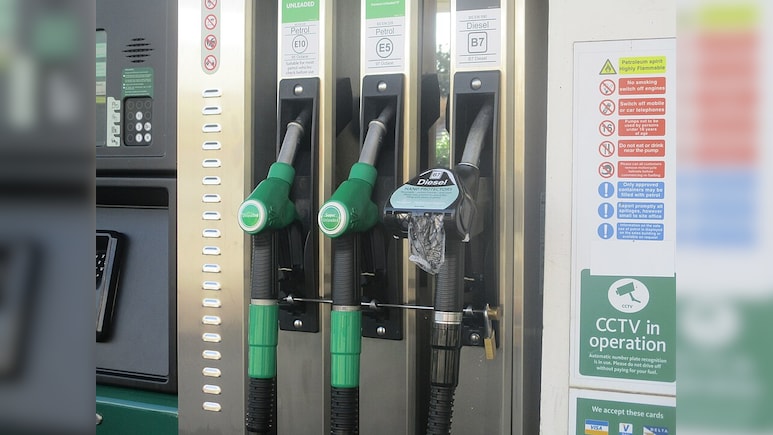
Fuel sales in Eurozone nations hit their lowest point since 2023 due to spike in gas prices, brought on by the West Asia crisis, the Financial Times reported citing Eurostat data on Monday.
The data shows that since April, gas prices have increased by an average of 13.6% throughout the European Union. Twelve EU nations had an average increase in diesel fuel prices of 33.7%, or one-third. Consequently, sales of vehicle fuel in the 21 European nations that make up the eurozone decreased by 3.5% in April when compared to the same month in 2025.

-
 India's Market Leaders To Decode The New Samvat At NDTV Profit Ignite In Mumbai On Oct 28
 -
 NDTV Profit IGNITE Diwali 2026: Top Market Veterans Decode Wealth Creation
 -
 The Week Ahead: Earnings Season, Fed Policy Verdict And Crude Oil In Focus
 -
 Silver Is Now Down From Rs 4.2 Lakh To Rs 1.9 Lakh: Where It Goes From Here
 -
 NDTV Ignite, The Trillion-Dollar Trajectory: India's Road to 2030
ALSO READ | FMCG Distributors Warn Of Nationwide Protest, Seek Higher Margins Amid Rising Costs
Also Read | Layoffs Are Rising In Tech, But These Skills Are Helping People Unlock Better Pay
During this time, fuel sales in the UK fell by 10%, while sales in Germany, Norway, and Austria had double-digit drops. European governments responded by allocating over 11 billion euros for measures aimed at regulating prices.
According to analysts the newspaper spoke with, nations that are currently attempting to lower prices through their own reserves may not be able to react to further worsening of the situation if energy prices keep rising.
According to estimates released last week as part of broader retail sales data, six European economies, including Germany, Norway, and Austria, saw double-digit drops in fuel sales over that time.
The energy shock brought on by the Middle East conflict, which interfered with shipping across the Strait of Hormuz, is connected to the price increase. Approximately one-fifth of the world's oil supply is used to cross the Strait.
Saudi Aramco, a Saudi oil company, declared on May 11 that the current energy crisis, which started in the year's first quarter, is "the largest in history."
ALSO READ | India Buying More Oil From Russia Vs November, Says Hardeep Puri; Allays Shortage Concerns
The numbers show that European consumers are beginning to adjust their behaviour in response to the energy shock caused by the Middle East conflict, which has interfered with shipping over the Strait of Hormuz. Approximately 25% of the world's oil supplies passed through the strait before the US and Israel started attacking Iran at the end of February, as per a report by the Financial Times.
There was evidence of drivers "conserving fuel after stocking up in March," according to Grant Fitzner, chief economist at the UK's Office for National Statistics. Retailers reported that drivers were making fewer trips and postponing refuelling while prices increased.
Essential Business Intelligence, Sharp Market Insights, Practical Personal Finance Advice, Daily Fuel, Gold and Silver Prices and Latest Stories — On NDTV Profit.