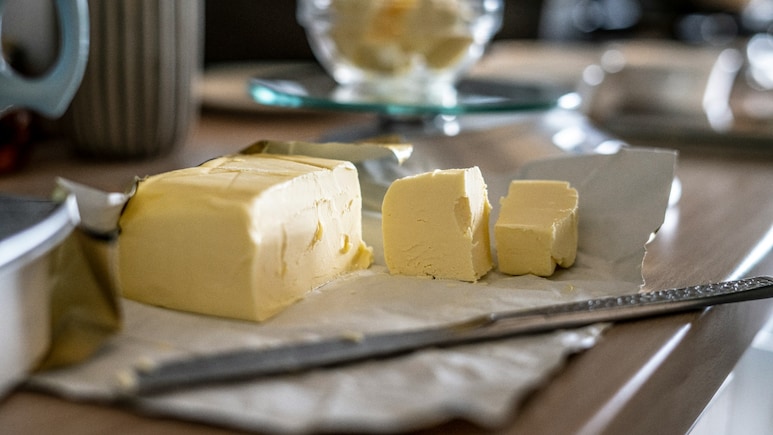
Butter, ghee and fresh cream prices in India could see further increases as dairy companies grapple with tightening milk-fat supplies, rising procurement costs, and depleted inventories.
Weak rainfall and inadequate green fodder have disrupted the seasonal increase in milk production, leaving dairies with less surplus milk to manufacture and stock high-fat products, according to a report by Mint on Nov. 28.
The shortage comes even as India remains the world's largest milk producer, highlighting a growing mismatch between overall milk availability and the supply of milk fat required for products such as butter and ghee.
Also Read | Layoffs Are Rising In Tech, But These Skills Are Helping People Unlock Better Pay
According to the government's Basic Animal Husbandry Statistics 2026, India's milk production increased 2.4% to 253.81 million tonnes in fiscal 2026, compared with 247.87 million tonnes in the previous year. However, the pace of growth has slowed from 3.58% in fiscal 2025 and remains below the 10-year compound annual growth rate of 5.41%.
Why Milk Fat Is Becoming Scarce
The seasonal winter increase in milk production has been weaker than expected, particularly in drought-affected Karnataka and Maharashtra. Limited green fodder, water shortages, and higher cattle-feed costs have affected milk productivity and procurement.
Amul, India's largest dairy cooperative, has reportedly seen its daily milk procurement decline around 15% from its usual 35 million litres. Distributors have also reported shortages of butter, ghee, and fresh cream, with some reporting that ghee supplies have remained unavailable for several months.
The changing composition of milk production is adding to the pressure. Buffaloes accounted for around 43% of India's milk production in fiscal 2025. Since buffalo milk has a higher fat content than cow milk, a shift towards cow milk can increase overall production without generating a proportionate increase in milk fat.
Also Read: Milk, Ghee, Soap, Cigarettes: India's Price Hike List Keeps Growing As Inflation Bites
Higher Procurement Costs Push Prices Up
Rising input costs are adding to the strain on dairy companies. Cattle-feed costs were 15-20% higher year-on-year in September, with maize, de-oiled rice bran cake, and soya-based ingredients becoming costlier.
The pressure is already visible in product prices. Ex-dairy butter prices increased 54.3% to Rs 537 per kg in October 2026 from Rs 348 per kg in October 2023. Skimmed milk powder prices, in comparison, rose 18% to Rs 295 per kg.
Milk procurement costs are expected to remain firm through fiscal 2027 if inventories remain depleted. A sustained recovery will depend on improved fodder availability, cattle nutrition, and milk productivity, while supply constraints could persist for the next few months.
Also Read: Amul Hikes Prices Across Ghee And Butter Variants By Up To Rs 50. Check Revised MRPs
Essential Business Intelligence, Sharp Market Insights, Practical Personal Finance Advice, Daily Fuel, Gold and Silver Prices, Watch Business News Live and Latest Stories — On NDTV Profit.