*This is in partnership with BQ Prime BrandStudio
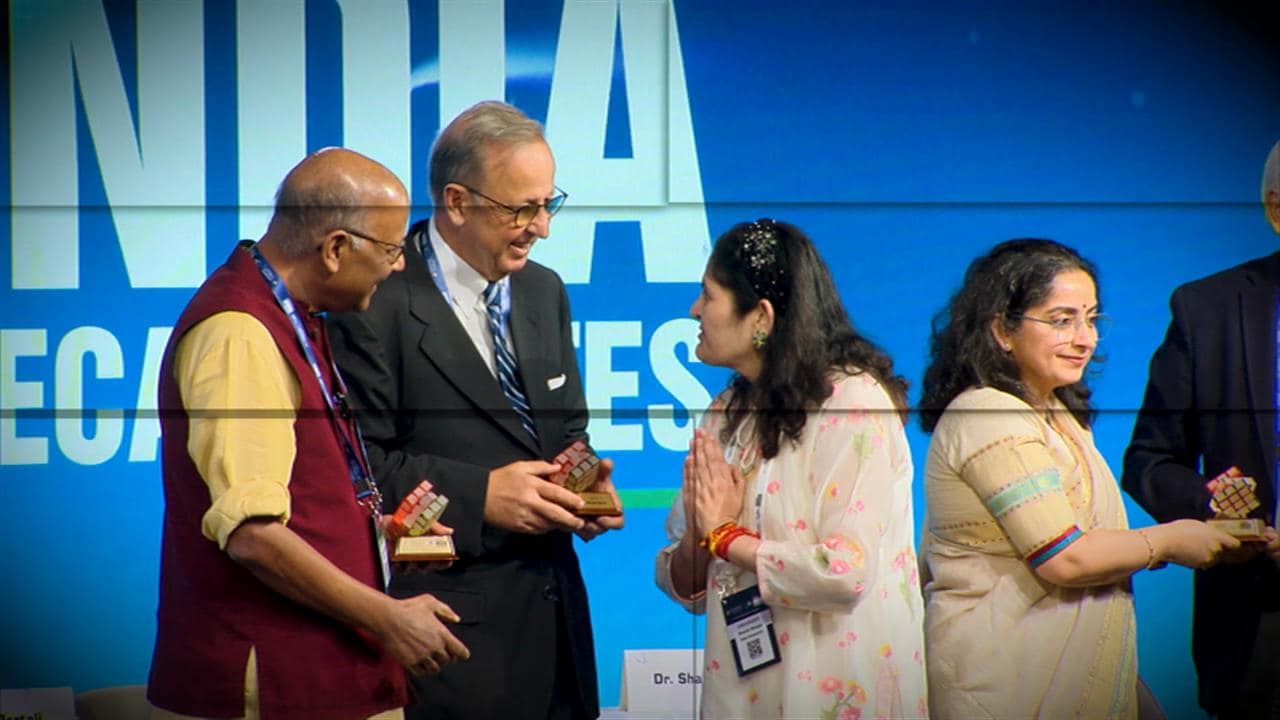
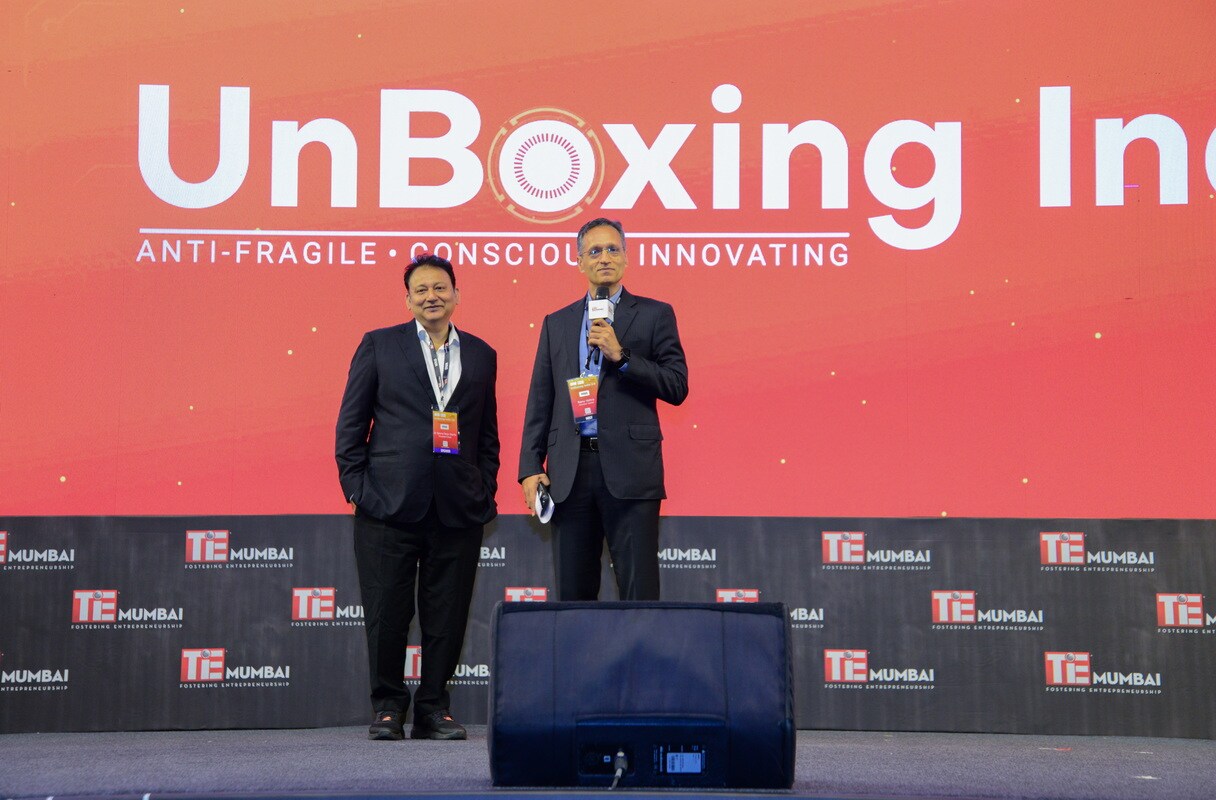
The 16th edition of TiEcon Mumbai, organised by TiE Mumbai—an organisation that supports entrepreneurs by offering education, mentorship, networking and funding opportunities—culminated with a call to build an “anti-fragile and sustainable India.”
TiEcon Mumbai brought together leaders from business, academia and civil society to discuss how to build an anti-fragile India. A range of issues were discussed, including how to build a more resilient Indian economy that can withstand shocks and stresses along with ways to create a more sustainable, inclusive society that offers balance and an equal opportunity to succeed.
The conference focused on ways to accelerate economic growth, drive more intelligent engagement, make conscious choices for a sustainable living and methods to empower sustainable business-building ideas. It also discussed how to promote innovation and entrepreneurship and ways to protect the environment.
The event featured more than 140 startups showcasing their products to demonstrate innovation in India, along with panel discussions, workshops and masterclasses on building growth products.
Eye On Startups
The Indian startup ecosystem—one of the drivers of the country's digital transformation—was a key focus area of the event. Leaders offered insights on how new businesses must leverage technology and artificial intelligence to deliver better customer experiences, why sustainability should be at the core of growth, how product and service differentiation are critical for raising venture capital, and Mumbai's potential as a future startup hub of India.
India is set to become a $5 trillion economy by 2027. It is rising as the knowledge and talent capital of the world, and has the third largest ecosystem of climate tech organisations. A healthy startup ecosystem—which promotes entrepreneurship, innovation and creativity—has been critical in the country's transition towards digital technologies.
Apoorva Sharma, president elect, TiE Mumbai, said, “As the country rapidly urbanises, it is also becoming a place of transition. Startups need to have a customer-centric approach, must learn to think differently and leverage tech, data and AI, for a competitive edge. VCs are looking to invest in founders who are passionate and have a differentiated product/service with expertise.”
BCG Launches Report On Startups
A report on the startup ecosystem was also launched by Boston Consulting Group at the TiEcon Mumbai. According to the report, India's funding environment has been resilient even in the face of macroeconomic headwinds. Compared with other markets, India has a higher share of investments in the Asia-Pacific region.
With an expected $7 trillion economy by 2030, multiple sectors will open up for startups with very sizeable total addressable market. The report identified more than 20 segments across B2B and B2C domains where opportunities exist for startups. With increased focus of enterprises on digitisation of supply chains and distribution, multiple opportunities are likely to open up across marketplaces, software-as-a-service, product and internet of things.
The report also highlighted macro trends important for Indian startups, highlighting the rise of generative AI and climate and sustainability. On the AI front, the report suggested that consumer segments like gaming, video, and edtech will fundamentally change, even as competition between incumbents and newer players will surface with the rise in B2B opportunities.
The report also suggested that climate and sustainability are other areas of opportunity for startups. The country has the third largest ecosystem of climate tech organisations, and the focus areas of the future will be electric mobility, clean energy transition, carbon tech and waste to value.
Key Takeaways
Leaders at the conference agreed that India has the potential to be an anti-fragile nation. The key to building an anti-fragile India is to work together and focus on resilience, inclusivity, innovation and environmental protection. The conference also had meaningful dialogues around ESG, net zero and green hydrogen, leading the pathway to tech-related startups.
Speaking about the event, Ranu Vohra, president of TiE Mumbai, said, “It was great to see the energy of the startup ecosystem at work at TiECon 2023. There were lively debates on Mumbai's roadmap to becoming the startup hub, Gen AI and its role in India and the opportunities, thus created. The session on funding availability held out promise that as the startups become ‘anti-fragile' and focus on unit economics and profitability, we should see a renewed increase in funding possibilities.”
Essential Business Intelligence, Sharp Market Insights, Practical Personal Finance Advice, Daily Fuel, Gold and Silver Prices and Latest Stories — On NDTV Profit.