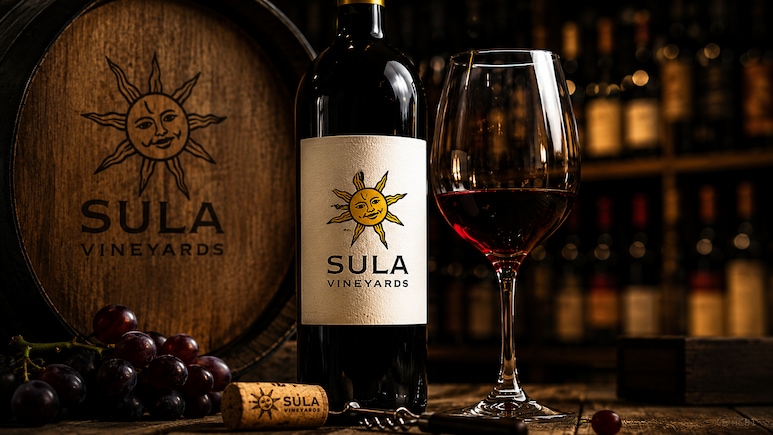
- India's cheap wine market relies heavily on discounts, risking producer survival, says Sula CEO
- Sula Vineyards avoids deep discount battles in lower-priced wines to protect profitability
- Premium wines now comprise 78% of Sula's sales, showing strong growth despite low-end pressure
India's cheap wine market has become so dependent on discounts that some producers may not survive, according to the country's largest wine maker.
Heavy price cuts and buy-one-get-one offers are hurting profitability in lower-priced wine categories even as premium wines continue to grow, suggesting Indian consumers are splitting into two groups — bargain hunters at the lower end and higher-income buyers willing to spend more.
"The level of discounting is, I would say, unsustainably high for the industry," Rajeev Samant, founder and chief executive officer of Sula Vineyards, said during the company's earnings call.
Also Read | Layoffs Are Rising In Tech, But These Skills Are Helping People Unlock Better Pay
"At this kind of level of discounts, I would not be surprised if there are some casualties among the industry," he said.
The comments underscores a broader shift in consumer behaviour, where Indian shoppers increasingly expect deals across categories ranging from food delivery and fashion to travel and alcohol. The pressure appears strongest in lower-priced wines, where companies compete aggressively on discounts to drive sales.
ALSO READ: Young Indians No Longer Want Alcohol To Taste Like Alcohol
The BOGO Problem
Samant said Sula has avoided matching rivals on discounting and continues to command what he called a "brand premium" in the market.
The company said lower-priced wines have become highly price-sensitive, with consumers focused more on offers than labels.
"When you're talking about wines at Rs 300, Rs 400, Rs 500, that is not a battle that we want to get into and fight very hard because the profitability is very limited there," Samant said.
"It's characterised by BOGO, buy one, get one. That's basically what it's all about," he said.
Sula also said it plans to raise prices selectively this year as packaging costs rise because of the West Asia conflict. However, the company intends to avoid steep price increases on wines priced above Rs 1,200 a bottle ahead of expected duty cuts on European imports.
India's Two Wine Buyers
The pressure in cheaper wines comes even as Sula reported continued growth in its higher-priced labels.
The company said premium and elite wines made up 78% of sales in the fourth quarter, up from 75% in the previous quarter.
Sula said labels such as The Source and RASA posted double-digit growth during the quarter, while newer launches including Moscato and Pinot Noir sold out during the year.
At the same time, the company acknowledged that demand at the lower end of the market remains weak and heavily dependent on pricing.
The company said it does not plan to compete aggressively in lower-priced wines because profitability in those categories remains limited.
ALSO READ: Gen Z Keeps Asking For Something New. That Is Changing India's Drinks Market
Vineyard Weekends
While the company continues to expand its wine business, Sula is increasingly leaning on tourism and experiences for growth.
Revenue from wine tourism rose 17% in the fourth quarter, helped by higher footfalls, resort bookings and events. The company crossed Rs 100 crore in annual wine tourism revenue for the first time in FY26, according to management commentary.
Sula said recent editions of SulaFest sold out, with visitors continuing to arrive at the venue even after tickets were exhausted. The company is now expanding the amphitheatre capacity at its Nashik property to accommodate more attendees.
The company is also expanding its hospitality business with new resorts, tasting rooms and event spaces as it bets on rising demand for travel and experience-led spending.
Essential Business Intelligence, Sharp Market Insights, Practical Personal Finance Advice, Daily Fuel, Gold and Silver Prices and Latest Stories — On NDTV Profit.