- Ministry of Road Transport and Highways introduces new overload penalty rules from April 15.
- Tiered fines replace flat penalties, with no charge for up to 10% excess load.
- Higher overloads face double or four times toll, colle
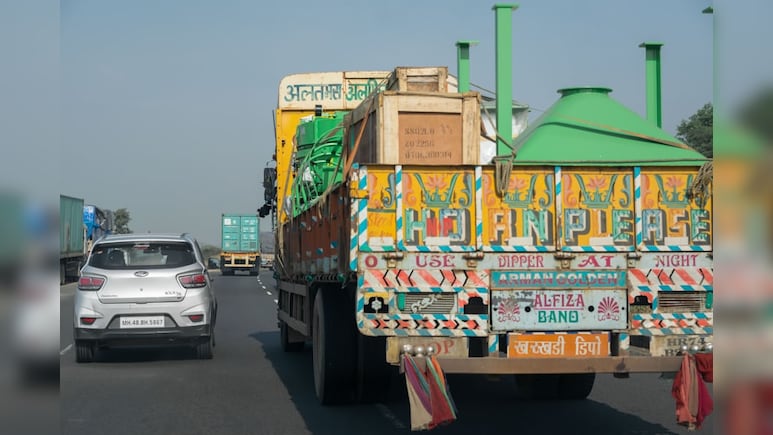
The Ministry of Road Transport and Highways (MoRTH) has notified new regulations., introducing a rationalised penalty structure for overloaded vehicles, which come into effect from April 15.
Under the amended Rule 10 of the National Highways Fee (Determination of Rates and Collection) Fourth Amendment Rules, 2026, the government has introduced a fee system based on the percentage of excess load, moving away from a flat penalty approach.
The government has provided a breather for minor weight discrepancies by exempting vehicles carrying up to 10% excess load from any financial penalties.
Also Read | Layoffs Are Rising In Tech, But These Skills Are Helping People Unlock Better Pay
However, a strict deterrent has been established for heavier violations. Transport vehicles found with an overload between 10% and 40% will be required to pay twice the base toll rate.
Meanwhile, those exceeding the 40% threshold will face a steep penalty of four times the standard fee.
ALSO READ: Centre Says Auto Manufacturers Have Not Reported Critical LPG Supply Crunch
This rationalised approach aims to prioritise safety and infrastructure longevity of NHs while reducing harassment for small-scale weight variances.
FASTag and other notified electronic payment systems will be the method of collection for overload charges on vehicles using national highways. Vehicles entering National Highways without a valid FASTag will attract applicable provisions under existing rules, the notification stated.
Enforcement will rely exclusively on certified Weigh-in-Motion (WIM) systems or static weighbridges installed at fee plazas. The total weight of the vehicle (including cargo, fuel, and passengers) will be measured against the Gross Vehicle Weight (GVW) specified in the vehicle's Registration Certificate (RC).
The overload fee is exempt if the fee plaza has no weighment facilities, and only the standard toll will be charged.
To ensure long-term compliance and data transparency, the Ministry has mandated that the details of all overloaded vehicles, including specific excess load data, be automatically recorded and reported to the VAHAN database.
ALSO READ: Passenger Vehicle Dispatches Rise 16% To 4.42 Lakh Units In March: SIAM
Essential Business Intelligence, Sharp Market Insights, Practical Personal Finance Advice, Daily Fuel, Gold and Silver Prices and Latest Stories — On NDTV Profit.