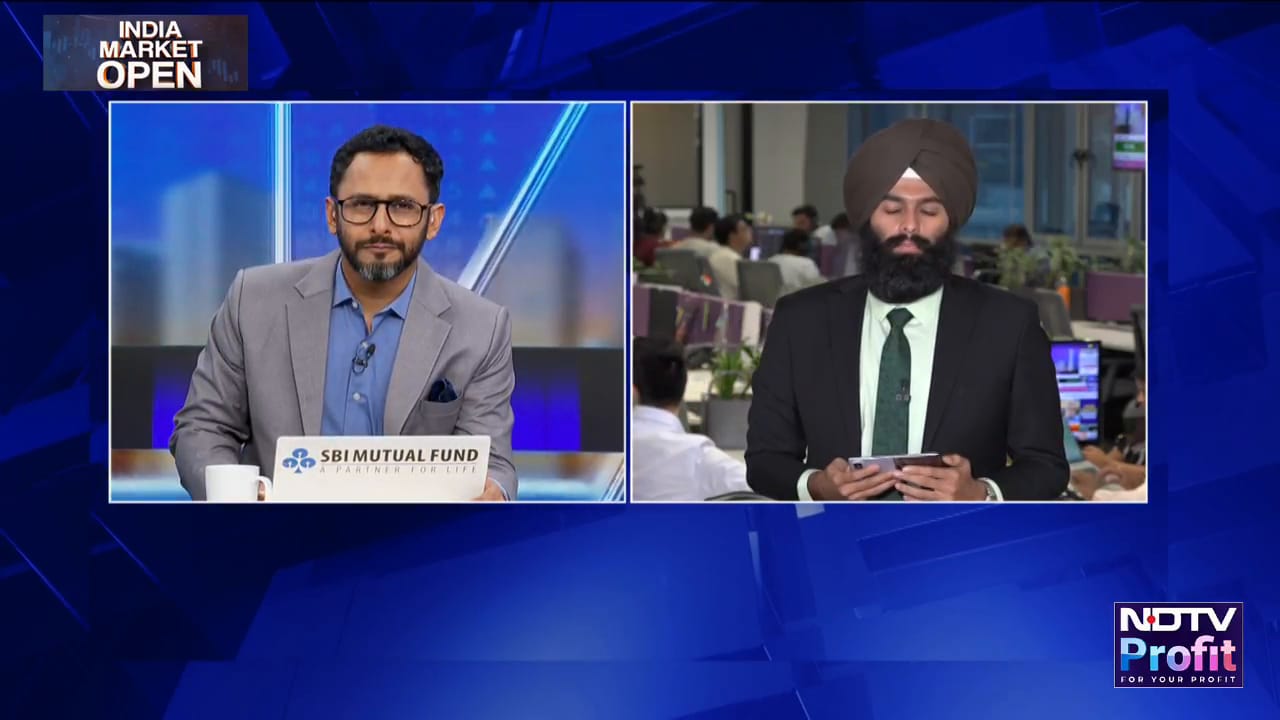
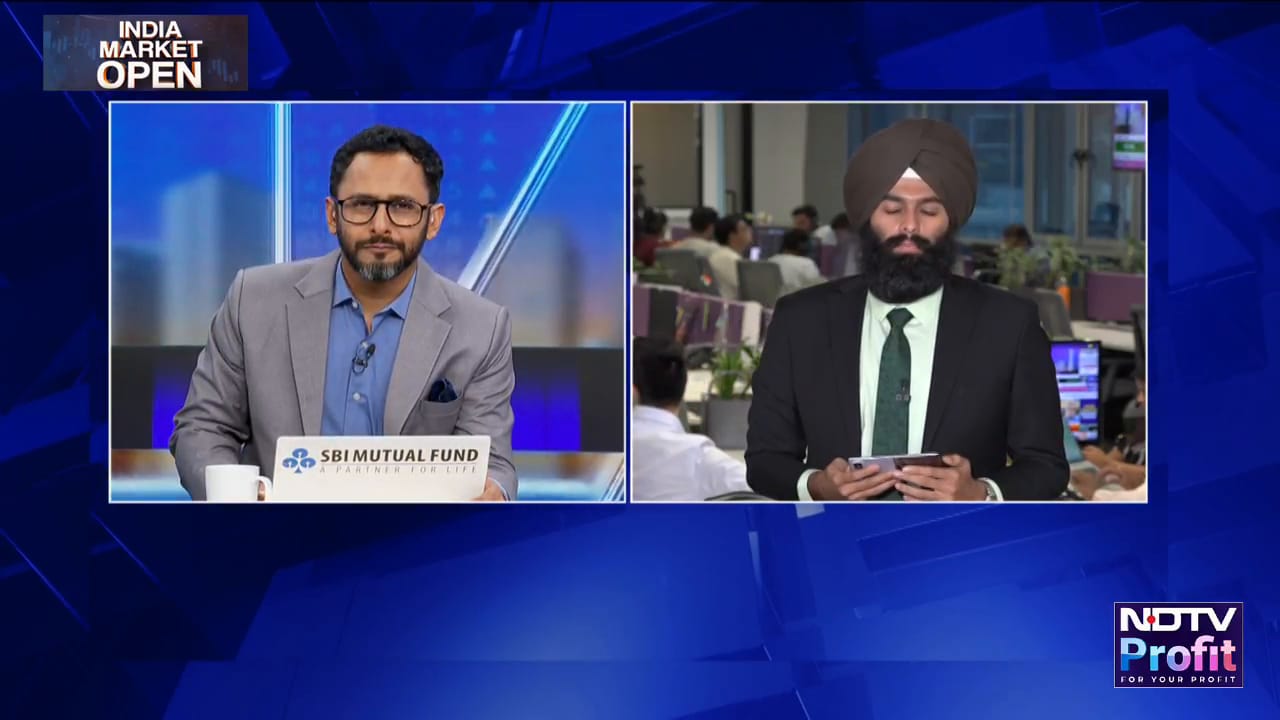
Manish Chokhani believes that there will be companies that will defy a slowing economy, and that's what investors should chase even during the coronavirus turmoil.
“You don't make money out of GDP growth, you make money out of earnings growth, and where people are gaining disproportionate market share. That story continues,” Chokhani, director at Enam Holdings Pvt. Ltd., told BloombergQuint in an interview.

-
 Indian Markets Turning Corner After Two Tough Years, Says Sandeep Tandon
-
 NDTV Profit Ignite 2026: Experts See Opportunity In Equities, Stay Bullish For Long-Term
-
 Buy Right, Sit Tight Does Not Work for Individual Stocks, Says Dinshaw Irani
-
 'Worst Is Behind': Quant MF Sees Market Bottom, Flags 'Extreme Euphoria' In Midcaps
-
 India's Mutual Fund Industry Could Become A $1 Trillion Opportunity, Say Fund Managers
-
 'Foreign Investors Are Baraatis': Raamdeo Agrawal's Take On LTCG Tax
-
 Stay Invested Through Market Cycles: Raamdeo Agrawal at NDTV Profit Ignite
-
 Ramesh Damani Remains Bullish On India For Next 20-30 Years, Sees Bargains Amid Market Weakness
-
 CAS Came After A Long Consultation Process: SEBI Chairman Tuhin Kanta Pandey AT NDTV PROFIT IGNITE
-
 Aim To Cut FPI Onboarding Time From Mth To Five Days: SEBI Chairman Tuhin Kanta Pandey AT NDTV PROFI
While the virus outbreak worldwide is creating simultaneous demand and supply shocks, impacting economies and driving markets lower, Chokhani said when the economic activity and markets recover, all the stuff that has gapped down will see similar upticks.
Also Read | Layoffs Are Rising In Tech, But These Skills Are Helping People Unlock Better Pay
Indian benchmarks have entered the bear market, falling more than 20 percent since January highs tracking the global selloff as Covid-19 disrupts trade and demand. That came even as India's GDP growth has fallen to its lowest in more than a decade. Foreign investors have pulled out the most from domestic stocks since the 2013 taper tantrum.
Right now, he said, algorithmic trading is dragging down prices and doing things “you can't quite comprehend”. “When a computer is selling against you, you can't factor in the bottom. Indian investors are not selling, but awaiting the upmove before investing the remaining 10-15 percent cash that they may be sitting on.”
“Like one can't call a top, no one can tell you the exact bottom,” Chokhani said. “However, it does feel and smell like panic and depression. The markets seem to be pricing in the worst.”
Chokhani said a lot of the pricing action is factoring in the second- and third-order demand impact due to the shutdowns. Certain businesses with a low profit share in the GDP and a low appetite for debt, the growth will slow down over the next few quarters.
“The real-world effect has not played out, and once the market can see that impact, will we start seeing the formation of the bottom,” he said. While Chokhani doesn't see that bottom yet, he believes it's time to start thinking about what to buy.
He doesn't expect the leaders of the past cycle to drive the gains again. Keeping that in mind, he has chalked out a four-point template on how to invest cash in the near term.
- Investors need to ask themselves if the company they are tracking will continue to be a market leader three years later. If they think it will, then valuations may revert to the mean. He sees banks among such categories of stocks and advised investors should consider where they can go from here.
- Some Indian companies will start benefiting from the shift in supply chains. They have the ability to take advantage of this shift and could be interesting to watch.
- If divestment plans prove successful, then some public sector stocks will offer wealth creation opportunities.
- Commodity players may regain valuations once the world's supply chains start normalising.
Watch | Navigating through uncertainty with Manish Chokhani
Essential Business Intelligence, Sharp Market Insights, Practical Personal Finance Advice, Daily Fuel, Gold and Silver Prices and Latest Stories — On NDTV Profit.