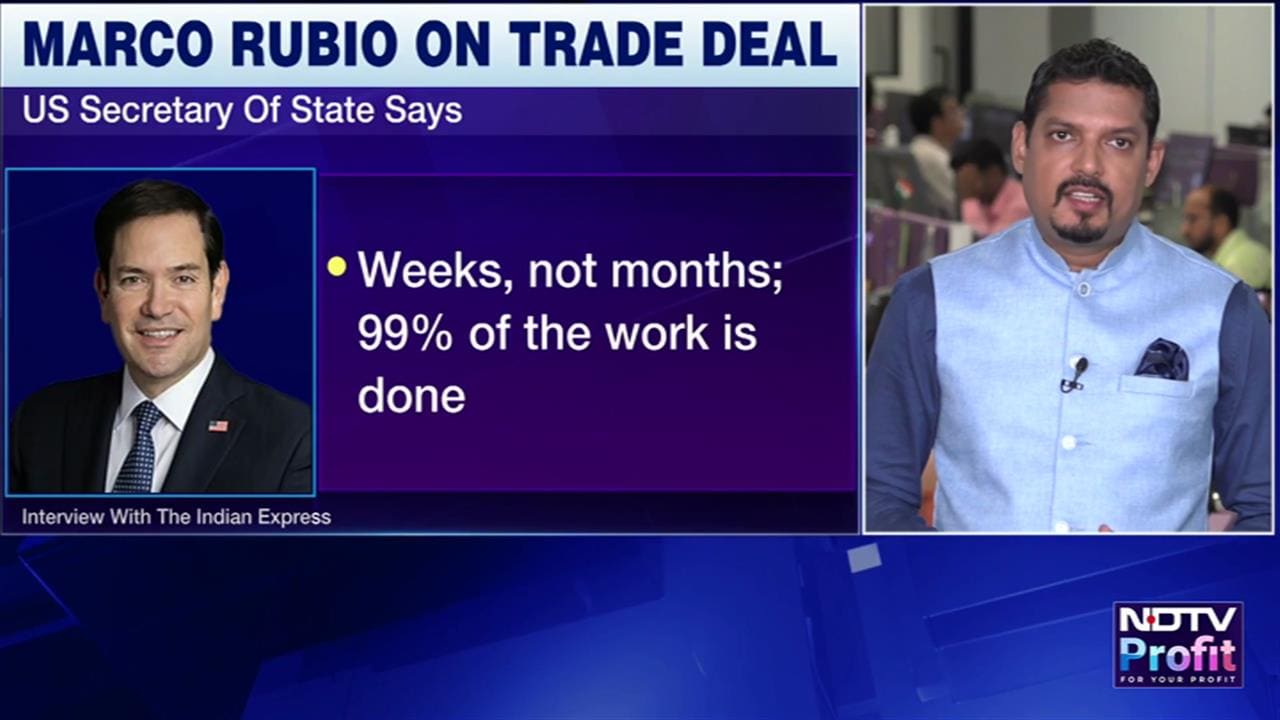
US-Iran War News Highlights: Trump Says Naval Blockade To Be Lifted Soon, Calls For Reopening Hormuz Immediately
On Friday, Trump announced that he will lift the naval blockade soon, while calling for an immediate re-opening of the Strait of Hormuz.

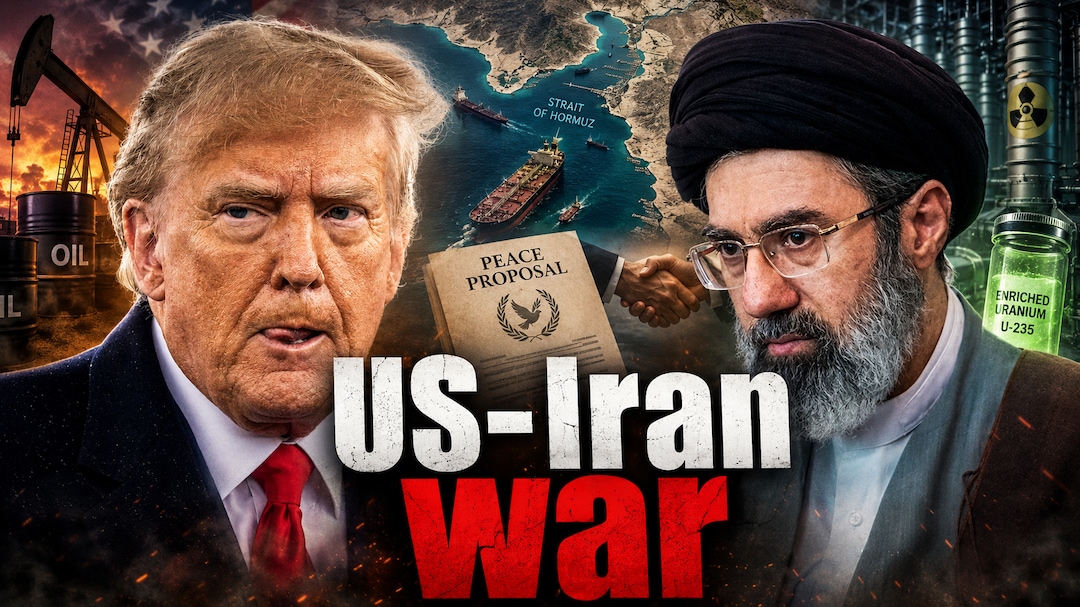
US and Iranian negotiators reached a tentative agreement on Thursday to extend the ceasefire in the three-month-old war by 60 days and start a new round of talks on Iran's nuclear programme, according to a US official familiar with the matter.
Among the first issues to be negotiated during the 60-day ceasefire is what will happen to Iran's highly-enriched uranium. Iran has not publicly committed to giving up the stockpile. It is believed to buried under a trio of nuclear sites that were badly damaged by US airstrikes last year.
On Friday, Trump announced that he will lift the naval blockade soon, while calling for an immediate re-opening of the Strait of Hormuz.
Iran War Live Updates: Trump Heads To Make 'Final Determination', Says Blockade To Be Lifted
Donald Trump said:
"Iran must agree that they will never have a Nuclear Weapon or Bomb. The Hormuz Strait must be immediately open, no tolls, for unrestricted shipping traffic, in both directions. All water mines (bombs), if any, will be terminated (we have removed, through detonation, numerous such mines with our great underwater mine sweepers. Iran will complete the immediate removal and/or detonation of any mines that are left, which will not be many!). Ships caught in the Strait due to our amazing and unprecedented Naval Blockade, which will now be lifted, may start the process of “heading home!” Say HELLO to your wives, husbands, parents, and families from me, your favorite President! The enriched material, sometimes referred to as “Nuclear Dust,” which is buried deep underground with virtually collapsed mountains, caused by our powerful B2 Bomber attack 11 months ago, sitting on top of it, will be unearthed by the United States (which, it is agreed, is the only Country, along with China, with the mechanical capability of doing so!), in close coordination and conjunction with the Islamic Republic of Iran, plus the International Atomic Energy Agency, and DESTROYED. No money will be exchanged, until further notice. Other items, of far less importance, have been agreed to. I will be meeting now, in the Situation Room, to make a final determination. Thank you for your attention to this matter!"
Iran War Live Updates: Western Reports On MoU 'Inaccurate', Says Iranian Media
Iran's semi-official Tasnim News Agency, citing a source close to the country's negotiating team, reported that the text of a potential memorandum of understanding (MOU) between Iran and the United States has changed in recent days and has not yet been finalised or confirmed.
The source emphasised that Western media reports claiming the agreement is complete are inaccurate, noting that Tehran has not yet notified the Pakistani mediator of a finalized text. Tehran intends to formally inform both the mediator and the public once a definitive agreement is reached.
Iran War Live Updates: Palestinians Condemn Gaza Attacks
Palestinian officials condemned Israel’s ongoing actions in Gaza as a “war of extermination, killing, and destruction,” saying the attacks violate international law and all ceasefire agreements. The Foreign Ministry urged mediating and guarantor states, led by the United States, to immediately pressure Israel to halt its crimes against Palestinian civilians.
(Source: Al Jazeera)
Iran War Live Updates: Middle East War Leads to 3.4% Fall in Air Passenger Demand in April
Geneva – The International Air Transport Association (IATA) released data for April 2026 global passenger demand:
- Total demand, measured in revenue passenger kilometers (RPK), was down -3.4% compared to April 2025. Excluding the Middle East, demand increased by 1.2%.
- Total capacity, measured in available seat kilometers (ASK), decreased -2.9% year-on-year. The load factor was 83.1% (-0.4 ppt compared to April 2025).
- International demand fell -5.3% compared to April 2025. Excluding Middle East, demand grew by 1.9%. Capacity was down -5.1% year-on-year, and the load factor was 83.9% (-0.2 ppt compared to April 2025).
- Domestic demand was flat compared to April 2025. Capacity increased 0.8% year-on-year. The load factor was 81.9% (-0.7 ppt compared to April 2025).
Iran War Live Updates: Iran Speeds Up Alternative Routes
Iranian authorities are accelerating efforts to build alternative trade corridors amid regional tensions and shipping disruptions affecting the Strait of Hormuz. The Iranian president ordered the expansion of commercial and transit routes to reduce reliance on vulnerable maritime chokepoints and improve regional connectivity. The push follows military escalation involving Iran, the US, and regional allies, with the Strait of Hormuz — handling nearly one-fifth of global oil trade — under intense geopolitical scrutiny.
IRAN PRESIDENT ORDERS CREATION OF ALTERNATIVE TRADE CORRIDORS
— First Squawk (@FirstSquawk) May 29, 2026
Iran War Live Updates: Markets Ignoring Inflation, War & Reality?
David Roche delivers a stark warning on the global economy, oil markets, and the growing disconnect between financial markets and economic reality.
Iran War Live Updates: India Growth To Hold At 6.9% In FY27 Despite Middle-East Conflict Risks
India's economy is expected to expand 6.9% in FY27 despite rising risks from the conflict in West Asia, with domestic demand and investment activity continuing to support growth, the Reserve Bank of India said in its annual report on Friday.
Iran War Live Updates: Israeli Forces Added To UN Blacklist For Sexual Violence In Conflict Zones
An annual United Nations report documenting sexual violence in conflicts worldwide has included Israeli forces for the first time since the review began more than 15 years ago for their treatment of Palestinian detainees. Israel denies the accusations.
The 35-page report -- shared by the Israeli mission to the UN late on Thursday ahead of its expected release on Friday -- blacklists 77 government and non-government parties in a dozen countries suspected of committing or being responsible for sexual violence in conflicts around the world. It says the number of cases rose sharply in 2025 from 2024.
(Source: AP)
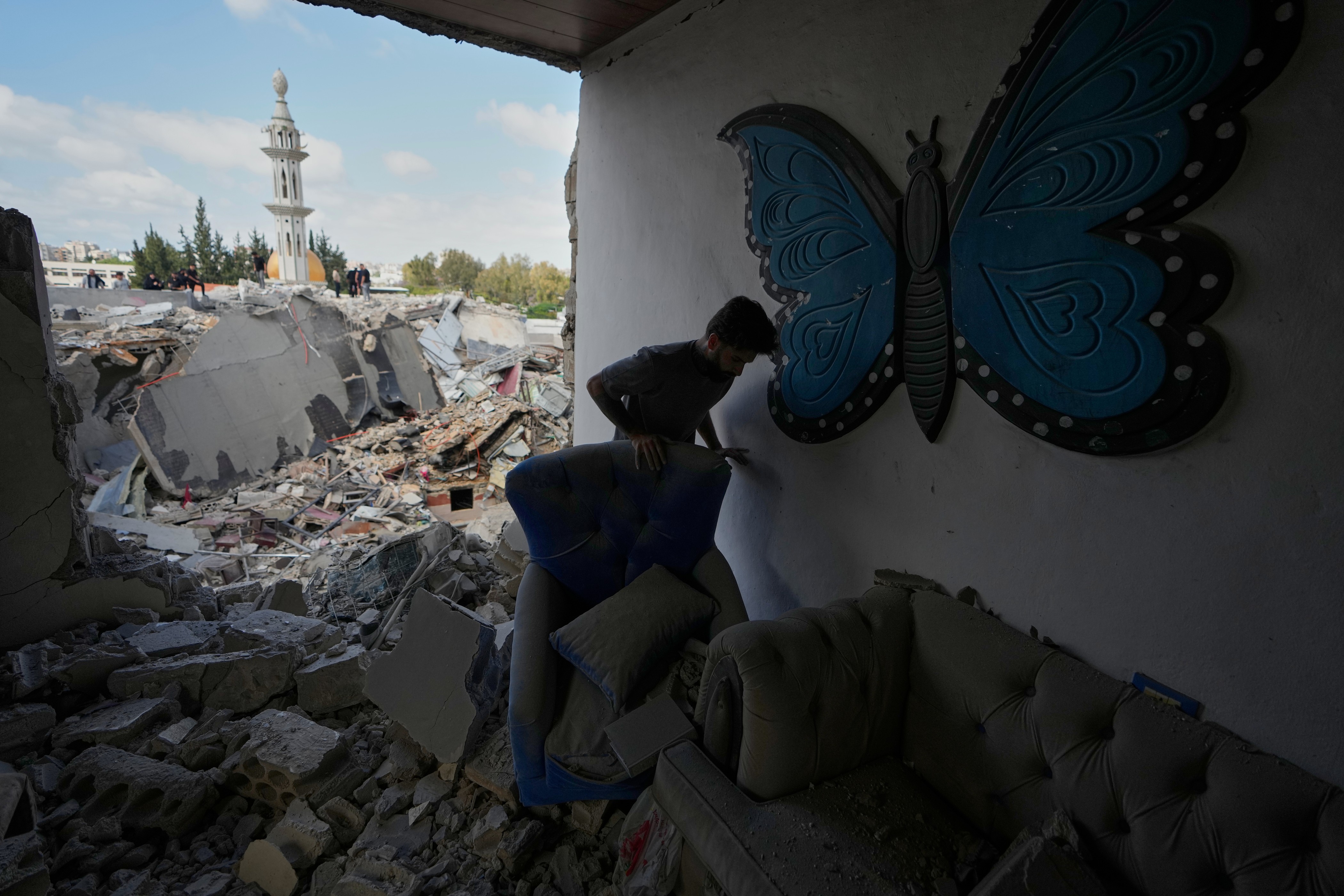
Iran War Live Updates: Photo Of House Destroyed In Lebanon
A man checks a house that was destroyed in an Israeli airstrike in Burj al-Shemali village near the southern port city of Tyre, Lebanon.
Iran War News Update
Photo Credit: (Photo: PTI)
Israel's air force carried out an airstrike on a southern suburb of the capital, Beirut, Thursday afternoon, the Israeli military said, further straining a fragile ceasefire a day ahead of crucial negotiations in Washington.
The strike hit an apartment building but it was not immediately clear who might have been targeted. Videos from the suburb of Choueifat, close to Beirut's international airport, showed white smoke billowing from a residential neighbourhood.
Iran War Live Updates: What's In The US-Iran Deal Final Sign-Off?
A tentative 60-day memorandum of understanding (MoU) between the United States and Iran has stalled at the finish line, awaiting final sign-off from President Donald Trump and senior leadership in Tehran, according to an Axios report.
Iran War Live Updates: Gold Holds Above $4,500
Gold held a gain after reports that the US and Iran had reached a tentative deal to extend a ceasefire and work toward an agreement to end the Middle East war eased inflation concerns.
Bullion traded near $4,500 an ounce, after closing up 1% on Thursday despite touching a two-month low earlier in the session when airstrikes risked derailing the peace talks. The US and Iran have now reached a tentative agreement to extend a ceasefire by 60 days and launch further talks on Tehran’s nuclear program, a person with knowledge of the matter said.
Iran War Live Updates: Oil Heads For Worst Month Since 2020
Oil prices extended losses on Friday, with Brent crude heading for its steepest monthly decline since 2020, as signs of progress in US-Iran negotiations fuelled hopes that disruptions to global energy supplies could eventually ease.
Iran War Live Updates: Serious Economic Problem If War Doesn't End, Says David Roche
David Roche, Strategist at Quantum Strategy To NDTV Profit
- Expect a serious economic problem if war does not stop.
- Might run out of oil; in most nations by summer end.
- Oil prices are at nearly $107/Bbl in physical market.
- Iranians have to reduce control of the Gulf
Iran War Live Updates: US Says No Deal Without THESE Three Things
REPORTER: Is there a tentative 60-day ceasefire extension and a continuation of nuclear talks?
BESSENT: The president very clearly stated — open the Strait, highly enriched uranium, no nuclear program.
REPORTER: Are those 3 things in the deal?
BESSENT: If there can be NO DEAL without those, WHY would there be a deal without those?
🚨 REPORTER: Is there a tentative 60-day ceasefire extension and a continuation of nuclear talks?
— Eric Daugherty (@EricLDaugh) May 28, 2026
SCOTT BESSENT: The president very clearly stated — open the Strait, highly enriched uranium, no nuclear program.
REPORTER: Are those 3 things in the deal?
BESSENT: If there can be… pic.twitter.com/Q56CcZgGMM
Iran War Live Updates: Trump Demands Iran To Give Up On Uranium Stockpile, Says Bessent
Scott Bessent, United States Secretary of the Treasury said, "Donald Trump has made it very clear. Iran has to turn over their highly enriched uranium. They can not pursue a nuclear weapon, and the Strait of Hormuz has to have free transit. He’s not going to take a bad deal. He's going to make a great deal for the American people."
.@SecScottBessent: @POTUS has made it very clear. Iran has to turn over their highly enriched uranium. They can not pursue a nuclear weapon, and the Strait of Hormuz has to have free transit. He’s not going to take a bad deal. He's going to make a great deal for the American… pic.twitter.com/vYihwFfxfq
— Rapid Response 47 (@RapidResponse47) May 28, 2026
Iran War Live Updates: Kuwait Reports An attack
Kuwait announced that its air-defence systems intercepted incoming missiles and drones on Thursday, without detailing what had been targeted. Iran said it had retaliated for strikes earlier in the week by firing on a US base in a Gulf state it did not name.
The Kuwaiti Foreign Ministry condemned Iran for what it called "blatant aggression", and US Central Command called the attack on one of America's top allies in the Persian Gulf an "egregious ceasefire violation". Kuwait repeatedly came under fire from Iran and Iranian-backed Shiite militias in Iraq before the April ceasefire began.
Iran War Live Updates: Proposal Addresses Strait of Hormuz
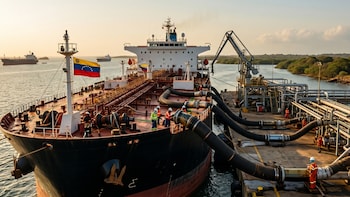
A memorandum states Iran must not impose tolls on the Strait of Hormuz and must remove all mines from the waterway within 30 days, per an official speaking anonymously. During the war, Iran effectively closed the strait, which handles about a fifth of global traded oil and gas, driving oil prices up. US Treasury Secretary Scott Bessent said oil costs could drop quickly once a deal is finalized. Iran now allows roughly two dozen commercial vessels daily, down from 100 pre-war, and has charged tolls on some ships after setting up a gatekeeper agency this month, prompting new US sanctions.
Under the tentative deal, the US would gradually lift its naval blockade on Iranian ports and ease sanctions to let Iran sell more oil. Despite the potential deal, the US Treasury just imposed more sanctions on the Iranian military's oil sales arm.
(Source: AP)
Iran War Live Updates: Trump-Tehran's No Comment On 60 Days Ceasefire Extention
Not just US President Donald Trump, even Iran did not immediately confirm any deal. US and Iranian negotiators reached a tentative agreement to extend the ceasefire in the three-month-old war by 60 days and start a new round of talks on Iran's nuclear programme.
Essential Business Intelligence, Sharp Market Insights, Practical Personal Finance Advice, Daily Fuel, Gold and Silver Prices and Latest Stories — On NDTV Profit.