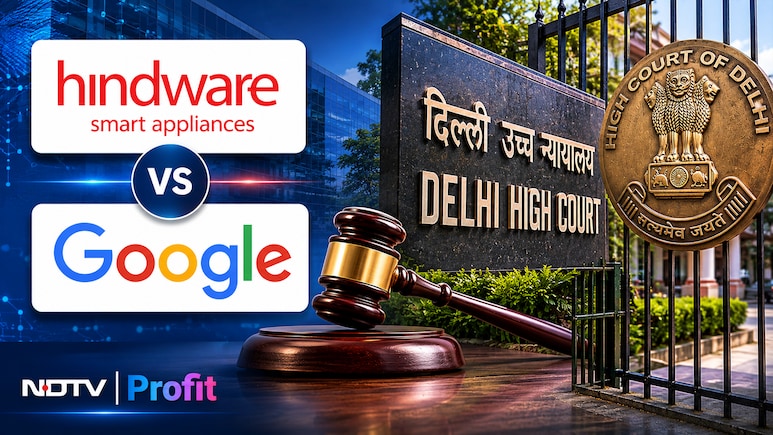
- Delhi High Court ruled Google cannot allow bidding on trademarked keyword HINDWARE in ads
- Hindware owner HSIL Ltd claimed competitors used its trademark to divert potential customers
- Court rejected Google's intermediary defense, citing its active role in selling keywords
A Delhi High Court ruling against Google in a trademark dispute involving sanitaryware brand Hindware could significantly alter how online advertising works in India, especially for brands that rely on competitor keyword targeting to attract customers.
The court held that Google cannot allow rival companies to bid on the trademarked keyword "HINDWARE" through its advertising platform, marking one of the strongest judicial pushes yet against the practice of trademark bidding in India's digital ad ecosystem.
ALSO READ | Bank Fraud Cases Fell 72% Since FY24. But Why Did The Amount Involved Quadruple?
Also Read | Layoffs Are Rising In Tech, But These Skills Are Helping People Unlock Better Pay
The judgment stems from a suit filed by Hindware owner HSIL Ltd, which argued that competitors were using the company's registered trademark as a Google Ads keyword to divert users searching specifically for Hindware products. The court agreed, ruling that the use of a registered trademark as a keyword for triggering rival advertisements amounted to trademark infringement.
Importantly, the court also rejected Google's defence that it was merely an intermediary. The judgment said Google plays an active commercial role by selling keywords, running auctions and monetising traffic generated through trademark-based searches.
The ruling could have far-reaching implications across India's fast-growing digital economy. Competitor keyword bidding is a widely used strategy across sectors including ecommerce, fintech, food delivery, travel and direct-to-consumer brands. Companies routinely bid on rival brand names to appear higher in sponsored search results and attract potential customers.
"Competitor keyword bidding on your brand name is now legally actionable in India," said Paytm founder Vijay Shekhar Sharma on X.
Legal experts say the judgment strengthens the position of trademark owners and may trigger a wave of disputes involving online advertising practices. It could also force advertisers and agencies to rethink performance marketing strategies that depend on competitor targeting.
For Google, the ruling raises questions over how its ad business will operate in India if courts increasingly restrict the use of trademarked keywords. Brands may now push more aggressively to block rivals from appearing alongside searches linked to their names.
Essential Business Intelligence, Sharp Market Insights, Practical Personal Finance Advice, Daily Fuel, Gold and Silver Prices and Latest Stories — On NDTV Profit.