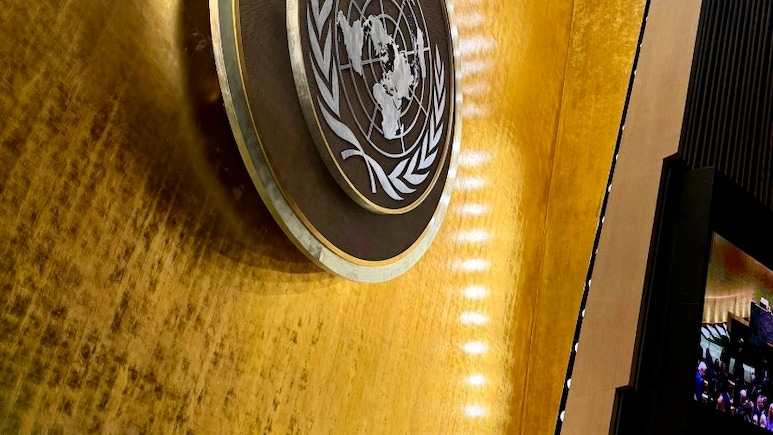
International climate talks collapsed on Sunday without any major agreement after delegations including the European Union rejected a deal they saw as pandering to the fossil fuel industry.
The failure of the United Nations-convened COP31 negotiations in Antalya, Turkey, followed disputes over the shift away from polluting fuels and the role of carbon capture technology, a climate solution favored by oil and gas producers, but which has so far done little to pare planet-warming pollution. The two-week event overran by two days as parties sought to eke out a deal, becoming the longest-ever session of the annual conference.
ALSO READ: Earth's Heat Imbalance Hits Record High: How Supersized El Nino Risks Global Climate Through 2027
Also Read | Layoffs Are Rising In Tech, But These Skills Are Helping People Unlock Better Pay
Fights over the financial flows to developing economies and the role of flagship scientific reports also stymied delegates who huddled through the night on both Friday and Saturday trying to find some narrow path forward.
“It is unconscionable that we would have a climate pact that makes no reference to fossil fuels — and no reference to transition away from fossil fuel either,” Ireland's climate minister Darragh O'Brien told the talks Sunday, representing the EU.
Norway, Vanuatu, Panama and EU nations refused to endorse the package, as countries one by one registered their complaints with the jettisoned proposal and the process that produced it. That delivered a fatal blow to negotiations that had been encouraged to produce a more decisive global response to escalating climate threats.
“The moment required bold ambition, and we have been working tirelessly to try to build consensus,” said UK Energy Secretary Miatta Fahnbulleh. “It is immensely disappointing we have been unable to do so.”
Wildfires, extreme heat and floods have contributed to thousands of deaths this year, while recent UN reports have for the first time acknowledged that the most stringent target of the 2015 Paris Agreement — a commitment to limit the increase in global temperatures to 1.5C — is all but out of reach.
“Parties were right to reject this text. It failed the people it was meant to protect,” said Harjeet Singh, a veteran campaigner and founding director of the Satat Sampada Climate Foundation, a nonprofit. “Rich countries refused to put money on the table to help communities prepare for and recover from climate disasters, and handed polluters a free pass instead.”
ALSO READ: 2026 Could Be The Hottest Year Yet. Here's Why Scientists Are Worried About 2027
There's no obligation the UN summits end in a sweeping agreement. The breakdown of past UN climate summits has helped pave the way for major breakthroughs in subsequent conferences, with frustration over the failures helping galvanize the tough diplomacy needed to forge consensus.
For instance, though divisions between developed and developing nations prevented the adoption of a sweeping accord at the 2009 talks in Copenhagen, the outcome still laid the foundation for key elements of the Paris Agreement six years later.
(This story has not been edited by NDTV staff and is auto-generated from a syndicated feed.)
Essential Business Intelligence, Sharp Market Insights, Practical Personal Finance Advice, Daily Fuel, Gold and Silver Prices, Watch Business News Live and Latest Stories — On NDTV Profit.