The world could be heading for its hottest year on record in 2026, but scientists are already warning that 2027 could bring even higher temperatures as an unusually powerful El Niño adds to the effects of climate change.
The warning comes as world leaders and climate negotiators gather in Antalya, Turkey, for the 31st United Nations Climate Change Conference (COP31), amid growing concerns over global warming and countries' preparedness for increasingly extreme weather.
Berkeley Earth, an independent US research group, is 95% confident that 2026 will surpass the previous temperature record set in 2024, despite two months remaining in the year, BBC News reported.
Also Read | Layoffs Are Rising In Tech, But These Skills Are Helping People Unlock Better Pay
ALSO READ | El Nino Threatens Over 450,000 Lives In Next Six Months, Nearly 16,000 In India At Risk: Study
The World Meteorological Organisation (WMO), in its latest climate assessment released on Monday, offered a more cautious forecast, predicting that 2026 would rank among the four warmest years since records began. However, it warned that an unusually powerful El Niño could push temperatures higher in 2027.
WMO Secretary-General Celeste Saulo described the anticipated intensity of the phenomenon as being "off the charts".
El Niño is a naturally occurring climate pattern characterised by warmer-than-usual sea surface temperatures in parts of the central and eastern Pacific Ocean. It affects ocean-atmosphere circulation and can raise global average temperatures by shifting heat from the oceans into the atmosphere.
Around 90% of the excess heat trapped by greenhouse gases has been absorbed by the oceans, according to the BBC. With ocean temperatures already at record levels, the developing El Niño could add to the warming driven by human activity.
The primary driver of rising global temperatures remains the increasing concentration of greenhouse gases, particularly carbon dioxide, in the atmosphere. This is largely caused by the burning of fossil fuels.
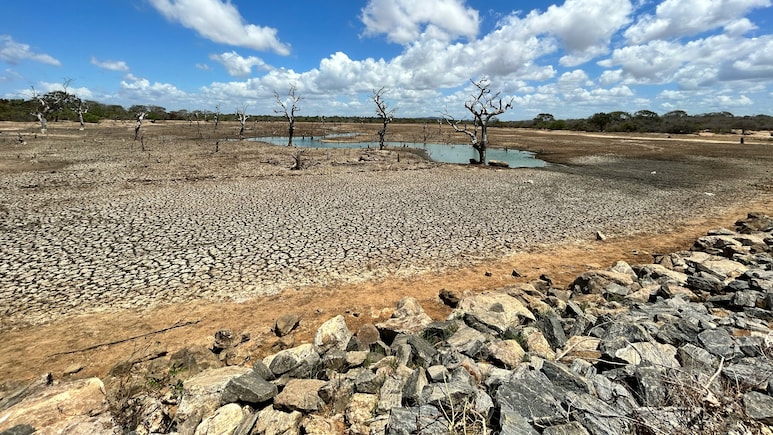
The consequences of rising temperatures are becoming increasingly visible, with wildfires, heatwaves, droughts and other extreme weather events placing growing pressure on communities and governments. Berkeley Earth's Dr Robert Rohde said the recent run of record-breaking temperatures was consistent with the progression of global warming.
He cautioned that the world could face "much larger and much more dramatic changes down the line".
The warning also comes as climate negotiations face familiar divisions over fossil fuels, renewable energy and financial support for developing nations.
ALSO READ | Delhi Chokes On Toxic Air After Diwali, AQI Hits Hazardous Levels; Visibility Drops
The UN estimates that the world remains on track for around 2.8 degrees Celsius of warming above pre-industrial levels by the end of the century under current policies, significantly exceeding the Paris Agreement's goal of limiting global warming to 1.5 degrees Celsius.
At COP31, countries are expected to discuss electrification, clean energy expansion and climate financing. However, disagreements over the role of natural gas and the pace of phasing out fossil fuels could complicate negotiations.
As the planet continues to warm, the challenge for governments is no longer limited to reducing emissions. They must also prepare for the increasingly severe climate impacts already being felt around the world.
Essential Business Intelligence, Sharp Market Insights, Practical Personal Finance Advice, Daily Fuel, Gold and Silver Prices and Latest Stories — On NDTV Profit.