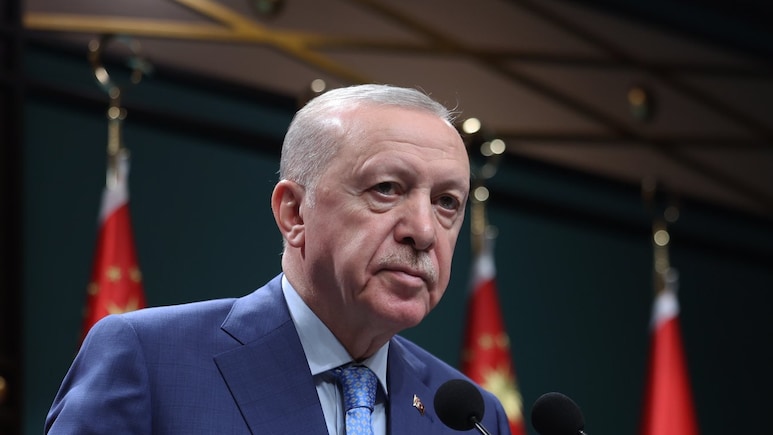
Turkey is facing a fresh wave of political and economic instability after a court removed opposition leader Ozgur Ozel as head of the Republican People's Party (CHP) and reinstated former chief Kemal Kilicdaroglu, triggering sharp market reactions and renewed concerns over democratic institutions, according to multiple media reports.
The CHP, Turkey's oldest political party, has emerged as the main challenger to President Recep Tayyip Erdogan after securing major victories in the 2024 local elections. The latest ruling is widely being viewed as a setback for the opposition and a development that could strengthen Erdogan's political position ahead of the 2028 elections.
The opposition condemned the court decision as an attempted coup, while the government rejected allegations of political interference, insisting the ruling reflected the independence of the judiciary.
Also Read | Layoffs Are Rising In Tech, But These Skills Are Helping People Unlock Better Pay
According to media reports, markets reacted swiftly to the political uncertainty. Turkey's benchmark Borsa Istanbul index plunged more than 6%, triggering a market-wide circuit breaker. Government bonds weakened, while the Turkish lira slipped to around 45.74 against the US dollar.
To stabilise the currency and contain volatility, Turkey's central bank reportedly sold nearly $8 billion in foreign exchange markets through state lenders, according to traders cited by Reuters and other media reports.
ALSO READ: Angry Mob Attacks Ebola Hospital In Congo Amid Mistrust Over Virus And Burial Dispute
The intervention came amid fears that rising political tensions could derail Turkey's fragile economic recovery.
Analysts warned that rising political risks come at an unhelpful time for the lira and said the Central Bank of the Republic of Turkey (CBRT) may be forced to raise its benchmark one-week repo rate to 40% from the current 37% at its June 11 monetary policy meeting.
The turmoil also extended beyond financial markets. Authorities revoked the operating licence of Istanbul Bilgi University after the institution was placed under state control during a criminal investigation linked to its former owner, Can Holding. The university, which has around 22,000 students, will reportedly be overseen by Mimar Sinan University of Fine Arts.
At the same time, Turkey's parliament passed legislation aimed at reviving investor sentiment, including cutting corporate tax for manufacturing companies to 12.5% from 25% and extending tax incentives for foreign investors and returning overseas assets.
The crisis has also revived scrutiny over Turkey's political climate after Ekrem Imamoglu, a leading opposition figure and potential presidential contender, was jailed earlier this year on corruption charges.
Reacting to the latest developments, Ozel said: “It's a dark day for democracy.” He added, “The damage they've done to the country within a half hour is $10 billion.”
Essential Business Intelligence, Sharp Market Insights, Practical Personal Finance Advice, Daily Fuel, Gold and Silver Prices and Latest Stories — On NDTV Profit.