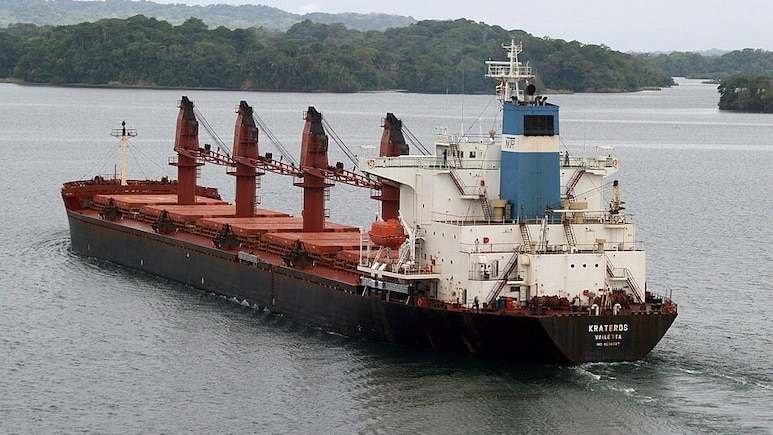
A tanker was struck by multiple projectiles in the Gulf waters north of Qatar, with casualties reported, according to the United Kingdom Maritime Trade Operations (UKMTO), as tensions around commercial shipping in the region remain elevated.
The incident took place about 51 nautical miles (94 km) from Madinat al-Shamal, UKMTO said, without immediately providing further details about the nature of the attack or the number of casualties.
BBC reported that maritime intelligence firm Vanguard identified the vessel as the Antigua and Barbuda-flagged oil and chemical tanker Acers. The tanker was reportedly carrying cargo on Saturday and was sailing towards the Strait of Hormuz, the strategically vital waterway connecting the Gulf with the Gulf of Oman.
Also Read | Layoffs Are Rising In Tech, But These Skills Are Helping People Unlock Better Pay
ALSO READ: Hormuz Closed? US Rejects Iran's Claim, Says 20 Million Barrels Of Crude Moving
According to BBC, the latest incident marks another setback for maritime security in the region, where commercial vessels have faced repeated attacks since the US and Israel's war with Iran began in February.
At least 24 seafarers have been killed in 93 confirmed incidents, according to the International Maritime Organization (IMO). The UN maritime body said the most recent attack involving casualties took place on September 9, when two sailors were killed in an attack on the Panama-flagged tanker El Gaia in the Strait of Hormuz, north of Oman's Musandam peninsula.
The latest strike also appears significant from a geographical standpoint. Martin Kelly, head of advisory at EOS Risk Group, said it was the first reported attack on a ship this far west of the Strait of Hormuz since the September 9 incident.
Vanguard separately reported a fire aboard another tanker in the Gulf of Oman on Thursday, around 40 km east of Fujairah in the United Arab Emirates. The vessel was believed to be the Marshall Islands-flagged Dhalkut, although the cause of the fire remains unclear. UKMTO has not reported an incident in that area.
The Strait of Hormuz, through which around one-fifth of global oil and gas shipments typically pass, has remained at the centre of the conflict's impact on energy markets and global trade.
The waterway was effectively closed following the outbreak of the Iran war, as Iranian missile and drone attacks targeted commercial shipping while the US imposed a naval blockade on Iranian ports.
ALSO READ: Hormuz Flash: 12 Tanker Attacks Reported In A Week, Highest Since Iran War Began
A preliminary US-Iran agreement in June had raised hopes of an end to the conflict and the reopening of the strait. However, the arrangement collapsed within weeks after attacks on shipping resumed and Washington reinstated its blockade.
Iran has maintained that it will retain some degree of control over the waterway and has targeted vessels using a southern route through Omani waters, which avoids the route preferred through Iranian waters. Meanwhile, the US military has been providing protection to tankers carrying oil from Gulf Arab states through the Strait of Hormuz.
Despite the disruptions, crude exports through the waterway have averaged around 12 million barrels per day over the past two weeks, roughly 80% of pre-war levels, according to analysts at shipping data firm Kpler.
Essential Business Intelligence, Sharp Market Insights, Practical Personal Finance Advice, Daily Fuel, Gold and Silver Prices and Latest Stories — On NDTV Profit.