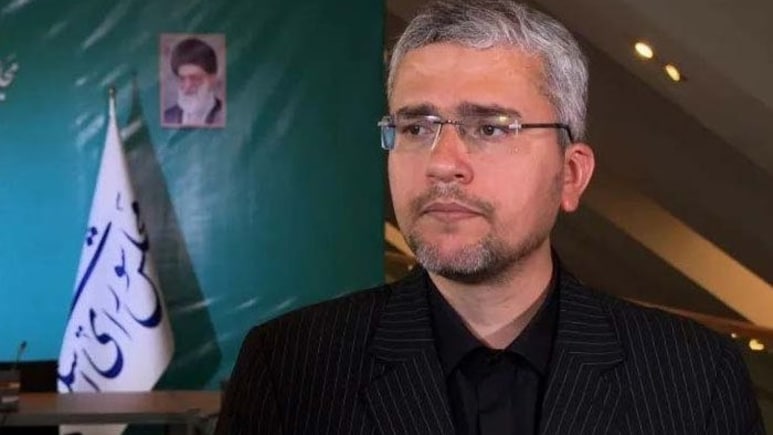
Iranian parliamentarian Ebrahim Rezaei has dismissed the newly signed Saudi Arabia-Turkiye-Pakistan defence pact as a mere paper agreement, warning Riyadh that the alliance will not deliver the security it is seeking.
Rezaei, a member of Iran's Majlis National Security and Foreign Policy Commission, made the remarks on X within hours of Saudi Arabia, Türkiye and Pakistan signing the Mecca Joint Defence Agreement.
"Saudis must know that a paper agreement with Turkey and Pakistan will not bring them security, just as years of one-sided nursing to the Americans did not bring them security. Reform your policies so that you do not need to beg for security from others," Rezaei wrote on X.
Also Read | Layoffs Are Rising In Tech, But These Skills Are Helping People Unlock Better Pay
سعودیها باید بدانند که توافق کاغذی با ترکیه و پاکستان برای آنها امنیتآور نیست، همانطور که سالها شیردهی یکطرفه به آمریکاییها برایشان امنیت نیاورد. سیاستهایتان را اصلاح کنید تا نیاز نباشد از دیگران #گدایی_امنیت کنید.
— ابراهیم رضایی (@EbrahimRezaei14) August 7, 2026
ALSO READ: Saudi, Turkey, Pakistan Join Hands Amid Gulf Turmoil: All About The New Sunni Muslims Front
His comments came on the same day Saudi Crown Prince Mohammed bin Salman, Turkish President Recep Tayyip Erdogan and Pakistani Prime Minister Shehbaz Sharif signed the agreement at Al-Safa Palace in Mecca.
The agreement contains a collective-defence provision modelled on NATO's Article 5. It states that an armed attack against any one of the three countries will be regarded as an attack against all three.
Saudi, Turkish and Pakistani officials have described the pact as defensive in nature and said it is not aimed at any particular country. The agreement is also open to other regional states, according to officials.
The trilateral arrangement builds on the Strategic Mutual Defence Agreement signed by Saudi Arabia and Pakistan in September 2025. Negotiations on expanding the framework to include Turkey had been underway for nearly a year and gained momentum following the escalation in the region after US-Israeli strikes on Iran.
Rezaei's comments reflect a recurring theme in Iranian hardline criticism of Gulf security arrangements: that regional states should address their own policies rather than rely on external powers or military alliances for protection.
ALSO READ: 'Massive Attack Coming...They Want To Negotiate': Iran Mocks Trump, Demands US Honour Commitments
However, Rezaei's remarks carry parliamentary rather than executive weight. He is not a member of Iran's cabinet or the Supreme National Security Council.
His profile as spokesman of the National Security and Foreign Policy Commission was removed from his public biography in early August 2026, following criticism linked to Iran's leadership and talks involving the US.
In April 2026, Rezaei had questioned Pakistan's suitability as a mediator in US-Iran negotiations. He argued that Islamabad was too closely aligned with Washington and US President Donald Trump's interests, while still describing Pakistan as "a good friend and neighbour.
Essential Business Intelligence, Sharp Market Insights, Practical Personal Finance Advice, Daily Fuel, Gold and Silver Prices and Latest Stories — On NDTV Profit.